


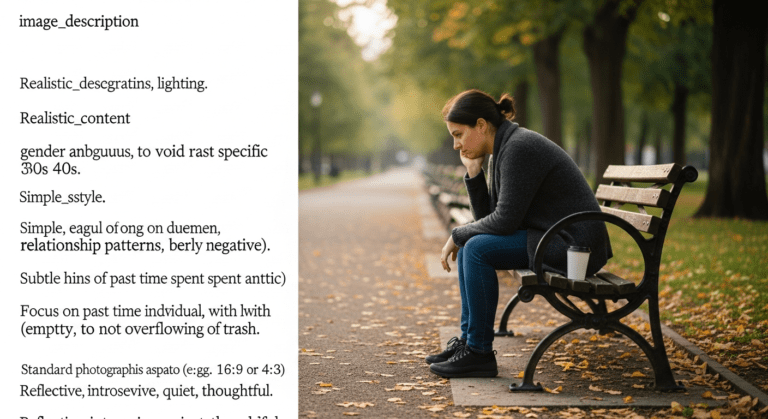

Groundhogging in Dating: Breaking the Cycle of Repeating the Same Failed Relationships
Have you ever felt stuck in a pattern where each relationship seems to follow the same destructive cycle? If so, you’re likely experiencing groundhogging in dating. This frustrating behavior involves repeatedly attracting and dating similar types of partners—be it narcissists, emotionally unavailable, or avoidant individuals—despite knowing that these patterns lead to disappointment. Understanding and addressing groundhogging can be the key to transforming your love life and building genuine, lasting connections.
What Is Groundhogging in Relationships?
Groundhogging in dating refers to the pattern where someone unconsciously repeats the same relationship mistakes, often with partners who share negative traits. Just like the movie *Groundhog Day*, where Bill Murray relives the same day over and over, daters caught in this cycle find themselves facing the same heartbreak and frustrations, year after year.
This pattern often stems from underlying emotional issues such as unresolved trauma, fear of vulnerability, or deep-seated attachment styles. While initial chemistry might seem promising, these relationships tend to turn sour, involving love bombing, withdrawal, control, or stagnation, leaving the person feeling stuck and hopeless.
Although no single type of person dominates this cycle, examples like Punxsutawney Phil’s shadow ritual better illustrate how the idea of repeating patterns is embedded in our subconscious, guiding us toward familiar yet unfulfilling relationship choices. Experts such as dating coach Charly Lester warn that sticking rigidly to a “type” based on superficial traits or childhood attachment styles often prevents meaningful progress.
Key Signs You Are Groundhogging
Recognizing the patterns is the first step toward breaking free. Here are common red flags that suggest you’re stuck in a groundhogging cycle:
- Similar relationship progression: Each recent relationship begins with excitement but ends abruptly or gradually fades away.
- Reminders of past partners: Your new partners resemble previous ones in negative traits, habits, or looks.
- Rigid “type” preferences: You are either too strict about a specific type or too open, attracting the same kind of unhealthy partners.
- Impulsive commitments: You rush into relationships or ignore red flags, convincing yourself “this one’s different.”
- Disappointing outcomes: Despite efforts, relationships tend to repeat prior mistakes, often rooted in unresolved trauma or fear of vulnerability.
Understanding these signs helps you become aware of the subconscious patterns that keep you circling the same relationship pitfalls.
Why Do People Groundhog in Dating?
Several psychological factors contribute to groundhogging:
- Unresolved Trauma: Past heartbreaks or childhood wounds unconsciously influence partner choices.
- Attachment Style: Anxious or avoidant attachment styles lead to repetitive dynamics that feel familiar, even if harmful.
- Fear of Vulnerability: Avoiding emotional closeness to protect oneself from rejection consolidates old patterns.
- Low Self-esteem: A belief that you can’t do better can result in settling for familiar, unfulfilling relationships.
- Confirmation Bias: Attracting partners who reinforce negative beliefs about yourself or relationships.
Breaking groundhogging involves identifying these triggers, understanding their roots, and actively working to change your approach to dating.
How to Break Free from Groundhogging in Dating
Escaping the cycle requires a conscious effort and strategic changes. Here are practical steps:
1. Reflect on Your Relationship Patterns
Begin by journaling or analyzing past relationships. Look for commonalities in how they start, progress, and end.
Ask yourself:
- What traits did my previous partners share?
- What red flags did I ignore?
- How did I contribute to the pattern?
This self-awareness reveals triggers and helps you understand your role in the cycle. Check out this guide on dealing with breakup patterns for further insights.
2. Diversify Your Dating Approach
Instead of sticking rigidly to a “type,” actively challenge your preferences. Swipe outside your usual preferences or try blind dating to discover new qualities in potential partners.
When you expand your dating pool, you open yourself to different experiences that may break old patterns.
3. Work on Self-care, Boundaries, and Vulnerability
Prioritize your mental health through self-care routines, setting healthy boundaries, and practicing vulnerability gradually.
Cultivating self-love boosts confidence and reduces the need for validation from unhealthy partners.
4. Explore Personality Typing and Self-Development
Understanding your Myers-Briggs or Enneagram type can reveal underlying fears and tendencies. Use these insights to make more conscious choices.
Consider consulting a therapist if needed to address deeper issues affecting your dating patterns.
5. Avoid Common Pitfalls
Guard against over-criticism, rushing commitments, or falling back into old habits when things feel uncomfortable. Practice patience and self-compassion during this process.
Tools and Resources to Support Your Breakthrough
Several resources can aid your journey:
- Self-improvement and financial independence tips
- Understanding what women appreciate
- Dating advice for different relationship contexts
FAQs About Groundhogging in Dating
1. How do I know if I am groundhogging?
If you notice repeating patterns in your relationships—similar partners, similar arguments, predictable endings—you may be groundhogging.
2. Can groundhogging be caused by childhood trauma?
Yes. Unresolved childhood trauma or attachment issues often contribute to unhealthy relationship patterns. Addressing these deeper issues with therapy can help break the cycle.
3. Is it possible to stop groundhogging without therapy?
While therapy accelerates progress, self-awareness, reflection, and deliberate behavioral changes—like expanding your dating preferences and working on boundaries—can help you break free.
4. How long does it take to break the groundhogging cycle?
The timeline varies per individual. Consistent effort, self-reflection, and possibly professional support can help speed up the process—typically several months to a year.
Conclusion: Break Free and Build the Love You Deserve
Groundhogging in dating is a common yet fixable pattern. Recognizing your triggers, challenging your preferences, and working on personal growth empowers you to attract healthier, more fulfilling relationships. Remember, change requires patience and self-compassion, but the rewards—a love life that feels genuine and sustainable—are worth the effort.
Ready to stop reliving the same dating mistakes? Start by reflecting today and making small, intentional changes. Your future self—and heart—will thank you.




0 Comments