


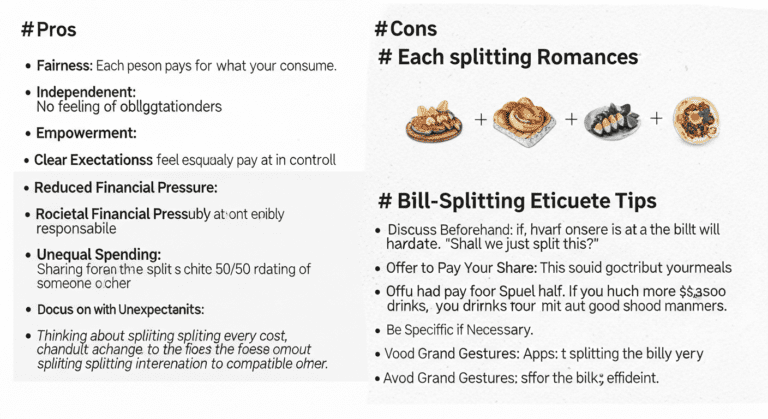

Should You Go Dutch on a Date? The Pros, Cons, and Etiquette Rules
Deciding whether to go Dutch on a date is one of the most common yet tricky dating dilemmas today. Should the man always pay? Or is splitting the bill the fair, modern approach? This question sparks heated debates on chivalry, equality, and what constitutes good dating etiquette. If you’re navigating this minefield, understanding the pros and cons can help you approach dates with confidence and clarity.
What Does “Going Dutch” Mean?
Going Dutch refers to each person paying for their own share of the bill during a date. Common in many European countries, it emphasizes equal responsibility and independence. However, in traditional cultures like the U.S. or parts of Asia, the man often pays as a gesture of romance and investment.
The Pros and Cons of Going Dutch on a First Date
Pros of Going Dutch
- Promotes equality: It signals respect and independence for both parties.
- Reduces stigma: Avoids assumptions about gender roles or financial status.
- Encourages honesty: Open discussion about finances can set expectations early.
- Prevents awkwardness: Ensures neither party feels obligated or burdened.
Cons of Going Dutch
- May seem impersonal: Some view splitting as lacking romantic gesture.
- Potential for misunderstandings: Could suggest lack of interest or stinginess.
- Different cultural expectations: In some cultures, paying is a sign of respect or commitment.
- Missed opportunity to impress: The traditional paying gesture can help build attraction.
Who Pays on a Date? Etiquette Considerations
Traditional Views
Historically, men paid on dates as a sign of chivalry. This norm still persists in many contexts, especially during first dates. However, this can lead to mismatched expectations if the woman prefers splitting.
Modern Perspectives
Today, many advocate for equal footing. If the bill arrives, offering to split—which is often seen as a sign of independence and fairness—can be appreciated. Always communicate openly: if one person insists on paying, accept graciously or reciprocate in future dates.
How to Handle the Bill-Splitting Situation Smartly
- Offer to split early: When the check arrives, suggest sharing or ordering desserts together.
- Read the vibe: If he/ she insists on paying, respect that as a gesture of generosity.
- Alternate treats: In ongoing dates, take turns paying or surprise each other with small gestures like drinks or snacks.
- Avoid calculations: Focusing on “who owes what” can kill the romantic mood; aim for light-heartedness.
Cultural and Regional Differences in Bill-Paying Etiquette
In regions like Hong Kong or parts of Europe, paying for a date is often seen as necessary. Conversely, in the US or UK, splitting the bill is increasingly common, especially in urban areas with progressive attitudes towards gender roles. Recognizing these regional nuances can prevent misunderstandings.
Real-World Voices & Debates
Forum discussions reveal mixed views: in Asia, women sometimes offer to split the second drink to foster equality, but warnings about entitlement exist. A Lemon8 post calls Dutch splitting “tedious and calculative,” favoring spontaneous acts of love instead. An expert suggests that overly structured financial routines can dampen romance, urging couples to prioritize genuine connection over splitting hairs.
Should You Go Dutch or Not? Actionable Tips
- Read the situation. If it’s a first date, offer to split confidently but politely. If your partner insists on paying, accept graciously.
- Communicate openly. Discuss expectations beforehand if possible, especially in cultures where money can be a sensitive topic.
- Share treats. If you like each other, consider alternating paying or offering to cover small extras like drinks or desserts.
- Observe reactions. If your date seems overly stingy or insisting on paying every time, it might signal different values.
Key Takeaways
- Going Dutch fosters equality and independence but may appear less romantic to some.
- Traditional settings often favor men paying, but modern dating leans toward shared expenses.
- Clear communication and cultural awareness are crucial to avoiding awkwardness.
- Use bill time to gauge interest and build reciprocity—yet prioritize genuine connection over strict rules.
FAQs About Dating and Bill-Splitting
Is it rude to split the bill on a first date?
Not at all. Many modern daters see splitting as a fair practice, especially if both parties agree beforehand. The key is to be polite and confident when offering.
Should the man always pay on a date?
Historically, yes. But today, many appreciate equal contributions, especially if both are independent. Cultural expectations vary—know your context.
What if one person insists on paying everything?
Respect their generosity but also express your willingness to contribute next time. It’s about mutual respect and understanding.
How can I suggest splitting without offending?
Frame it positively, like: “Would you like to split this?” or “Can I get the next round?” This keeps the mood light and respectful.
Are there times when one should definitely pay the entire bill?
In some traditional or special occasions—like a significant first date or romantic gesture—it might be appropriate for one person to pay as a sign of interest or investment.
Conclusion: Navigating Bill-Splitting with Confidence
Whether you choose to go Dutch or embrace traditional paying customs, the most important thing is communication and mutual respect. Recognizing cultural differences and personal preferences can turn bill negotiations into an opportunity to showcase your sincere interest and understanding. Ultimately, a successful date depends on genuine connection, not just who foots the bill.
Remember, use the bill moment to learn about your date’s values, build reciprocity, and keep the atmosphere relaxed. By doing so, you foster trust and set the stage for a promising relationship.
For more tips on dating etiquette and building healthy relationships, check out our comprehensive guides. And don’t forget to explore regional nuances to stay ahead in your dating game!




0 Comments