



ICE Minneapolis Protests Judge Ruling: Federal Judge Restricts Arrests and Crowd Control Tactics
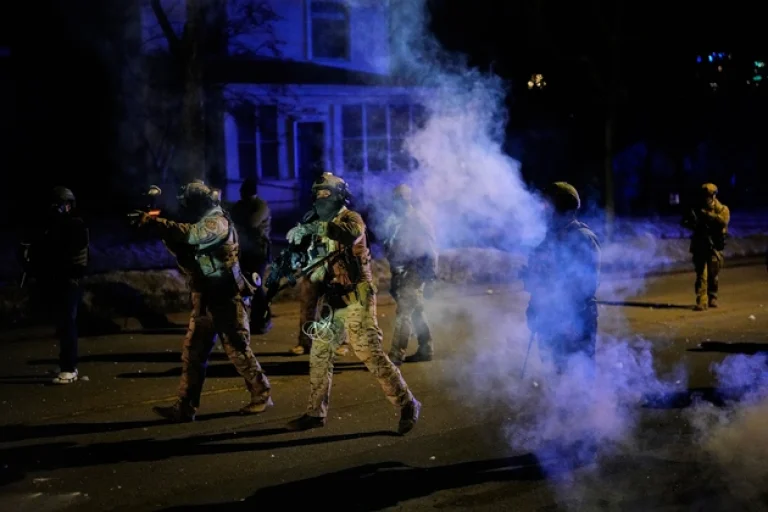
On January 16, 2026, a federal judge in Minnesota issued a critical ruling that directly impacts how ICE and DHS agents conduct crowd control and deportation operations during Operation Metro Surge. This temporary order addresses heightened tensions following a shooting incident involving ICE agents and protesters in Minneapolis. The ruling bans arrests of peaceful protesters, retaliatory use of nonlethal munitions, and unwarranted vehicle stops, aiming to protect First Amendment rights amid rising controversy. In this article, you’ll find everything you need to know about the ICE Minneapolis protests judge ruling, its context, legal implications, and what it means going forward.
Understanding the January 16, 2026 Federal Judge Ruling in Minneapolis
On Friday, January 16, 2026, U.S. District Judge Katherine Menendez issued a temporary order that places tight restrictions on how Immigration and Customs Enforcement (ICE) and Department of Homeland Security (DHS) agents may interact with protesters and bystanders during immigration enforcement activities in Minneapolis. This ruling comes amid ongoing protests and legal challenges triggered by Operation Metro Surge, a federal immigration crackdown targeting Minnesota’s Somali community.
Key Provisions of the Ruling
- Ban on Arrests and Detentions: Agents cannot detain or arrest peaceful protesters or observers unless there is probable cause of criminal wrongdoing. This protects lawful protest and First Amendment rights.
- Restriction on Nonlethal Force: The order prohibits use of nonlethal munitions (e.g., pepper spray, rubber bullets) as retaliation for protected speech or peaceful demonstration.
- Limitations on Vehicle Stops: Agents are barred from stopping vehicles simply because they are following ICE/DHS operations from a safe distance, unless there is reasonable suspicion of obstruction.
- Notification Requirement: DHS must notify its agents within 72 hours of the order’s terms to ensure compliance during all current and future operations.
These restrictions aim to curb the aggressive crowd control tactics reported during Operation Metro Surge, following reports of arrests and force used against protestors and legal observers.
Background: Operation Metro Surge and the ACLU Lawsuit
Operation Metro Surge is a large-scale immigration enforcement crackdown launched by the DHS, deploying over 2,000 officials in Minnesota, with a strong focus on the Somali immigrant community in Minneapolis. The operation involves deportations and fraud investigations ramped up post-2024 presidential election and is currently ongoing with no indication of scaling down.
In December 2025, the American Civil Liberties Union (ACLU) filed a lawsuit challenging ICE and DHS tactics, arguing that peaceful protesters and observers documenting federal activities were unlawfully arrested and harassed. The lawsuit arose after multiple incidents where agents allegedly used excessive force and made arrests without proper legal justification.
The federal government defended their actions by pointing to purported instances where crowds threw snowballs and ice at agents and blocked vehicles, which they said justified the use of force following warnings.
Involved Parties
- Judge: Katherine Menendez, U.S. District Court
- DHS Spokesperson: Tricia McLaughlin
- White House Spokesperson: Abigail Jackson
- Scrutinized Politicians: Minnesota Governor Tim Walz (also a 2024 VP candidate) and Minneapolis Mayor Jacob Frey, both subpoenaed by a grand jury investigating alleged obstruction under 18 U.S.C. 372 in relation to the operation.
The ruling and lawsuit are a rare judicial pushback against the Trump administration’s still-active immigration surge, highlighting clashes between federal enforcement and constitutional protest protections.
Why the Ruling is Trending: The Clash of Immigration Enforcement and First Amendment Rights
This case has become a major focus nationally because it encapsulates a larger political and legal battle:
- Federal Overreach vs. Civil Liberties: The ruling limits aggressive ICE tactics, spotlighting the balance between effective immigration enforcement and constitutional rights.
- Volatile Protests & Public Safety Concerns: The Minneapolis ICE shooting incident intensified local and national tensions, with fears of spiraling violence and rioting in a cold and politically charged environment.
- Political Ramifications: High-profile Democrats like Governor Walz and Mayor Frey are under investigation for alleged obstruction, raising concerns about the politicized use of federal probes against rivals of the Trump administration.
- Potential for Legal Precedent: The ruling could be appealed up to the Supreme Court, making it a landmark case testing how far immigration officials can go in managing protests and enforcement.
What This Means for Protesters, ICE Agents, and Minneapolis Residents
For Protesters and Observers
- You have stronger legal protections against arrests and force if you are peacefully protesting or recording ICE operations.
- Documenting federal actions is affirmed as a protected activity, reducing fear of illegal detentions.
- Increased transparency as DHS must alert agents about these restrictions promptly.
For ICE and DHS Agents
- There are clear legal limits on using force and making arrests, requiring better justification and evidence for crowd control actions.
- Agents must avoid aggressive vehicle stops without reasonable suspicion, changing key operational tactics.
- Heightened scrutiny and potential legal consequences for violations of the order.
For Minneapolis and the Somali Community
- The ruling offers some relief amid a wave of deportations and protests
- Tensions may ease but underlying immigration enforcement efforts continue
- Local political leaders under federal investigation face scrutiny, adding to community concerns
Common Questions About the ICE Minneapolis Protests Judge Ruling
What specific crowd control tactics has the judge restricted?
The ruling bans arrests or detentions of peaceful protesters without probable cause, use of nonlethal munitions like pepper spray as retaliation, and vehicle stops without reasonable suspicion. It ensures that protected speech and nonviolent observation cannot be grounds for force.
Why did the ACLU file the lawsuit against ICE and DHS?
After numerous reports of unlawful arrests and excessive force during protests and documentation efforts of Operation Metro Surge, the ACLU filed suit to protect constitutional rights for protesters and observers facing aggressive federal enforcement.
What was the shooting incident mentioned in the ruling’s background?
During recent protests in Minneapolis, an ICE agent shot a demonstrator amid escalating confrontations. This incident drew national attention and fueled increased legal scrutiny of ICE’s crowd control tactics.
Will this ruling end Operation Metro Surge?
No, the ruling doesn’t stop the operation itself but imposes legal limits on how ICE/DHS conduct crowd control and enforcement activities. Operation Metro Surge continues, but with tighter control on agent conduct in the field.
What political implications does this case have?
The ruling and related investigations have intensified partisan tensions. The Trump administration denies wrongdoing and calls the ruling a “left-wing narrative,” while Democrats like Governor Walz and Mayor Frey face grand jury subpoenas as part of alleged obstruction probes.
Conclusion: What You Need to Know About the ICE Minneapolis Protests Judge Ruling
The January 16, 2026 federal judge ruling marks a pivotal moment in the ongoing conflict between aggressive immigration enforcement and First Amendment rights in Minneapolis. By barring arrests of peaceful protesters and restricting retaliatory crowd control tactics during Operation Metro Surge, the court has reinforced constitutional protections for protestors and observers. Still, the ruling stops short of halting deportations themselves, keeping tensions high. With political implications reaching into investigations of key Minnesota leaders and potential appeals looming, this case remains a critical barometer for immigration policy and civil liberties nationwide.
For anyone following immigration enforcement, civil rights activism, or Minnesota politics, understanding this ruling is essential to navigating the evolving landscape where federal power, protest rights, and community safety collide.
Actionable Takeaways
- If you plan to protest or document immigration enforcement in Minneapolis, know your rights under this ruling to avoid unlawful arrests.
- Stay informed on updates about Operation Metro Surge as it continues with ICE and DHS agents adapting to new legal limits.
- Watch for developments in related subpoenas and political investigations that could influence enforcement policies.
- Legal advocates and community organizers should leverage this ruling to protect activists and push for accountability in federal immigration actions.
Further Reading & References
- Politico: ICE Minneapolis arrests judge protests
- ABC30: Minneapolis ICE shooting live updates
- MPR News: ICE shooting Minneapolis Minnesota latest updates




0 Comments