



Government Shutdown and ICE Accountability Negotiations in February 2026: What You Need to Know
In early February 2026, the U.S. government faced a near shutdown crisis, with significant implications for immigration enforcement and federal operations. The House of Representatives passed a temporary funding bill to end a four-day partial government shutdown, highlighting key debates over ICE reforms and bipartisan negotiations. This article breaks down what happened, why it matters, and what to expect moving forward.
Understanding the February 2026 Government Shutdown and Its Causes
The shutdown began due to disagreements over immigration enforcement reforms, triggered by a deadly ICE raid in Minneapolis last month that resulted in a bystander’s death. The incident intensified existing tensions between Democrats advocating for stricter accountability measures and Republicans emphasizing law enforcement autonomy.
On February 3, 2026, the U.S. House of Representatives voted to pass a stop-gap spending bill with a 217-214 majority. This bill temporarily funds the Department of Homeland Security (DHS) through February 13, preventing a full government shutdown. However, if Congress cannot reach an agreement, another shutdown could occur on February 14, 2026.
Key Players and Their Positions
Legislators and Leaders
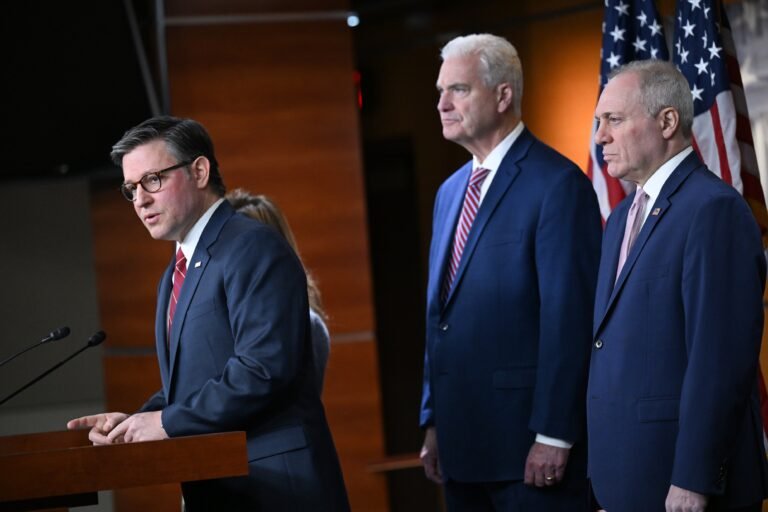
- Speaker Mike Johnson (R-LA): Advocating for limited oversight of ICE, rejecting warrant requirements as “handcuffs on law enforcement,” but open to transparency measures like body cameras.
- Democrats: Demanding reforms including body-camera mandates, judicial warrants for home arrests, and binding codes of conduct for ICE agents. They argue these measures are essential for accountability and public trust.
- President Trump: Signed the stop-gap bill, urging for “immediate passage” and emphasizing the importance of border security and law enforcement.
Impacts of ICE Reforms and The Current Negotiation Landscape
The negotiations are centered around critical reforms to ICE practices, with Democrats pushing for:
- Body-camera mandates to increase transparency during enforcement actions.
- Judicial warrants required for home arrests to protect civil liberties.
- Binding codes of conduct to ensure ethical behavior among ICE officials.
Republicans oppose warrant requirements, viewing them as obstacles to effective law enforcement. However, some Republicans are considering transparency measures like adopting body cameras.
Why This Matters for Immigration Policy and Daily Life
This debate directly impacts U.S. immigration policy, affecting processes such as visa processing, H-1B registration, and consular services. A second shutdown during H-1B registration season could severely disrupt multinational businesses and international travel, causing delays in visa approvals and business operations.
Furthermore, the outcome will influence public perception of ICE and governmental accountability, setting a precedent for future enforcement practices.
Key Dates and What to Watch For
- February 13, 2026: Deadline for DHS funding; if no agreement, another shutdown begins.
- Upcoming negotiations: Critical discussions are ongoing to finalize reforms.
- Potential future actions: Congressional votes on permanent legislation or additional funding bills.
FAQs About the February 2026 Government Shutdown and ICE Reforms
What caused the February 2026 government shutdown?
The shutdown was triggered by disagreements over immigration enforcement reforms following a fatal ICE raid in Minneapolis, with debates centering around accountability measures like body cameras and warrants.
Will the government fully reopen after February 13?
It depends on bipartisan negotiations. If lawmakers reach an agreement on ICE reforms and funding, full government operations could resume. Otherwise, a subsequent shutdown is possible.
What are the main reforms Democrats are pushing for?
Democrats demand body-camera mandates, judicial warrants for arrests, and binding conduct codes for ICE agents to increase transparency and accountability.
How could these reforms impact immigrant enforcement?
These reforms aim to make ICE enforcement more transparent and accountable, potentially reducing abuses and increasing public trust, but they face opposition from law enforcement advocates.
What is the significance for multinational employers and travelers?
Delays or disruptions in visa processing during a shutdown could impact businesses and international travel, especially during busy H-1B registration periods. Planning ahead is advisable for affected stakeholders.
Conclusion: Navigating the Future of Immigration Enforcement and Government Funding
The February 2026 government shutdown underscores the complex balancing act between effective law enforcement and civil liberties. The negotiations over ICE accountability measures reflect broader debates about transparency, immigration policy, and government responsibility.
Stakeholders should stay informed about key dates and legislative developments to anticipate potential disruptions. Clear communication and bipartisan cooperation are essential for creating sustainable solutions that uphold both security and accountability.
Actionable Takeaways
- Monitor official government updates for the latest on funding negotiations.
- If involved in immigration-related processes, plan for possible delays during the ongoing negotiations.
- Stay engaged with legislative discussions around ICE reforms to understand potential policy shifts.
- Businesses should review contingency plans for visa processing disruptions.
For more insights on related topics, check out articles on building relationships or the recent updates on political figures’ health.




0 Comments