


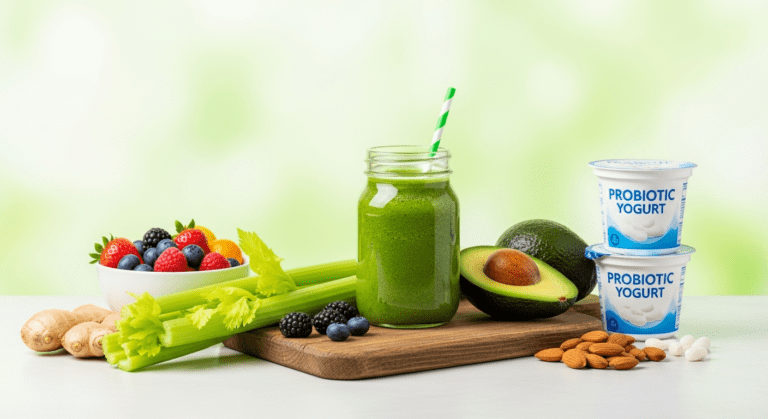

Enhance Your Digestive Health Naturally: Proven Strategies for Better Gut Well-being
Are you tired of feeling bloated, uncomfortable, or dealing with frequent digestive issues? Improving your gut health is essential for overall wellness, immune support, and increased energy. In this comprehensive guide, we explore scientifically backed, natural strategies to optimize your digestive system effectively and sustainably. Whether you are dealing with minor symptoms or chronic issues, implementing these tips can transform your gut health and quality of life.
Understanding Digestive Health and Its Importance
Your gut is more than just a food processing machine; it’s a complex ecosystem involving trillions of microorganisms that influence digestion, immunity, and even mental health. An imbalance in gut bacteria can lead to bloating, constipation, diarrhea, and other health problems. Improving gut health isn’t just about relieving symptoms—it’s about restoring harmony to your microbial community for long-term benefits.
Key Factors Affecting Gut Health
- Diet: What you eat directly impacts your gut microbiome.
- Stress levels: Chronic stress can disrupt gut function.
- Sleep quality: Poor sleep impairs digestion and recovery.
- Antibiotic use: Excessive antibiotics can kill beneficial bacteria.
- Physical activity: Exercise influences gut motility and microbial diversity.
Natural, Science-Backed Strategies to Improve Gut Health
1. Incorporate Fermented Foods into Your Diet
Fermented foods are rich in probiotics—live beneficial bacteria that restore and maintain gut flora. Examples include yogurt, kefir, sauerkraut, kimchi, and combination of probiotic foods. Regular consumption can enhance digestion, reduce bloating, and strengthen immunity.
2. Increase Dietary Fiber Intake
Dietary fiber acts as food for good gut bacteria, fostering diversity and stability. Aim for a variety of soluble and insoluble fibers found in fruits, vegetables, whole grains, and legumes. Gradually increase intake to avoid bloating and ensure proper digestion.
3. Practice Mindful Eating and Chewing
Proper digestion begins with thorough mastication. Chewing food well enhances enzyme activity and minimizes digestive strain. Eating slowly and mindfully can prevent overeating and promote better absorption of nutrients.
4. Use Prebiotics to Nourish Beneficial Bacteria
Prebiotics are non-digestible fibers that serve as fuel for probiotics. Foods rich in prebiotics include garlic, onions, leeks, asparagus, and other high-fiber vegetables. Incorporating these can boost probiotic effectiveness.
5. Limit Processed Foods, Sugar, and Unhealthy Fats
Highly processed foods and refined sugars can promote harmful bacteria over beneficial strains. Focus on whole, unprocessed foods to support microbial balance and reduce inflammation in the gut.
6. Stay Hydrated With Adequate Water Intake
Water is essential for digestion, nutrient absorption, and waste elimination. Aim for at least 8 glasses daily, and adjust based on activity level and climate. Proper hydration ensures smooth gut motility and reduces constipation.
7. Manage Stress Through Mindfulness and Relaxation Techniques
Chronic stress affects gut motility and increases intestinal permeability. Techniques such as meditation, deep breathing, or yoga can help reduce stress hormones that disrupt your gut barrier.
8. Prioritize Quality Sleep
Sleep deprivation impairs gut microbiota diversity. Establish a consistent sleep routine, avoid screens before bed, and create a relaxing environment. Well-rested gut bacteria function optimally, supporting digestion and immunity.
Additional Tips for Persistent Digestive Issues
- Consider a gut health supplement with probiotics and prebiotics, after consulting a healthcare provider.
- Limit alcohol consumption, as it can disturb microbial balance.
- Avoid unnecessary use of antibiotics; always follow medical advice.
Comparing Natural Methods With Medical Interventions
While natural strategies are highly effective for most, persistent or severe symptoms such as chronic diarrhea, bleeding, or significant weight loss require medical evaluation. Combining lifestyle changes with professional guidance yields the best long-term results.
FAQs About Improving Gut Health Naturally
Q1: How long does it take to notice improvements in gut health?
Most people begin noticing benefits within 2-4 weeks of consistent dietary and lifestyle adjustments. Full microbial balance may take several months.
Q2: Can probiotics alone heal my gut issues?
Probiotics are beneficial, but best results come from an integrated approach—including diet, stress management, hydration, and sleep.
Q3: Are there any foods I should avoid for better gut health?
Yes. Limit processed foods, refined sugars, artificial sweeteners, and excessive alcohol, which can harm beneficial bacteria and promote inflammation.
Q4: Is it safe to start taking prebiotics and probiotics without medical advice?
Generally yes, but consult with a healthcare professional if you have underlying health conditions or are immunocompromised.
Conclusion: Achieving a Healthy Gut for a Better Life
Maintaining optimal gut health is a cornerstone of overall wellness. By adopting natural, scientifically supported habits such as consuming probiotic-rich foods, increasing fiber intake, managing stress, and prioritizing sleep, you can significantly improve digestion, immunity, and energy levels. Remember, consistency is key, and small daily changes lead to lasting benefits. Prioritize your gut health today for a healthier, happier tomorrow.
For more tips on holistic wellness and functional health, visit Nefeblog’s Health & Fitness. Explore further ways to optimize your lifestyle and boost your overall vitality.




0 Comments