


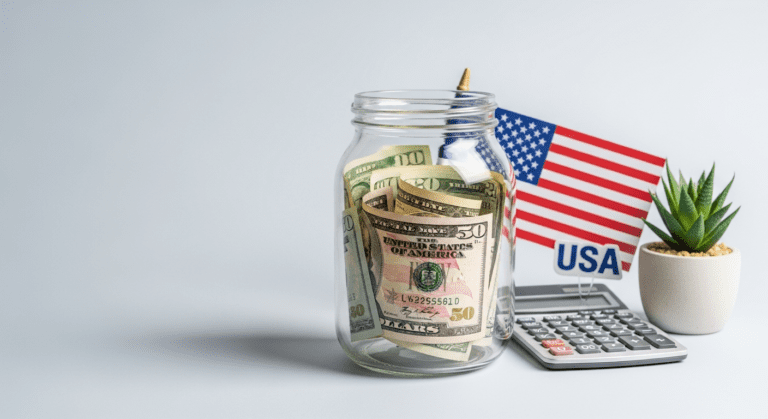

The Ultimate Guide to Building a Robust Emergency Fund for Young Adults in the USA
In today’s unpredictable economic climate, establishing a strong emergency fund is essential for financial security, especially for young adults navigating their careers and personal finances. This comprehensive guide will walk you through step-by-step strategies tailored for Americans aged 23-30, ensuring you’re prepared for life’s unexpected financial surprises.
Understanding the Importance of an Emergency Fund
An emergency fund acts as a financial safety net, covering unforeseen expenses like medical emergencies, car repairs, or sudden job loss. For young adults in the USA, building this reserve is crucial for maintaining financial stability and peace of mind.
Research shows that many Americans are unprepared for unexpected financial shocks, which can lead to debt accumulation and prolonged stress. Creating a dedicated emergency fund reduces reliance on high-interest credit cards and payday loans, promoting long-term financial health.
How Much Should You Save? Setting Realistic Goals
Optimal Emergency Fund Size
The common recommendation is to save enough to cover 3 to 6 months of living expenses. For young adults, a conservative approach of 3 months is a good starting point, with the goal to increase as income stability improves.
Example: If your monthly expenses are $2,000, aim for at least $6,000 in your emergency fund initially, then work towards $12,000 for comprehensive coverage.
Factors Influencing Your Target Amount
- Job stability and industry risk
- Monthly expenses and debt repayment obligations
- Dependents or family responsibilities
- Savings buffer for irregular income sources
Steps to Build Your Emergency Fund Efficiently
1. Assess Your Financial Situation
Calculate current savings, monthly expenses, and income sources. Use tools like Excel or budgeting apps such as personal finance apps to track spending.
2. Create a Dedicated Savings Account
Open a separate, high-yield savings account to avoid temptation and clearly distinguish your emergency fund from everyday spending money.
3. Automate Contributions
Set up automatic transfers from your checking account to your emergency fund. Even $50–$100 per paycheck can add up over time.
4. Cut Unnecessary Expenses
Review subscriptions, dining out, or impulse purchases. Redirect those funds towards your emergency savings.
5. Increase Savings During Windfalls
Utilize bonuses, tax refunds, or side hustle income exclusively for your emergency fund.
6. Stay Consistent and Patient
Building a robust emergency fund takes time. Aim for steady progress, reviewing your goals every few months.
Common Mistakes to Avoid
- Using your emergency fund for non-emergencies
- Not updating your target amount as expenses grow
- Neglecting to keep funds accessible but separate from regular accounts
Tools and Resources for Fast Savings
Leverage budgeting calculators, savings challenges, and financial planning guides to accelerate your progress. Consider apps like automatic savings tools to maximize efficiency.
FAQs About Emergency Funds for Young Adults
Q1: How long does it typically take to save $6,000?
With consistent saving of $100 per week, it takes about 15 months. Adjust your savings rate based on income and expenses.
Q2: Can I use a part of my emergency fund for non-emergencies?
It’s best to reserve your emergency fund for genuine emergencies to ensure funds are available when truly needed.
Q3: Should I invest my emergency fund for growth?
No, the primary goal is liquidity and safety. Keep emergency funds in accessible, low-risk accounts like savings or money market accounts.
Q4: Is it better to build an emergency fund before investing?
Yes, especially for young adults, prioritized savings ensure protection before taking on investment risks.
Conclusion: Start Building Your Safety Net Today
Establishing an emergency fund is a foundational step toward financial independence. By assessing your needs, setting achievable goals, and automating your savings, you can safeguard your future from unexpected setbacks.
Remember, the sooner you begin, the more confident you’ll feel in managing life’s surprises. For tailored financial tips, explore more personal finance resources today.
Actionable Takeaways
- Automate savings to stay consistent
- Start small if necessary, then increase contributions
- Use high-yield savings accounts for better growth
- Review and adjust your goals periodically




0 Comments