


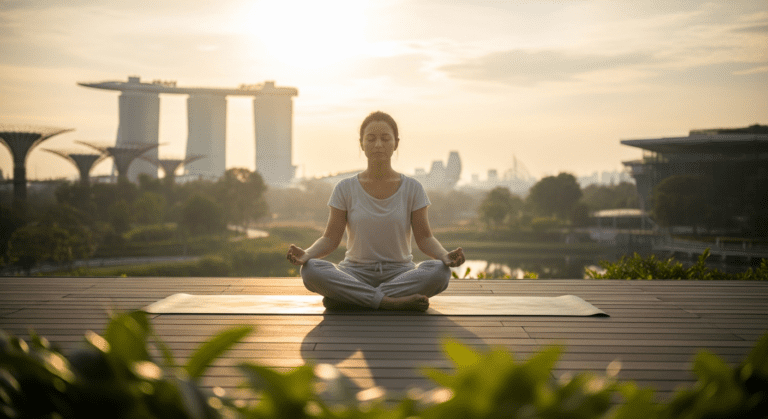

Effective Breathing Techniques to Reduce Stress and Improve Mental Clarity for Young Adults
Are you feeling overwhelmed by stress or struggling to focus during your busy day? As a young adult in Singapore, managing mental health is crucial for maintaining productivity and well-being. Fortunately, simple breathing techniques can be your secret weapon to instantly reduce stress and boost mental clarity. In this comprehensive guide, we’ll explore proven methods, how they work, and tips on integrating them into your daily routine.
Understanding the Power of Breath for Stress Relief
Breathing isn’t just about inhaling and exhaling; it’s a vital link between your mind and body. Proper breathing techniques activate your parasympathetic nervous system, promoting relaxation and reducing cortisol levels. For young adults juggling academics, work, and social life, mastering these techniques can lead to improved focus, better emotional regulation, and overall mental health.
Top Breathing Techniques to Calm Your Mind
1. Diaphragmatic (Belly) Breathing
This fundamental method involves breathing deeply into the diaphragm rather than shallow chest breaths. It immediately signals your body to relax.
- Find a comfortable seated or lying down position.
- Place one hand on your chest and the other on your belly.
- Inhale slowly through your nose, allowing your belly to rise while your chest remains still.
- Exhale gently through your mouth or nose, feeling your belly fall.
- Repeat for 5–10 minutes during stressful moments.
2. 4-7-8 Breathing Technique
This method is excellent for reducing anxiety and improving sleep quality, making it perfect for young adults with erratic schedules.
- Inhale quietly through your nose for 4 seconds.
- Hold your breath for 7 seconds.
- Exhale completely through your mouth for 8 seconds with a gentle whooshing sound.
- Repeat the cycle 4–8 times until you feel calmer.
3. Box Breathing (Square Breathing)
Popular among athletes and military personnel, box breathing calms the nervous system and enhances concentration.
- Inhale through your nose for 4 seconds.
- Hold your breath for 4 seconds.
- Exhale slowly for 4 seconds.
- Hold your breath again for 4 seconds.
- Repeat for 1–5 minutes.
How to Incorporate Breathing Exercises into Daily Life
Timing and Setting
Practice these techniques during moments of high stress, before exams, during breaks, or at bedtime. Find a quiet space or use your commute for quick breathing exercises.
Tips for Success
- Start with 2–3 minutes daily, gradually increasing duration.
- Use guided apps like Headspace or Calm for structured sessions.
- Combine breathing with mindfulness or meditation for enhanced benefits.
Common Mistakes to Avoid
- Shallow, rapid breathing instead of deep diaphragmatic breaths.
- Suppressing exhalation or holding breath too long, leading to dizziness.
- Neglecting consistency—practice regularly for lasting results.
Scientific Evidence Supporting Breathing for Stress Reduction
Research indicates that controlled breathing can lower cortisol levels, improve heart rate variability, and enhance mood. A study published in the Journal of Clinical Psychology found that regular diaphragmatic breathing significantly reduces anxiety symptoms, especially in young adults.
FAQs
Q1: How quickly can breathing techniques reduce stress?
Many people experience immediate calming effects within a few minutes of practicing deep breathing, making it a quick tool during stressful moments.
Q2: Can breathing exercises improve focus for studying?
Yes, controlled breathing helps calm the mind and improve concentration, making study sessions more productive.
Q3: Are there any risks associated with these techniques?
When practiced correctly, breathing techniques are safe for most people. However, individuals with respiratory conditions should consult a healthcare provider before starting new exercises.
Q4: How often should I practice breathing exercises?
Daily practice for 5–10 minutes yields the best results, but even a few deep breaths during stressful moments can be beneficial.
Conclusion
Integrating **simple breathing techniques** into your daily routine can significantly **reduce stress** and **enhance mental clarity**. Whether it’s diaphragmatic breathing, box breathing, or 4-7-8, these methods are accessible, effective, and easy to learn—perfect for young adults navigating the demands of Singapore’s fast-paced lifestyle. Start today, and enjoy the calm and focus that controlled breathing can bring.
Actionable Takeaways
- Practice diaphragmatic breathing for 5 minutes during breaks.
- Use 4-7-8 breathing before sleep to improve sleep quality.
- Incorporate box breathing during high-pressure situations like exams.
- Download guided apps to stay motivated and consistent.




0 Comments