


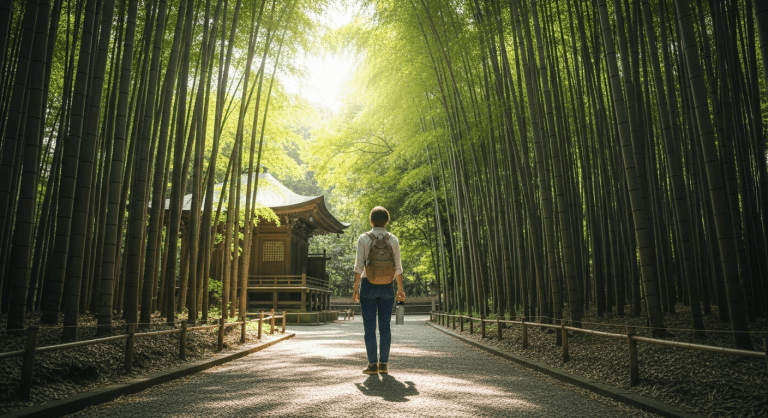

Eco-Friendly Travel in Japan: Essential Tips for Young Adults (23-30) in 2025
Thinking about exploring Japan sustainably? If you are a young adult, aged 23-30, looking to minimize your impact while traveling this amazing country, you’re in the right place. This blog cuts through the generic advice and gives you actionable eco-travel tips tailored for Japan—from green transport to responsible stays and cultural awareness. Ready to make your Japan adventure unforgettable and planet-friendly?
Why Choose Eco-Friendly Travel in Japan?
Japan is renowned for its natural beauty, efficient public transport, and unique culture. Eco-friendly travel here isn’t just possible—it’s rewarding. By prioritizing sustainability during your trip, you help preserve stunning sites, reduce your footprint, and set an example for fellow travelers.
- Preserve scenic spots like Mount Fuji and the Japanese Alps
- Support local communities and traditional crafts
- Enhance your cultural experience through meaningful, respectful travel
How to Plan a Sustainable Trip to Japan
1. Choose Low-Impact Transportation
- Use Japan’s exceptional public transport: The country’s train network (including the famous JR Pass) connects nearly every region. Trains are clean, efficient, and have a low carbon footprint.
- Bike rentals are available in cities like Kyoto, Osaka, and Tokyo—perfect for short distances and a healthier, greener way to see the sights!
- Consider electric or hybrid car shares: For rural areas or day trips, services like Times Car Plus offer eco-friendly vehicles.
2. Stay at Green Accommodations
- Look for certified eco-hotels or traditional inns (ryokan) that embrace sustainable practices. For example, places with solar panels, recycling programs, or local sourcing.
- Check for certifications like Green Key or the Eco Mark—these assure a commitment to sustainability.
- Try guesthouses and community-run minshuku, which foster cultural exchange and support small businesses.
3. Eat and Shop Sustainability
- Favor locally sourced, seasonal foods: Japanese cuisine already focuses on seasonal produce and seafood. Embrace farm-to-table dining and support farmers’ markets.
- Carry a reusable chopstick set, water bottle, and shopping bag to reduce waste from single-use plastics, which are prevalent in Japanese convenience stores.
- Buy handmade souvenirs from local artisans—this supports traditional crafts and reduces the carbon cost of imports.
4. Practice Responsible Sightseeing & Activities
- Stick to marked trails when hiking iconic spots like Nakasendo Way or trails around Mount Fuji.
- Participate in eco-tours focused on wildlife, rural culture, and volunteering (tree-planting, clean-up days).
- Respect wildlife—don’t chase or feed wild animals, especially in places like Nara or Miyajima.
Top Eco-Friendly Destinations & Experiences in Japan
- Yakushima Island: A UNESCO site covered in ancient cedar forests. Go with a certified eco-guide.
- Kamikatsu (Tokushima): Japan’s “zero waste town”—visit recycling centers and sustainable workshops.
- Kyoto’s temple gardens: Many temples use traditional methods to tend gardens, preserve rare plant species, and practice mindful waste management.
- Nagano’s snow monkey parks: Choose reputable tours that enforce respectful observation.
Smart Packing Tips for Sustainable Travel
- Pack light—reduces weight on public transport and your carbon footprint.
- Bring solid toiletries (shampoo bars, soaps) to avoid excess packaging.
- Pack a reusable water bottle—Japan’s tap water is safe, and water fountains are common in cities and stations.
- Include a portable phone charger (solar preferred) for off-the-beaten-track days.
- Don’t forget your own eco-friendly tote or backpack for shopping and excursions!
Important Cultural Etiquette for Sustainable Travel
Japan values harmony and respect for both people and nature. Here’s how to stay eco-conscious and culturally aware:
- Follow all signage—many rules (like not touching cherry blossom trees during hanami) are in place to protect the environment.
- Participate in local rituals and festivals responsibly—avoid leaving litter, use provided bins, and respect traditions.
- Speak softly and avoid loud phone calls in public places and transit, preserving tranquility for all.
Common Eco-Travel Mistakes in Japan (and How to Avoid Them)
- Over-packaging: Japan is known for beautiful packaging – but refuse unnecessary bags, plastics, and packaging where possible.
- Single-use convenience: Don’t rely on single-use items from konbini (convenience stores)—bring your own cup, bottle, and utensils.
- Ignoring local customs: Every region has unique environmental policies (like strict garbage separation in Tokyo and Kamikatsu). Research before arrival.
Recommended Tools & Apps for Sustainable Travel in Japan
- Japan Official Travel App: Up-to-date transport, local recommendations, and safety info.
- HappyCow: Find vegetarian and vegan-friendly dining options.
- MAPS.ME: For offline maps and green walking/bike paths.
- Reusable Japan: Locate stores that encourage or allow reusable containers for food or drinks.
- Use hardware from Japanese convenience stores responsibly—they increasingly stock eco-friendly products like biodegradable straws and reusable bottles.
Eco-Friendly Travel: What’s Next?
Eco-travel isn’t a trend—it’s a necessity. By making mindful choices in Japan, you’ll enjoy deeper experiences and ensure future travelers can do the same. If you want even more solo travel hacks for young explorers, check out our guides for smart packing, budget travel, and epic road trips.
FAQs: Eco-Friendly Travel in Japan for Young Adults
- Is Japan a good destination for eco-friendly travel?
- Yes! Japan’s extensive public transport, eco-friendly lodgings, and a strong ethos of respect for nature make it ideal for sustainable travel—especially if you follow these tips.
- Can I drink tap water in Japan?
- Absolutely. Japanese tap water is safe, clean, and available almost everywhere—packing a reusable bottle is a must for any eco-conscious traveler.
- What are the best regions in Japan for green travel?
- Top spots include Yakushima (for forests), Kamikatsu (zero waste), and Kyoto (heritage gardens), but sustainable options exist nationwide.
- How do I reduce single-use plastic while traveling in Japan?
- Carry your own chopsticks, reusable bottle, and tote bag. Refuse extra packaging politely, and use convenience stores’ growing eco-product selection.
- Are there any national parks I should visit?
- Absolutely—consider Shiretoko (Hokkaido), Daisetsuzan, or Fuji-Hakone-Izu. Research permitted activities and leave no trace.
Conclusion: Travel Green, Travel Smart
Eco-friendly travel in Japan is realistic, affordable, and deeply rewarding—especially for young adults who want real experiences. Use public transport, support local businesses, eat sustainably, and pack consciously. Respect nature and culture at every step, and you’ll create positive memories for yourself—and for the planet.
Actionable Takeaways
- Choose eco-certified stays and use Japan’s transit system.
- Shop and dine local; bring your own reusable essentials.
- Download key travel apps for sustainability.
- Leave every place as beautiful as you found it.
Want more on sustainable travel or exploring Japan? Discover our essential guides on budget solo adventures, solo safety tips, and travel photography hacks!
For deeper information, see authoritative sources such as Japan National Tourism Organization and Japan Ecotourism Society.




0 Comments