



Effective Breathing Techniques for Stress Relief and Anxiety Reduction
In today’s fast-paced world, stress and anxiety have become common struggles for many, especially among young adults aged 17–22. Understanding and practicing effective breathing techniques can significantly improve mental clarity, emotional balance, and overall well-being. This comprehensive guide will walk you through proven methods that are easy to incorporate into your daily routine, backed by scientific research and real-world experience.
Why Breathing Techniques Matter for Stress and Anxiety
Our breath is intricately linked to our nervous system. When we’re stressed or anxious, our breathing becomes shallow and rapid, activating the sympathetic nervous system—the body’s fight-or-flight response. Proper breathing can activate the parasympathetic nervous system, promoting relaxation and reducing stress hormones like cortisol.
Practicing mindful breathing techniques has been shown to improve mood, enhance concentration, and decrease symptoms of anxiety. For young adults balancing studies, work, and social life, these methods offer an accessible, drug-free way to manage stress effectively.
Top Breathing Techniques for Stress Relief
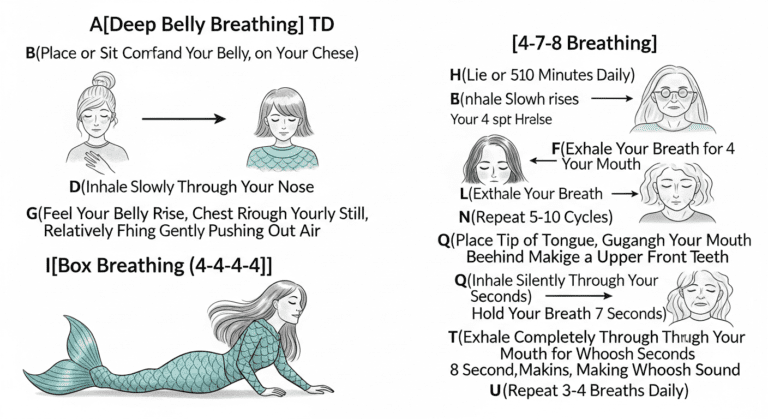
1. Diaphragmatic Breathing (Belly Breathing)
This foundational technique involves engaging the diaphragm fully, encouraging deep, calming breaths. It’s simple and highly effective for reducing stress.
- Lie down or sit comfortably.
- Place one hand on your chest and the other on your belly.
- Inhale deeply through your nose for 4-6 seconds, feeling your belly rise.
- Exhale slowly through your mouth or nose for 6-8 seconds, feeling your belly fall.
- Repeat for 5–10 minutes daily.
This method increases oxygen intake and promotes relaxation, making it ideal before exams or deadlines.
2. Box Breathing (Square Breathing)
This technique involves focusing on equal-length inhales, holds, and exhales, creating a rhythmic pattern that calms the nervous system.
- Inhale smoothly through your nose for 4 seconds.
- Hold your breath for 4 seconds.
- Exhale slowly through your mouth for 4 seconds.
- Hold your breath again for 4 seconds.
- Repeat for 1–5 minutes or until you feel calmer.
Popular among athletes and military personnel, box breathing enhances focus and reduces anxiety symptoms.
3. 4-7-8 Breathing Technique
Developed by Dr. Andrew Weil, this technique helps to quiet the mind and dismiss distracting thoughts.
- Close your mouth and inhale quietly through your nose for 4 seconds.
- Hold your breath for 7 seconds.
- Exhale completely through your mouth for 8 seconds, making a whooshing sound.
- Repeat the cycle 4 times initially, gradually increasing as you get comfortable.
This method is particularly useful for falling asleep faster or calming nerves before presentations.
Additional Tips for Maximizing Benefits
- Consistency: Practice these techniques daily, especially during stressful moments.
- Create a calming environment: Find a quiet space, dim the lights, and eliminate distractions.
- Use guided sessions: Apps like Calm or Headspace offer guided breathing exercises that enhance engagement and adherence.
- Combine with mindfulness: Focus on your breath’s sensation to stay present, reducing rumination.
Common Mistakes to Avoid
- Shallow breathing: Avoid quick, superficial breaths; focus on deep diaphragmatic breaths.
- Forcing breath: Never strain or hold your breath for too long beyond comfort.
- Inconsistent practice: Regularity is key for noticeable benefits.
Real-World Application
Managing Exam Anxiety
Before exams, spend 5 minutes practicing diaphragmatic breathing to clear your mind and reduce physical symptoms like rapid heartbeat.
Handling Daily Stressors
Whenever feeling overwhelmed, pause and do a quick box breathing session to regain focus and calmness, helping you approach problems more rationally.
FAQs
Q1: How long should I practice breathing exercises daily?
Aim for at least 10 minutes daily, with additional short sessions during stressful moments.
Q2: Can breathing techniques replace medication for anxiety?
While they can significantly reduce symptoms, consult a healthcare professional for severe anxiety or as part of a comprehensive treatment plan.
Q3: Are there any risks or contraindications?
Generally safe for most, but avoid forceful breathing if you experience dizziness, chest pain, or discomfort. Always practice within your comfort zone.
Q4: Can these techniques improve sleep?
Yes, especially the 4-7-8 method. Practicing before bed can improve sleep quality by calming your nervous system.
Q5: How quickly can I expect to see results?
Many people report feeling calmer after just one session, with more pronounced effects after consistent daily practice over a few weeks.
Conclusion
Incorporating breathing techniques into your daily routine offers a powerful, natural way to manage stress and anxiety. From diaphragmatic breathing to box breathing and 4-7-8, these methods are easy to learn and can be performed anywhere. By practicing regularly, you can enjoy better mental clarity, improved emotional resilience, and a greater sense of calm amidst everyday challenges.
Start today—your mind and body will thank you. For more wellness tips, check out our health and fitness section, and explore holistic approaches to mental wellness.




0 Comments