


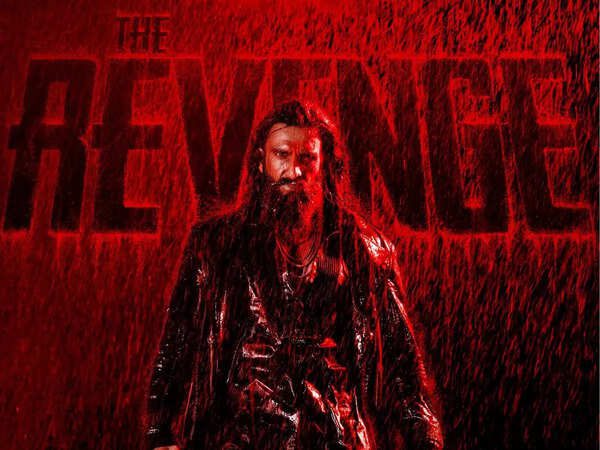

Dhurandhar Revenge Music Rights Deal: Fact-Check of Rs. 27 Crore Acquisition by T-Series
In recent Bollywood business news, the claim of a Rs. 50-60 crore music rights deal for Dhurandhar: The Revenge has created buzz and controversy. However, a thorough fact-check by Bollywood Hungama reveals that the actual figure is approximately Rs. 27 crore. This article breaks down the details of this deal, debunks inflated reports, and explains what this means for the franchise and Bollywood music economics.
Understanding the Dhurandhar Franchise and Its Financial Context
Background of Dhurandhar and Its Sequel
Dhurandhar: The Revenge, scheduled for release on March 19 (year unspecified), is the highly anticipated sequel to the blockbuster Dhurandhar, which debuted in December 2025. The original film was inspired by real events such as the Kandahar hijacking and the 2001 Parliament attack, contributing to its box office success and cultural impact.
The sequel stars Ranveer Singh as Jaskirat Singh Rangi/Hamza and features Akshaye Khanna. Directed, written, and co-produced by Aditya Dhar—known for his previous acclaimed works—the film is backed by industry giants Jio Studios and B62 Studios, signaling its commercial significance.
Music Rights and Market Dynamics
Music rights form a core revenue stream for Bollywood films. In this case, T-Series—India’s leading music label—acquired the rights to the Dhurandhar sequel, replacing Saregama. The deal covers multiple languages: Hindi, Tamil, Telugu, and Kannada, showcasing a bundled, multi-language approach increasingly common in pan-Indian films.
The reported figure of Rs. 50-60 crore, widely circulated, was found to be inflated. Official sources confirm the actual deal amount is Rs. 27 crore. This covers rights in four languages, representing a significant, profitable agreement—almost doubling the initial Rs. 15 crore music rights of the first film with Saregama.
The Reality of Bollywood Music Deals and Industry Trends
Modern Deal Structures and Revenue Sharing
Unlike older flat-rate deals, contemporary Bollywood music rights often involve complex structures like revenue sharing, bundling with broadcast rights, and multi-language packages. These practices can make deal values appear inflated if not properly contextualized, which was a criticism of Variety’s earlier reports.
Impacts on Franchise Valuation and Future Releases
- Doubling of music rights value signals increased franchise strength and future monetization potential.
- Bundled broadcast and digital rights further boost revenue streams.
- The market recognizes the growing importance of pan-Indian content, with multi-language deals becoming standard.
Why the Rs. 50-60 Crore Claim Is Misleading
The inflated figures emerged from misunderstandings of bundling and revenue-sharing deals. Industry insiders emphasize that deal valuations must be considered in context of infrastructure, rights scope, and revenue models.
For example, the Rs. 27 crore deal by T-Series covers both multi-language rights and revenue-sharing components that, combined, make it a lucrative package, but not the “astronomical” Rs. 50-60 crore reported initially.
Significance of the Deal for the Dhurandhar Franchise
Despite the corrected figures, this deal is a positive sign for the franchise, signaling high confidence from T-Series and increased monetization avenues. With the first film already smashing records and generating meme-worthy content, the sequel’s music rights acquisition indicates a strong commercial future.
Additional Details on Film and Distribution
- The first Dhurandhar faced setbacks overseas due to GCC ban, causing an estimated Rs. 45-50 crore overseas loss, but still performed well domestically.
- Broadcast rights for both films—bundled together—have been sold, further strengthening revenue strategies.
- The soundtrack, rumored to be a “massive chartbuster,” aims to replicate or surpass the first film’s musical success.
FAQs About Dhurandhar Music Rights Deal
1. What is the actual value of the Dhurandhar sequel’s music rights deal?
The confirmed figure is Rs. 27 crore, covering multi-language rights and revenue-sharing components, which is considered a strong deal in today’s Bollywood landscape.
2. Why was there a discrepancy in reported deal amounts?
Earlier reports inflated the deal due to misunderstanding of bundling, revenue sharing, and multi-language rights. Modern deal structures can appear exaggerated if not properly contextualized.
3. How does this deal impact the franchise’s prospects?
The deal indicates strong confidence from T-Series, nearly doubling the previous music rights value, which enhances the franchise’s monetization potential across India and internationally.
4. Will the deal include digital and broadcast rights as well?
Yes, the rights are bundled with broadcast and potentially digital rights, following industry trends for comprehensive rights packages.
5. What does this mean for Bollywood music economics?
It showcases evolving deal structures where bundling, multi-language rights, and revenue sharing are standard, reflecting a mature market capable of high-value negotiations.
Conclusion: Debunking Myths and Recognizing Opportunity
The case of the Dhurandhar sequel’s music rights deal illustrates the importance of accurate reporting and understanding industry practices. While initial claims of Rs. 50-60 crore were exaggerated, the confirmed Rs. 27 crore deal still signifies robust growth and strong franchise value in Bollywood.
Industry insiders and fans should focus on the actual figures, which affirm the franchise’s potential without falling prey to hype. As Bollywood moves toward more complex, transparent deal structures, stakeholders and audiences alike stand to benefit from clearer insights and realistic expectations.
Actionable Takeaways
- Always verify reported deal values against official sources or credible industry insiders.
- Understand that modern music and rights deals often involve bundling and revenue sharing, which can inflate headline numbers.
- The Dhurandhar franchise’s growth trajectory remains promising with strategic rights acquisitions and expanding pan-Indian appeal.
For ongoing updates on Bollywood deals and industry trends, keep following our blog.




0 Comments