


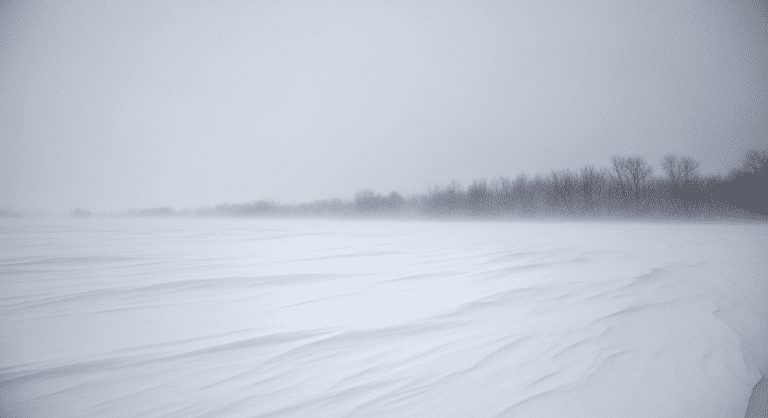

Storm Warning: What You Need to Know About the Late-December Midwest Blizzard
Searching for the latest storm warning updates? A late-December blizzard and winter storm warning is gripping the U.S. Midwest, bringing dangerous snow, extreme winds, and life-threatening cold across several states. If you live in or travel through Minnesota, the Plains, or the Upper Midwest, here’s what the warnings mean, what to expect, and how to stay safe as conditions become hazardous. This guide covers timing, impacted areas, travel and power risks, safety steps, and local resource links—all in one place for quick reference.
Storm Warning Timeline & Official Warnings
When and Where Is the Storm Hitting?
A powerful winter storm system tracked southeast from Canada will impact the region starting late Sunday, December 28, continuing through Monday, December 29 (exact timing varies by county and updates). The National Weather Service (NWS) has issued Blizzard Warnings and Winter Storm Warnings for:
- South-central & western Minnesota (including Redwood, Chippewa, Lac Qui Parle, Stevens, Swift counties & others)
- Parts of up to 15 states spanning the Midwest and Plains
Official Warning Excerpt:
“Expect light to moderate snow totals of 5–8 inches in some locations, followed by extremely strong northwest winds gusting 40–55 mph, dangerous wind chills and blizzard conditions with whiteout visibility, especially late Sunday through Monday.” — NWS Twin Cities/Chanhassen
Counties and Areas Actively Under Warning
- Redwood
- Chippewa
- Lac Qui Parle
- Stevens
- Swift
- Additional counties may be added per the latest NWS updates
Hazards: What Does This Storm Warning Mean?
A storm warning signals that dangerous weather is imminent. For this event, hazards include:
- Heavy Snow Accumulation: Localized amounts of 5–8+
- Blizzard/Whiteout Conditions: Blowing snow + wind gusts 40–55 mph
- Travel Hazards: Rapidly deteriorating roads, sudden highway closures
- Utilities at Risk: Possibility of power outages due to heavy snow & high winds
- Frigid Cold: Wind chills near -20°F in some regions
These factors pose severe risks to travelers, utility stability, and especially vulnerable populations such as the elderly, children, and anyone without shelter. For at-risk individuals, this event may be deadly without proper precautions.
What to Do: Safety, Travel, and Home Preparations
Immediate Steps for Residents and Travelers
- Check local advisories and NWS warnings for your county before traveling
- Avoid non-essential travel: If blizzard warnings are in effect, stay off roads whenever possible
- Prepare an emergency kit: Include blankets, water, food, flashlight, and backup phone power
- Monitor official sources: Follow your local NWS office and regional news
Utilities and Power Outage Risk
- Store extra water and non-perishable food supplies
- Charge devices and keep flashlights/batteries handy
- Safe heating: Never use stoves or grills indoors for heat. Use only approved generators (and never inside the home)
- Familiarize yourself with utility outage maps and local warming centers
For more on building financial resilience and emergency funds, see our guide: Step-by-step emergency fund guide.
Vulnerable Populations: Shelter and Health
- Limit outdoor exposure: Wind chills below -20°F can threaten life in minutes
- Check on elderly neighbors, children, and those with chronic health conditions
- Know where your nearest warming center is located—local officials and media will provide locations
- Protect pets and livestock by sheltering them indoors/out of direct wind
Travel and Traffic Alerts
Should I Travel During a Storm Warning or Blizzard?
- Check state DOT and local travel advisories. Many highways may be closed with little notice due to whiteout conditions
- Airports and major transit hubs may delay or cancel flights/train service
- Pack a winter survival kit (water, food, warm clothes) in your vehicle if travel cannot be avoided
- Avoid rural/unplowed routes—visibility can drop to zero suddenly
- See the latest multi-state impacts at this Winter Storm advisory roundup
Need a checklist? See: Prepare for high winds and whiteout conditions winter storm checklist (also below).
How to Prepare: Comprehensive Winter Storm Checklist
- Review local alerts at the NWS briefing page
- Stock food & water for 3+ days
- Charge all electronics and portable batteries
- Fill your gas tank and have ice melt ready
- Gather flashlights, extra blankets, and first-aid supplies
- Make a communication plan with family/friends
- Know the closest open warming shelter location
- Keep pets and livestock inside shelters
- Check on those in your community who may need help
For more on optimizing your routines for resilience and self-care during stressful times, see morning routine guides for young adults.
Why the Storm Warning Is Trending (What People Want to Know)
- Which counties have an active blizzard/winter storm warning?
- What are the snowfall and wind forecasts for my town?
- Are schools, highways, or government offices closing?
- How bad will the whiteout and power outage risk be?
- What steps do I need to take to stay safe and warm?
- Where can I find immediate shelter if my home loses power?
These questions reflect strong feelings of urgency and anxiety. People want fast, actionable answers in plain language, which you’ll find above.
Explaining the Difference: Storm Warning vs. Blizzard Warning
- Storm Warning: Indicates hazardous weather (snow, ice, or wind) is imminent or occurring.
- Winter Storm Warning: Specific for heavy snow (usually 6+ inches) and/or significant ice accumulation.
- Blizzard Warning: Means snow or blowing snow combined with sustained winds or frequent gusts of 35+ mph, reducing visibility to less than 1/4 mile for several hours—very high danger.
Authoritative Resources & Further Reading
- NWS Twin Cities/Chanhassen Blizzard Warnings
- National press storm summary
- Community and local closure updates
- Emergency fund guide
- Simple budgeting for emergencies
- Mental health tips in tough times
Frequently Asked Questions (FAQ)
What is a storm warning and how is it different from a blizzard warning?
Storm warning covers dangerous weather (snow, ice, wind), while blizzard warning means extreme wind and snow will create whiteouts, often life-threatening to travel or be outdoors.
How much snow and wind should I expect in the current Midwest storm?
Localized areas may see up to 5–8+ inches of snow and wind gusts of 40–55 mph—especially hazardous in open rural regions of Minnesota and the Upper Midwest.
What should I have ready for a winter storm or blizzard?
- Warm clothing and blankets
- Non-perishable food and water (3+ days)
- Battery-powered light and radio
- Phone chargers and backup power
- List of emergency contacts and nearby warming centers
Where can I find road closure and travel advisories?
Check your state DOT website and tune into local NWS warnings for real-time information, as closures can occur quickly in blizzard conditions.
What are the best ways to stay warm in a power outage?
- Close off unused rooms to retain heat
- Dress in layers, use hats and gloves indoors
- Never use outdoor stoves or grills inside for heating
- If you use a generator, keep it outside and away from doors/windows
Where can I go if my home’s heat fails?
Contact local officials or search for warming centers—many towns set up public spaces during blizzards for those in need.
Conclusion: Take Storm Warnings Seriously—Safety Comes First
With winter storm and blizzard warnings in effect across much of the Midwest, especially Minnesota, it is critical to monitor official alerts, avoid unnecessary travel, and prepare your home and family for the risk of extreme cold, power outages, and hazardous roads. Stay connected with authoritative NWS updates, check local news for the latest on closures, and help vulnerable community members where possible.
For long-term emergency prep or winter budgeting, read our emergency fund guide or explore budgeting tips for challenging weather. For more on stress and well-being in tough circumstances, see our practical gratitude and resilience tips.
Stay safe and informed—storm warnings save lives when you act!




0 Comments