


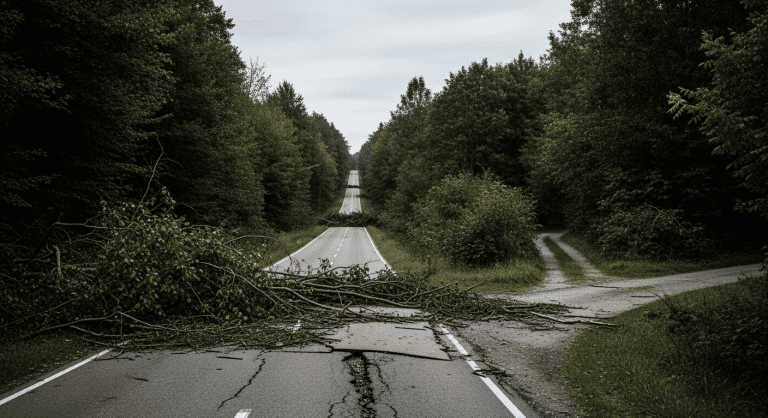

How to Recognize a Dead-End Relationship and When to Walk Away
Feeling stuck in a relationship that seems to go nowhere can be emotionally draining and confusing. If you’re asking “how to know if your relationship is dead-end”, it’s crucial to recognize the warning signs early. This guide will help you decode the signs of a dead-end relationship, understand what to do, and how to reclaim your happiness.
Understanding a Dead-End Relationship
A dead-end relationship is one where both partners are no longer growing together and often aren’t willing or able to move forward. Staying in such a relationship can drain your emotional wellbeing and hinder personal growth. Recognizing the signs can save you from wasting time and energy on a love that’s unlikely to progress.
Top Signs You’re Trapped in a Dead-End Relationship
Being aware of these signs can help you decide whether it’s time to walk away:
- Your partner won’t say “I love you” even after you’ve shared your feelings, indicating they might be unloving or too immature to commit.
- Zero interest in your daily life: They glaze over your stories, hobbies, or achievements, showing a lack of genuine engagement.
- Boundary violations: They trample or dismiss your reasonable boundaries without regard, a major red flag.
- Indifference to your departure: They seem unbothered or unaffected if you consider leaving, signaling emotional detachment.
- Obsession with an ex: Their fixation makes your bond feel fake, and they haven’t moved on mentally.
- Repetitive conflicts: You fight the same battles repeatedly with no resolution, indicating a lack of healthy communication.
- Peter Pan Syndrome: They refuse to grow up, commit, or seek stability, causing stagnation.
Recognizing these signs early can help you make the crucial decision to prioritize your emotional health and happiness.
Emotional Response and Urgency
Discovering that you’re in a dead-end relationship can evoke strong emotions like shock, betrayal, and frustration. The urgency to leave becomes clear when you realize that staying longer only risks deeper resentment, heartbreak, and diminished self-esteem. It’s vital to act swiftly, so resentment doesn’t fester and damage future relationships.
What To Do in a Dead-End Relationship
Step 1: Self-Assessment
Reflect honestly on your feelings and experiences. Ask yourself:
- Are my emotional needs being met?
- Do I see a future with this person?
- Am I continually sacrificing my happiness?
Step 2: Communicate Clearly
Have an honest conversation about your concerns. Use clear communication to express your expectations and feelings. Sometimes, issues stem from misunderstandings—other times, they highlight fundamental incompatibilities.
Step 3: Set Boundaries or Take a Break
If your partner dismisses your boundaries or shows no interest in resolving issues, consider taking a break. This allows both of you to reflect on the relationship’s viability.
Step 4: Decide to End or Continue
If signs persist despite honest communication, it’s time to consider leaving. Remember, staying does more damage than walking away. Prioritize your well-being and future happiness.
How to Effectively End a Dead-End Relationship
Breaking up can be difficult, but following these tips ensures a healthier process:
- Be clear and respectful: Avoid ambiguity and be honest about your reasons.
- Choose the right time and place: Opt for privacy and calm settings.
- Prepare emotionally: Expect a range of reactions and practice self-care.
- Avoid blame games: Focus on your feelings rather than pointing fingers.
For additional guidance, explore tips on moving on from a breakup.
Reclaiming Your Happiness Post-Breakup
After ending a dead-end relationship, focus on self-growth and healing:
- Reconnect with hobbies and passions.
- Spend time with supportive friends and family.
- Set new personal goals and priorities.
- Consider professional counseling if needed.
Remember, your future happiness is worth the effort. For inspiration on building healthier relationships in the future, visit expert relationship tips.
FAQs About Dead-End Relationships
1. What are the main signs of a dead-end relationship?
The main signs include lack of emotional intimacy, repeated conflicts without resolution, disregard for boundaries, lack of interest in your life, and emotional unavailability.
2. How do I know if I should stay or leave?
If your partner consistently dismisses your needs, shows no effort to improve, and you feel emotionally drained, it’s a strong sign to consider ending the relationship.
3. Can a dead-end relationship be saved?
Generally, if the fundamental issues are rooted in immaturity or unwillingness to change, it’s unlikely. However, honest communication and counseling can sometimes help, but only if both partners are fully committed.
4. What are common reasons people stay in dead-end relationships?
Fear of loneliness, hope for change, emotional dependence, or financial reasons often keep people stuck longer than they should.
5. What are the risks of staying too long in a dead-end relationship?
Prolonged emotional stress, lowered self-esteem, missed opportunities for healthier love, and potential for resentment are common risks.
Conclusion
Knowing how to identify a dead-end relationship is essential for safeguarding your mental and emotional health. If you recognize multiple signs discussed here, the best course of action is to prioritize your happiness and consider walking away. Remember, a healthy relationship should nurture and uplift you, not drain you.
Take actionable steps today to evaluate your relationship and, if necessary, begin your journey toward self-discovery and improved well-being. For additional insights into building fulfilling partnerships, explore relationship tips and resources.




0 Comments