



Comprehensive Guide to Birth Control Options and How They Can Work for You
If you’re exploring birth control options, you’re taking a proactive step toward managing your reproductive health. With so many methods available, it can feel overwhelming to choose the right one. This guide provides clear, practical information on various contraceptive options, their benefits, side effects, and how they might fit into your lifestyle. Whether you’re sexually active, planning for the future, or seeking emergency contraception, understanding your choices helps you make confident decisions.
Understanding the Different Categories of Birth Control Options
Hormonal Methods: Regulating Your Body’s Rhythms
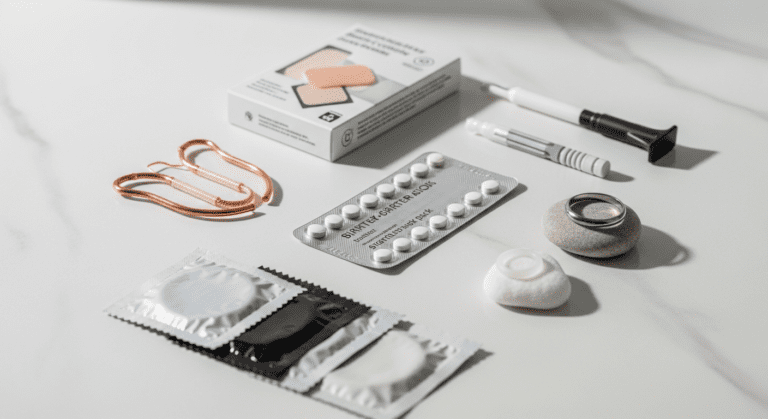
Hormonal contraception includes pills, patches, vaginal rings, injections, and implants. These methods work primarily by regulating hormones to prevent ovulation, which stops conception.
- Pills: Taken daily, they are effective but require consistency. Side effects may include mood swings, weight changes, or spotting.
- Patches: Worn weekly, these release hormones steadily and are convenient for those who forget daily medications.
- Vaginal rings: Inserted monthly, they provide hormonal release similar to pills but with less frequent action.
- Injections: Given every 3 months, they offer long-term protection but may cause weight gain or hormonal side effects.
- Implants: Subdermal rods inserted under the skin, providing long-acting contraception for up to 3-5 years with minimal maintenance.
Benefits include high effectiveness, cycle regulation, and non-daily use. Side effects vary by individual and should be discussed with a healthcare provider.
Barrier Methods: Protecting by Physical Means
This category includes condoms, diaphragms, and cervical caps. They act as physical barriers preventing sperm from reaching the egg.
- Condoms: The only method providing dual protection against pregnancy and STIs when used correctly and consistently.
- Diaphragms and cervical caps: Fitted devices used with spermicide, effective when used properly but require correct placement each time.
Barrier methods are generally hormone-free, making them suitable for those with sensitivities or health concerns regarding hormonal birth control.
Intrauterine Devices (IUDs): Long-Acting Reversible Contraception
IUDs are small devices inserted into the uterus, offering long-term protection — typically 3 to 10 years, depending on the type.
- Copper IUDs: Non-hormonal and effective, they can last up to 10 years and may cause heavier periods initially.
- Hormonal IUDs: Release progestin to thicken cervical mucus and suppress ovulation with fewer hormonal fluctuations. They last 3-7 years.
Inserting an IUD can cause some discomfort, and regular check-ups are advised. They are one of the most effective and low-maintenance options available.
Permanent Methods: For Long-Term Surety
Sterilization procedures like tubal ligation for women and vasectomy for men are considered permanent solutions.
- Tubal ligation: Surgically blocks or seals the fallopian tubes, preventing pregnancy.
- Vasectomy: Cuts or seals the vas deferens to prevent sperm from entering semen.
These options are highly effective but should only be considered if you’re certain about not wanting children in the future. Emotional readiness and consultation with healthcare providers are crucial.
Natural and Behavioral Methods: Embracing Lifestyle Choices
Methods like fertility awareness, withdrawal, and abstinence are less effective but can be part of a broader family planning strategy.
- Fertility awareness: Tracking ovulation through body signs to avoid pregnancy.
- Withdrawal: Removing the penis before ejaculation; risk of pre-ejaculate sperm makes this less reliable.
- Abstinence: Complete avoidance of pregnancy risk but requires commitment and planning.
While natural methods empower some, combining them with other methods improves effectiveness.
Emergency Contraception: Handling Unexpected Situations
Used post-intercourse, emergency contraception includes the morning-after pill and copper IUDs.
- Morning-after pills: Should be taken within 72 hours of unprotected sex for best results. They work by delaying ovulation.
- Copper IUDs: Can be inserted up to 5 days after unprotected sex and serve as emergency contraception, with high effectiveness.
Urgency and proper timing are critical to maximize conception prevention, so quick action is necessary.
How to Choose the Right Birth Control for Your Lifestyle
Selecting the ideal method depends on your health, lifestyle, future plans, and comfort with each option. A healthcare provider can help you weigh the benefits and risks based on your personal circumstances.
Consider:
- Your health history and existing medical conditions
- The need for convenience or long-term protection
- Side effects you’re willing to tolerate
- Your future desire for children
- Protection against sexually transmitted infections (STIs)
For tailored advice, consult your healthcare provider, and consider reading Planned Parenthood’s overview on birth control methods.
Addressing Cultural and Social Considerations
Access and perceptions of birth control vary globally, influenced by cultural, social, and economic factors. Advocacy for better education and healthcare equity remains essential to empower all individuals to make informed reproductive choices.
Summary and Actionable Takeaways
Choosing the right birth control options involves understanding your personal needs, health status, and future plans. From hormonal pills to long-acting IUDs and permanent procedures, there’s a wide range of methods designed to suit different lifestyles.
Always discuss with a healthcare provider before starting or changing contraception to ensure safety and effectiveness. Staying informed and proactive enables you to take control of your reproductive health confidently.
Frequently Asked Questions (FAQs)
1. Which birth control method is the most effective?
Long-acting reversible contraceptives like IUDs and implants are among the most effective, with effectiveness rates over 99%. Permanent sterilization procedures also boast high success rates.
2. Can I switch birth control methods later?
Yes. Most methods are reversible or interchangeable. Consult your healthcare provider to plan a safe transition and discuss any potential side effects or health considerations.
3. Are hormonal methods safe for everyone?
While hormonal contraceptives are generally safe, they may not suit individuals with certain health conditions. Always seek medical advice before starting new hormonal methods.
4. What should I do if I forget to take my pill?
Follow the instructions provided with your specific medication. Usually, taking it as soon as remembered and using backup contraception for a short period is recommended. Consult your healthcare provider for personalized guidance.
5. Is it possible to get pregnant while using barrier methods?
When used correctly and consistently, barrier methods like condoms and diaphragms are effective, but no method is 100%. Proper usage reduces the risk of pregnancy significantly.
Conclusion
Empowering yourself with knowledge about birth control options enables you to make informed decisions that align with your health, lifestyle, and future goals. Remember, no single method fits everyone, and ongoing communication with your healthcare provider ensures optimal choices. Stay proactive, well-informed, and confident in managing your reproductive health.
For more detailed information, visit CDC contraception resources or Mayo Clinic’s birth control options.




0 Comments