


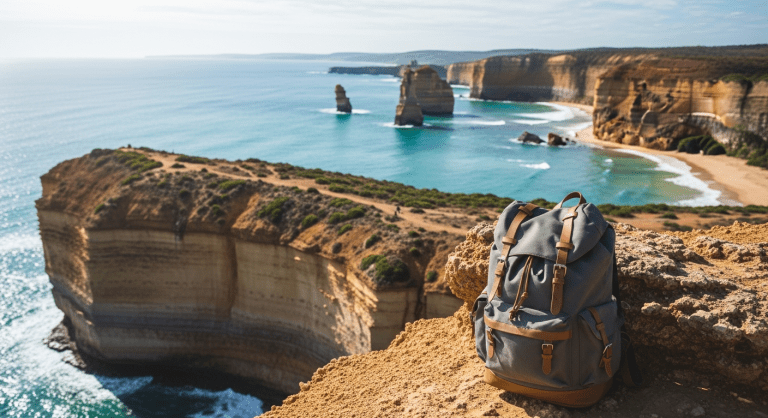

Ultimate Guide to Travel Budgeting for Young Adults Visiting Australia
Planning a trip to Australia on a budget can seem daunting, especially for young travelers aged 23-30. With stunning landscapes, vibrant cities, and unique wildlife, Australia offers unforgettable experiences. But knowing how to manage your finances ensures you enjoy your adventure without stress. This comprehensive guide provides actionable tips, tools, and strategies to help you effectively budget for your Australian trip, making it a memorable yet affordable journey.
Understanding the Basics of Travel Budgeting
Before diving into specific tips, it’s vital to understand the core components of travel budgeting. Your goal is to estimate all expenses and set a realistic spending limit.
- Transportation costs — flights, intercity buses, trains, car rentals
- Accommodation expenses — hostels, Airbnb, budget hotels
- Food & dining — groceries, eating out, street food
- Activities & attractions — tours, entrance fees, experiences
- Miscellaneous — souvenirs, mobile data, emergencies
Step-by-Step Travel Budgeting for Australia
1. Research flight options and find deals
Start by comparing flights from your home country to Skyscanner or Kayak. Flexibility with dates can save hundreds. Consider flying into major hubs like Sydney or Melbourne, which often have cheaper fares.
2. Choose budget-friendly accommodation
Avoid high-cost hotels; instead, explore Airbnb shared rooms or hostels. Websites like Hostelworld can help find affordable stays with good reviews.
3. Plan your daily expenses
Estimate your daily costs for food, transportation, and activities. On average, budget travelers spend about AUD 50-70 per day. Budget supermarkets like Woolworths and Coles are great for groceries, while local markets and food trucks offer affordable meals.
4. Maximize free and low-cost activities
Australia boasts stunning national parks and beaches often free to access. Popular free attractions include Sydney Harbour, Bondi Beach, and Great Ocean Road. Use sites like Australia.com for ideas on free activities.
5. Use budgeting apps for tracking
Apps like Trail Wallet or Expensify help monitor your spending in real-time, ensuring you stay within your limits.
Tips for Saving Money During Your Australia Trip
- Travel shoulder seasons — Spring (September-November) and fall (March-May) are less crowded and cheaper.
- Book in advance — Flights and accommodations are less expensive when reserved early.
- Use public transportation — Most cities have efficient buses, trams, and trains. Look for daily or weekly passes.
- Join free walking tours — Many cities offer guided tours that are tip-based, giving insight without high costs.
- Leverage city passes and discount cards — Such as the Sydney Pass or Melbourne City Card, which bundle popular attractions at a lower price.
Common Mistakes to Avoid When Budgeting for Australia
- Overestimating daily expenses — Be conservative but realistic in your estimates.
- Ignoring hidden costs — Extra baggage fees, attraction tickets, mobile data charges can add up.
- Failing to plan for emergencies — Always allocate at least 10% of your budget for unexpected costs.
Internal Links for Further Tips
FAQs About Travel Budgeting in Australia for Young Adults
1. How much money do I need for a two-week trip to Australia?
For a budget-conscious traveler, approximately AUD 1,200-1,800 should cover flights, accommodation, food, and activities for two weeks.
2. Is it cheaper to travel in Australia alone or in groups?
Group travel typically reduces accommodation and transportation costs, making it more affordable than solo trips.
3. Can I save money by using local transportation instead of rental cars?
Absolutely. Public transit is both cheaper and more sustainable. Many cities have comprehensive systems, and long-distance buses like Greyhound offer affordable options.
4. Are there free activities suitable for young travelers in Australia?
Yes. Beaches, national parks, cultural festivals, and city walking tours often have no admission fees, helping you enjoy Australia without extra costs.
5. What tools can help me stick to my budget?
Apps like Trail Wallet or Expensify make tracking expenses simple, keeping you accountable throughout your trip.
Conclusion: Smart Budgeting Ensures an Amazing Australian Adventure
Budgeting effectively for Australia allows you to experience its natural wonders and vibrant cities without financial stress. By planning carefully, choosing affordable options, and using smart tools, you’ll make the most of your trip within your means. Remember, the key is to balance savings with memorable experiences. For more detailed insights, explore our guides on solo female travel safety and budget solo travel.
Start planning today and turn your Australian dream trip into a reality without breaking the bank!
Related Post: Insurance 101: A Comprehensive Guide for Beginners




0 Comments