


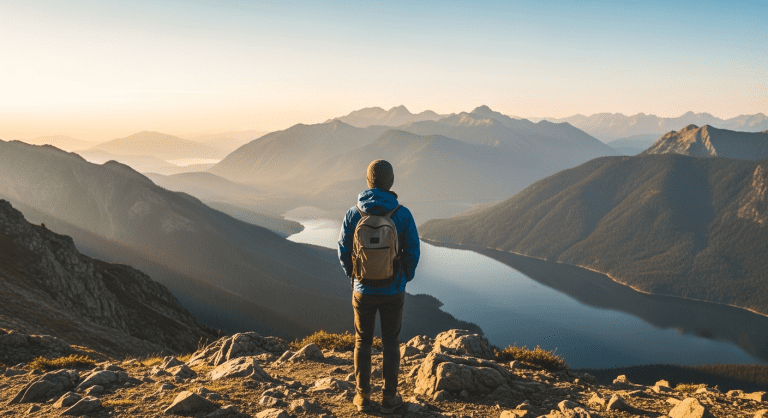

How to Plan a Budget-Friendly Solo Trip to Iceland
If you’re a young adult looking for adventure without breaking the bank, a solo trip to Iceland is an unforgettable experience. With the right planning, you can enjoy Iceland’s stunning landscapes, vibrant culture, and unique attractions while keeping your expenses under control. This step-by-step guide will help you organize your journey efficiently and make the most of your time and money.
Step 1: Set a Realistic Budget
Before anything else, decide how much you’re willing to spend. Include costs for flights, accommodation, food, transportation, activities, and a small emergency fund. Use budgeting apps like Mint to track your expenses and avoid overspending.
- Flights: Look for deals on budget airlines or use flight comparison tools.
- Accommodation: Consider hostels, guesthouses, or Airbnb for affordable stays.
- Food: Plan to cook some meals and try local street food for savings.
Step 2: Choose the Best Time to Visit
Traveling during the shoulder season (late spring or early autumn) can save you money and help you avoid crowds. Iceland’s weather is unpredictable, so pack layers and check forecasts regularly. This is also a great time for budget travel as prices for flights and lodging are lower.
Step 3: Book Affordable Flights and Transportation
Use flight search engines to compare prices and set fare alerts. Once in Iceland, public buses and shared shuttles are much cheaper than renting a car. For longer trips, consider regional flights or carpooling with other travelers.
- Compare prices on Skyscanner for the best deals.
- Use local bus services like Strætó for city and regional travel.
Step 4: Find Cheap and Safe Accommodation
Hostels are ideal for solo travelers, offering both affordability and opportunities to meet new people. Look for places with good reviews and secure facilities. Booking in advance can help you lock in lower rates, especially during peak seasons.
Step 5: Plan Your Itinerary Wisely
Focus on free or low-cost attractions like hiking trails, public hot springs, and city walking tours. Prioritize experiences that match your interests and budget. Don’t try to do everything—quality over quantity is key for a memorable trip.
- Visit the Blue Lagoon on a weekday for lower prices.
- Explore Reykjavik’s museums and galleries, many of which offer free entry days.
Step 6: Save on Food and Dining
Eating out in Iceland can be expensive. Shop at local supermarkets for snacks and ingredients, and cook meals in your accommodation. Try local favorites like hot dogs and fish soup from street vendors for a taste of Iceland without the high price tag.
Step 7: Stay Safe and Connected
Always let someone know your plans and check in regularly. Buy a local SIM card for affordable internet access and navigation. Download offline maps and emergency contacts for peace of mind.
Quick Tips & Tricks for Solo Travelers
- Carry a reusable water bottle to save money and reduce plastic waste.
- Join free walking tours to learn about local culture and meet fellow travelers.
- Use travel apps to find deals on activities and transportation.
- Stay flexible and open to spontaneous adventures.
Common Pitfalls to Avoid
Don’t overbook your schedule—leave room for rest and unexpected opportunities. Avoid tourist traps by researching attractions beforehand. Always check for hidden fees in bookings and activities.
Summary
Planning a budget-friendly solo trip to Iceland is all about smart choices and preparation. By setting a realistic budget, traveling during the shoulder season, booking affordable flights and accommodation, and focusing on free or low-cost experiences, you can enjoy an incredible adventure without overspending. Use these tips to make your journey safe, enjoyable, and memorable.


0 Comments