



The Most Effective Productivity Hack: Overcoming What You Least Want to Do
Productivity advice is everywhere—apps, hacks, to-do lists. But what if the best productivity hack is the one you least want to try? In this guide, we unpack the science and psychology behind this powerful approach, reveal exactly how to conquer cognitive overload, and share proven, step-by-step strategies you can use to start smashing your goals today.
Understanding the “Eat the Frog” Productivity Hack
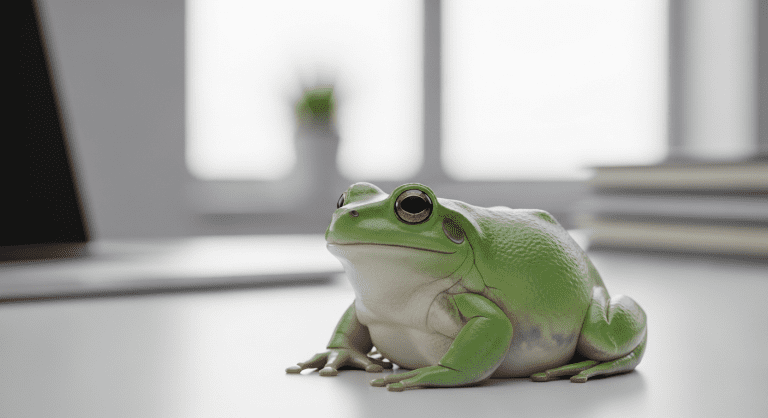
If you’ve ever heard someone say “Eat the frog,” they’re talking about tackling your most difficult or dreaded task first. The idea comes from Mark Twain, who suggested that if you start your day by doing the hardest thing, nothing worse can happen for the rest of the day.
Why We Avoid Our Hardest Tasks
- Fear of failure
- Uncertainty about where to start
- Cognitive overload (too many simultaneous demands)
- Immediate tasks feel easier and more satisfying
Unfortunately, dodging high-impact work leads to stress, guilt, and a cycle of procrastination.
The Science: Cognitive Load, Decision Fatigue, and Motivation
Research on cognitive load shows that the more decisions and tasks we juggle, the quicker our brains tire. When you start with less meaningful jobs, you chip away at your mental energy and leave little for what truly matters.
Tackling your hardest task first leverages your freshest mental resources, sets a positive tone, and builds momentum. This technique also helps reduce overall decision fatigue and anxiety across your day.
How to Implement the Most Effective Productivity Hack
Here’s a proven system to break the cycle of avoidance and supercharge your productivity:
- Identify Your “Frog”
At the end of each workday, list your tasks for tomorrow. Put a star next to the one thing you least want to do but that matters most. - Schedule It—First Thing
Block time for this task within your first 1–2 hours at work or after waking. Don’t let meetings or emails jump the queue. - Minimize Distractions
Silence your phone, close extra browser tabs, and set boundaries with colleagues or family. - Break It Into Micro-Steps
If it feels overwhelming, chunk the task into 10–20 minute pieces (e.g. outline the report, open the spreadsheet, draft the intro). - Reward Yourself
After you complete your hardest task, celebrate—coffee break, short walk, or a quick chat with a friend.
You’ll find more on practical routines in our guide on simple daily self-care habits.
How This Hack Reduces Cognitive Overload and Burnout
Cognitive overload happens when your brain is bombarded with too many open loops. The “eat the frog” technique helps:
- Free up mental space for the rest of the day
- Reduce decision anxiety
- Lower stress by tackling what matters most
- Promote clear focus and better time management
For more strategies on optimizing your workload, read our feature on 21 productivity habits.
Common Mistakes—and How to Fix Them
- Overcomplicating Your List: Too many priorities water down your focus. Stick to 1–3 “frogs” maximum per day.
- Letting Small Tasks Creep In: Responding to emails or quick wins first drains your strongest attention.
- Not Scheduling the Task: If it’s not in your calendar, it remains wishful thinking.
- Beating Yourself Up: Progress, not perfection. If you miss a day, start fresh tomorrow.
Learn more about avoiding common productivity pitfalls in our article: 22 Must-Follow Productivity Blogs for 2025.
Alternative Approaches When Stuck
Not every “frog” can be eaten in one sitting. Here are some alternate productivity techniques:
- Pomodoro Technique: 25-minute sprints, then a 5-minute break
- Time Blocking: Assign tasks to set calendar slots
- Accountability Buddy: Share your goal with a friend or coworker
- Energy Mapping: Schedule tough tasks for your peak focus periods
Each technique lets you reduce avoidance and maintain steady progress toward bigger goals.
Expert Quotes and Authority Resources
Dr. Tim Pychyl, leading researcher on procrastination at Carleton University, explains, “Most often, avoidance is about emotion regulation, not time management. If you start with the tough tasks, you actually build willpower and confidence over time.”
For more on why your brain resists hard work (and proven ways to change this), check out this research paper and Harvard Health’s anti-procrastination strategies.
Frequently Asked Questions (FAQ)
What is the “eat the frog” method and how does it work?
“Eat the frog” means starting your day by tackling the task you most want to avoid. By doing this first, you leverage your best focus and reduce the mental energy spent worrying about it.
How can I beat procrastination with this productivity hack?
Identify your most important, intimidating task daily. Block dedicated time first thing. Break it into micro-steps, minimize distractions, and reward yourself after completion.
Does this method work for people with ADHD or executive functioning challenges?
Yes, but it may require extra structure, like visual reminders or accountability check-ins. Pairing this hack with proven ADHD techniques (such as time-blocking or external rewards) helps maximize its effectiveness.
What if my “frog” takes several days?
Break the task into parts you can complete in a single sitting. Each day, tackle one part as your “frog.”
How does this hack help with cognitive overload and stress?
By removing your most stressful task early, you free up working memory and focus, reducing overall stress throughout the day.
Conclusion: Take Action Today
The most effective productivity hack is deceptively simple: do the thing you least want to do, first. Whether it’s a tough email, a messy spreadsheet, or making an uncomfortable call, tackling it early frees your brain, boosts confidence, and changes the trajectory of your entire day.
- List your top task—the “frog”—right now
- Block off the first part of your morning to do it
- Celebrate your win and enjoy momentum for the rest of your day
Ready for more science-backed tips? Discover additional strategies in our posts on 21 Productivity Habits or boost your workflow with top productivity blogs for young adults.
For deeper learning, see APA’s cognitive overload resources and Psychology Today’s procrastination science.




0 Comments