



How to Boost Your Brain Health Naturally: The Ultimate Guide for Young Adults
Maintaining optimal brain health is essential for productivity, mental clarity, and overall well-being, especially for young adults juggling careers, studies, and personal life. With the rise of mental fatigue and cognitive decline concerns, learning natural strategies to enhance brain function has never been more relevant.
Understanding Brain Health and Its Importance
Your brain is the control center of your body, responsible for thought processes, memory, emotional regulation, and decision-making. Healthy brain function allows you to perform daily tasks efficiently and adapt to new challenges. Conversely, poor brain health can lead to memory issues, decreased focus, and increased stress.
Key Factors Affecting Brain Health in Young Adults
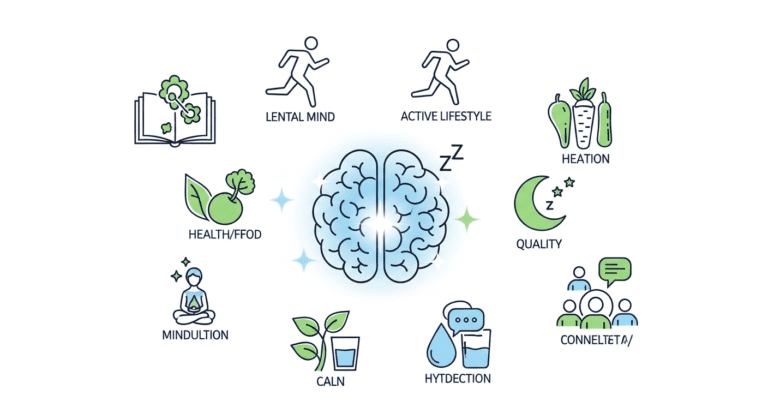
- Sleep quality: Essential for memory consolidation and mental clarity.
- Nutrition: Brain-boosting foods provide necessary nutrients for cognitive function.
- Physical activity: Improves blood flow and stimulates neural growth.
- Stress management: Chronic stress impairs cognitive processes.
- Mental stimulation: Challenges like learning new skills keep the brain agile.
- Social engagement: Interpersonal interactions enhance emotional and cognitive resilience.
Natural Strategies to Improve Brain Health
1. Prioritize Quality Sleep
Sleep is the foundation of brain health. Aim for 7-9 hours of uninterrupted sleep per night. Use tools like meditation or natural sleep remedies to enhance sleep quality and establish a consistent bedtime routine.
2. Nourish Your Brain
Consume a diet rich in antioxidants, omega-3 fatty acids, and vitamins. Foods like fatty fish (salmon, mackerel), walnuts, blueberries, and leafy greens support cognitive health. Consider adding supplements like omega-3s if necessary.
3. Stay Physically Active
Regular exercise boosts blood flow to the brain, promotes neurogenesis, and reduces stress. Incorporate at least 150 minutes of moderate activity weekly, such as brisk walking, cycling, or yoga. Use apps or trackers to stay motivated.
4. Manage Stress Effectively
Chronic stress damages neurons and impairs memory. Practice mindfulness, meditation, or deep breathing exercises daily. Tools like guided meditation can significantly lower stress levels.
5. Engage in Mental Stimulation
Challenge your brain with new skills or hobbies, such as learning a language, playing chess, or coding. Scientific studies show that mental activity creates new neural pathways, promoting plasticity and resilience.
6. Foster Social Connections
Maintaining relationships enhances emotional well-being and cognitive resilience. Join clubs, online communities, or local meetups to stay socially active.
Additional Tips for Optimizing Brain Function
| Tip | Details |
|---|---|
| Limit screen time | Reduce exposure to blue light, especially before bedtime, to prevent sleep disruption. |
| Hydrate adequately | Dehydration impairs concentration; drink at least 8 cups of water daily. |
| Use nootropics cautiously | Natural supplements like ginkgo biloba or Bacopa monnieri may support cognition, but always consult a healthcare professional. |
Common Mistakes to Avoid
- Neglecting sleep in favor of late-night screen usage.
- Fad diets lacking essential nutrients.
- Overcommitting mentally without breaks.
- Ignoring stress symptoms—lead to burnout.
Frequently Asked Questions (FAQs)
Q1: Can I improve my brain health naturally at any age?
Yes, adopting healthy habits like proper nutrition, sleep, and exercise benefits everyone, especially young adults aiming to optimize cognitive function.
Q2: Are natural supplements effective for brain health?
Some supplements like omega-3 fatty acids, ginkgo biloba, or Bacopa may support cognition. However, their effectiveness varies, and consulting a healthcare provider is recommended.
Q3: How long does it take to see improvements in brain health?
Results vary based on individual habits, but consistent efforts over weeks to months can lead to noticeable cognitive enhancements.
Q4: Is stress management critical for brain health?
Absolutely. Chronic stress impairs cognitive functions; stress reduction techniques are vital for maintaining and improving brain health.
Q5: How can I make learning new skills easier on my brain?
Break down skills into manageable steps, stay consistent, and incorporate mental exercises regularly. Using apps or online courses can facilitate consistent practice.
Conclusion
Enhancing brain health naturally is a comprehensive process that involves sleep, nutrition, physical activity, stress management, and mental stimulation. By making these habits a part of your daily routine, you can boost your cognitive resilience, improve memory, focus, and overall mental clarity. Remember, small consistent changes yield long-term benefits. For more insights on personal development, visit our main blog.
Actionable Takeaways
- Prioritize 7–9 hours of quality sleep each night.
- Incorporate brain-healthy foods into your diet regularly.
- Engage in physical activity at least thrice a week.
- Practice mindfulness or meditation daily to reduce stress.
- Challenge yourself with new hobbies and learning opportunities.
- Maintain strong social connections.




0 Comments