


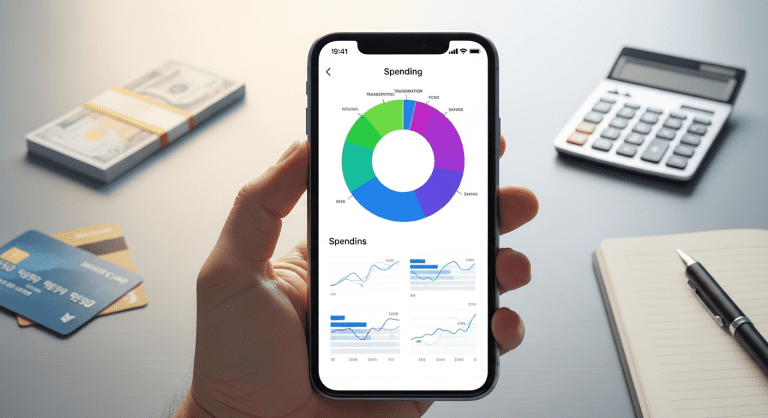

How to Use Personal Finance Apps for Better Budgeting: A Step-by-Step Guide for Young Adults in the USA (2025)
Managing your money has never been more accessible. With personal finance apps revolutionizing budgeting, more young adults in the USA are mastering their finances right from their smartphones. This step-by-step tutorial will show you how to harness these apps for efficient budgeting, featuring practical examples, expert advice, and common mistakes to avoid.
Why Personal Finance Apps Are Trending in 2025
- Mobile-first budgeting: 6 out of 10 users now prefer apps to desktop sites for managing money, mainly for convenience and access to real-time data.
- Security improvements: Open banking and enhanced cybersecurity measures have made finance apps safer than ever before.
- Integration with other financial tools: Many apps now offer links to investing, credit monitoring, and even bill negotiation services, making them a one-stop financial solution.
Read more
Step 1: Choose the Right App
Start by selecting a finance app that aligns with your needs. Popular options like Square’s Cash App, Mint, and YNAB (You Need a Budget) cater to different preferences—whether you want simplicity, advanced tracking, or hands-on budgeting.
- Look for low fees and easy bank integration.
- Prioritize apps with strong user reviews and up-to-date security features.
- Consider apps that allow goal-setting and spending insights for better planning.
Step 2: Set Up Your Budget
Once your app is downloaded, connect your bank accounts and credit cards. Most apps will automatically categorize your spending and suggest a starting budget.
- Allow the app to import transactions from checking, savings, and credit accounts.
- Review each expense category the app creates—edit them for clarity if needed.
- Set monthly spending limits for categories like groceries, transportation, and entertainment.
Step 3: Track and Adjust As You Go
Check the app regularly—ideally once a week. Most apps offer notifications for bills, low balances, or when you’re close to a spending limit. This helps you avoid overspending and adjust as needed.
- Use the app’s reports to spot trends—are you spending more than planned on food delivery?
- Create and adjust savings goals for emergencies or big purchases.
- If you have a partner or roommates, try apps that support shared budgets for easier group expense management.
Step 4: Take Advantage of App Features
Leading apps let you do more than just budget. Explore features such as:
- High-yield savings account integration—earn more on your unspent cash.
- Bill negotiation—some apps can help you lower subscription costs.
- Investment tracking and automation—easily monitor and grow your money.
See practical ways to use these features
Expert Tips and Common Pitfalls
- Tip: Use apps with automated alerts to stay on top of deadlines and avoid late fees.
- Tip: Periodically review and update spending categories to reflect your real habits.
- Common Pitfall: Ignoring the app once set up. Scheduling weekly check-ins ensures you remain proactive with your budget.
- Common Pitfall: Overcomplicating your budget with too many subcategories. Start simple and refine over time.
Summary
Personal finance apps can transform how young adults in the USA manage their money in 2025. By choosing the right app, setting up a realistic budget, tracking your spending, and making use of advanced features, you’ll take control of your financial future with confidence. Stay active, keep adjusting your plan, and your smartphone will quickly become your most powerful budgeting tool.


0 Comments