


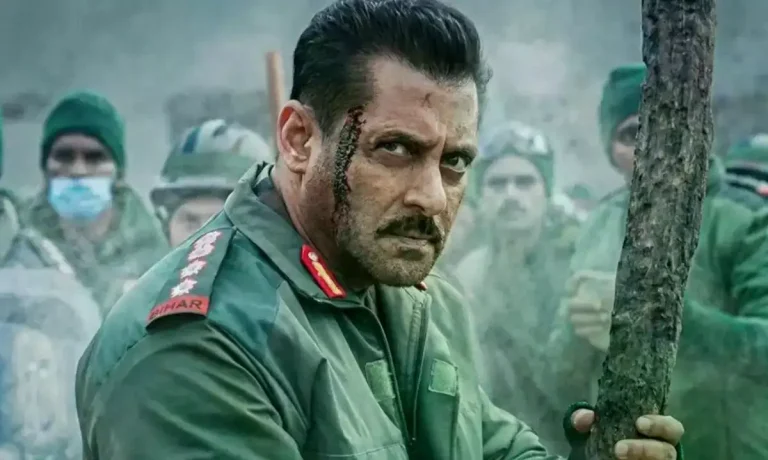

Battle of Galwan Film Controversy: How Bollywood’s Latest Release Rekindles India-China Tensions
The Battle of Galwan film controversy is making headlines across India and China, sparking heated debates about historical accuracy, nationalism, and the fragile peace along one of Asia’s most sensitive borders. As Bollywood’s take on the 2020 Galwan Valley clash hits the screens, both film buffs and geopolitics watchers are asking: Is this movie fueling division just as both nations seek to thaw tensions? This article unpacks the facts, critiques, and implications—so you get a clear, balanced view on why this film matters for regional stability.
What is the ‘Battle of Galwan’ Film and Why Is It Controversial?
Released in late December 2025, the Indian Bollywood film Battle of Galwan dramatizes the June 2020 clash between Indian and Chinese troops in the remote Galwan Valley. The incident, which left 20 Indian soldiers dead (China’s casualties remain undisclosed), marked the most serious military standoff between the two countries in decades.
The controversy centers on the film’s approach: presenting a one-sided Indian perspective that many critics, including the Chinese government, say distorts historical facts and risks stoking public hostility just as leaders on both sides celebrate new agreements for de-escalation.
Key Facts About the 2020 Galwan Valley Clash
- Date: June 15-16, 2020
- Location: Galwan Valley, Ladakh (disputed Indo-China border)
- Casualties: 20 confirmed Indian fatalities; China refuses to release official figures
- Triggers: Disagreements over troop positions, construction, and border protocols
For background on recent India-China border resolutions, read this detailed timeline.
Timing Concerns: Release Amid Signs of Diplomatic Thaw
The film’s launch comes at a particularly sensitive moment. Indian and Chinese troops recently exchanged greetings and candies at the border—a long-standing tradition to mark goodwill during festivals and holidays. Several rounds of military and diplomatic talks in late 2025 have led to partial disengagement and renewed border protocols.
This softening in relations is welcomed internationally, reflecting a hard-won consensus after years of mistrust since the 2020 clash. However, the Battle of Galwan movie risks derailing this fragile peace with its emotionally charged and nationalistic narrative.
For additional perspective on China’s 2025 diplomatic strategy and neighborhood relations, see Global Times Opinion and this Global Times yearender.
Chinese Embassy Response: Strong Words Against ‘Battle of Galwan’
Both the Chinese Embassy in New Delhi and the Embassy in Islamabad posted statements on their WeChat accounts in late December 2025. They called the film’s timing and theme “inappropriate,” warning that it could “mislead the public, escalate hostility, and undermine the evolving positive atmosphere in border negotiations.”
- Chinese officials condemned the film for distorting facts and romanticizing conflict.
- Beijing hinted at possible diplomatic pushback if media narratives threaten peace talks.
- Indian officials and filmmakers have yet to issue formal replies, but domestic audiences are split between support for the film’s patriotic tone and criticism for inflaming old wounds.
Major Concerns: Why the Film Risks Derailing Bilateral Progress
1. Revives Past Hostilities
The Battle of Galwan dramatizes traumatic events that are still raw for both militaries and their families. The portrayal of China as the sole aggressor arguably simplifies a much more complex situation, likely fueling anger, especially among younger viewers inexperienced with the wider context.
2. Threatens Diplomatic Gains
Just as New Delhi and Beijing move toward resolving key border disputes, culturally significant films wield enormous power in shaping public opinion. A perceived attack via cinema could trigger retaliatory media coverage and social media outrage across both nations, making future negotiations politically riskier.
3. Impacts People-to-People Exchanges
Academic, tourism, and business links—already thin due to border suspicions—may suffer setbacks if public sentiment turns hostile. This hinders any hope for long-term normalization, impacting not just geopolitics but also economic and cultural ties.
Bollywood and Border Stories: Why Cinema Matters in Geopolitics
Bollywood films carry enormous cultural influence in India and the broader South Asian region. Historical dramas or war movies like “Uri,” “Border,” and now “Battle of Galwan” often blend patriotic fervor with entertainment, appealing to nationalist audiences. However, they also risk inflaming tensions if facts are sensationalized.
- Previous such films have drawn diplomatic protests, but few have coincided so directly with diplomatic breakthroughs as ‘Battle of Galwan’.
- Filmmakers defend such projects as artistic expression, while critics underline the need for sensitivity when recent wounds are yet to fully heal.
For more thoughtful analysis on cinema and political storytelling, you might explore movie trends that influence both society and international relations in the South Asia region.
What Makes the ‘Battle of Galwan’ Film Stand Out in 2025?
- Release coincides with visible India-China border de-escalation steps
- Receives high-profile condemnations from official Chinese embassies
- Generates fierce debates on social media about nationalism, truth, and responsibility
- Sparks fresh calls for responsible filmmaking in politically sensitive domains
Long-Tail Keyword Questions Addressed
- Does the Battle of Galwan Bollywood film distort facts about the Galwan Valley clash?
Many experts argue that it takes creative liberties to favor the Indian narrative, potentially at the cost of diplomatic and factual accuracy. - What was the Chinese embassy response to the Battle of Galwan film?
Official statements harshly criticized the “inappropriate” timing, warning of its danger to hard-won peace efforts. - How does the Galwan Valley movie affect India-China border resolutions in 2025?
By reigniting public anger, the movie could undermine recent troop disengagements and slow down further progress in talks.
People Also Ask: FAQs
Is the Battle of Galwan film based on true events?
Yes, the movie is inspired by the real 2020 Galwan Valley clash between Indian and Chinese troops. However, both critics and the Chinese government argue it dramatizes and distorts key facts for nationalistic effect.
Why is the Battle of Galwan film so controversial?
Its release closely follows positive diplomatic breakthroughs between the two countries, raising concerns that it will provoke public outrage, and maybe even derail peace talks through its one-sided storytelling.
How have China and India responded officially?
China (via embassy statements) has condemned the film, while India’s government has remained officially silent. Social media debates in both countries are intense, revealing sharply differing interpretations.
Will the film affect India-China relations?
If the controversy escalates, it could create new diplomatic friction and revive hostile attitudes, especially on social media and in border communities.
Has Bollywood made similar films before?
Yes, Bollywood has a tradition of dramatizing real-life conflicts, often portraying them from an Indian-centric perspective. But few have sparked as much official international criticism at such a sensitive diplomatic juncture.
Conclusion: The Real Stakes of the Battle of Galwan Film Controversy
The Battle of Galwan film controversy is more than just a newsworthy Bollywood release—it’s a real-time test of how culture, memory, and politics interact in a volatile geopolitical landscape. As India and China work to resolve border disputes and start rebuilding trust, filmmakers, policymakers, and audiences alike must weigh the price of stirring old grievances against the hope for future peace.
For readers tracking high-impact international news, see related topics on leadership and credibility, explore political controversies, or check the human side of global headlines.
For authoritative briefings, international viewpoints, and policy deep-dives, refer to the following trusted sources:
- Galwan film controversy – Global Times
- Global Times Yearender 2025
- Global Times Opinion
- China’s neighborhood diplomacy – Manila Times
Takeaway: The way history is told on screen can either heal or inflame. Both viewers and creators have a responsibility when real-life peace is at stake.




0 Comments