


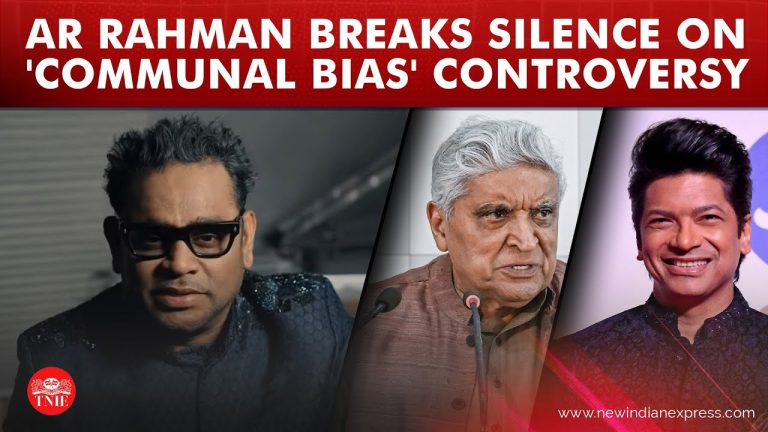

AR Rahman’s Bollywood Controversy: Understanding the Communal Bias Allegation and Its Aftermath
Oscar-winning composer AR Rahman recently sparked a significant debate within India’s entertainment industry with his comments on alleged power shifts and communal biases affecting Bollywood projects. This article explores the controversy, clarifies Rahman’s stance, examines industry reactions, and discusses the impact on Indian cinema’s inclusivity and meritocracy.
What Led to AR Rahman’s Controversial Remarks?
In a candid BBC Asian Network interview, AR Rahman suggested that a “power shift” within Bollywood might be behind the reduced number of Hindi film projects he has received over the past eight years. He hinted at “non-creative” individuals influencing casting and project decisions based on communal biases, indirectly through “Chinese whispers” about cancellations and booking issues.
Rahman emphasized that he does not chase work and prefers to avoid insincere, politically motivated projects. He referenced his work on Chhaava, despite its controversial reception, trusting that audiences can discern truth through their “internal conscience.”
Industry and Public Reactions to Rahman’s Comments
Supporters’ Perspectives
- Shaan, a prominent singer, stated that music in India has no “communal or minority angle” and that preferences are personal, not biased.
- Javed Akhtar argued that Bollywood’s reluctance to cast certain artists is driven by industry dynamics, such as popularity and commercial traction, rather than bias or prejudice.
The Backlash and Clarification
On January 18, 2026, Rahman responded with a video clarification. He expressed that his remarks were “misunderstood”, reaffirmed his love for India and its culture, and highlighted music’s unifying role across communities.
He said, “India is my inspiration, my teacher, and my home,” denying any intention to cause pain or spread communal bias. This statement aimed to quell the rising controversy and reassure fans and industry insiders of his neutral stance.
Decoding the Reality Behind Bollywood’s Casting and Project Decisions
According to industry insiders and credible sources, hiring practices in Bollywood are primarily based on factors like:
- Popularity– How well a project is received at the box office
- Audience traction– Engagement and cultural resonance
- Financial viability– Budget management and profit expectations
While ethical concerns about bias do exist, most casting decisions are aligned with market demands rather than communal considerations. It is important to differentiate between individual opinions and systemic industry practices.
For an in-depth understanding of how Bollywood’s casting works, explore this comprehensive guide.
What Does This Mean for Indian Cinema’s Inclusivity?
This controversy underscores ongoing debates about **meritocracy versus bias** in Indian entertainment. It brings to light whether industry gatekeeping, social biases, or indirect communal preferences influence casting and project opportunities.
Recognizing that Bollywood is a complex ecosystem, promoting inclusivity involves:
- Encouraging transparency in casting decisions
- Fostering equal opportunities for artists from diverse backgrounds
- Addressing societal biases that seep into creative industries
While Rahman’s comments touched a sensitive nerve, they also open a broader conversation about ensuring **fairness** and **diversity** in Indian film industry practices.
FAQs on AR Rahman and Bollywood Communal Bias Debate
1. Did AR Rahman accuse Bollywood of communal bias?
No, Rahman suggested that some power shifts and indirect influences might be affecting project offers, but he clarified that he did not accuse the industry of systemic bias. His remarks implied a nuanced view rather than direct blame.
2. How did industry figures respond to Rahman’s remarks?
Industry veterans like Shaan and Javed Akhtar defended the industry, attributing project decisions to popularity and financial factors, not communal bias. They emphasized that Bollywood mainly hires based on merit and market demands.
3. Has AR Rahman’s reputation been affected?
While initial reactions were mixed, Rahman’s clarification video aimed to restore his image, reaffirming his love for India and his focus on music’s unifying power.
4. What can industry stakeholders do to promote inclusivity?
Transparency in casting, promoting diverse talent, and addressing societal biases directly can help create a more equitable environment in Bollywood and beyond.
5. How does this controversy impact Indian cinema’s future?
It highlights the need for ongoing dialogue about bias, merit, and representation, encouraging more open discussions and policies that foster diversity and fairness.
Conclusion: Navigating Bias, Merit, and Artistic Unity
The AR Rahman controversy serves as a pivotal moment for Indian cinema. It questions the integrity of casting and project choices while emphasizing the importance of transparency and inclusivity. Rahman’s sincere clarifications and widespread industry support point toward a collective aspiration for a fairer, more merit-based entertainment landscape.
As fans and industry players, fostering open conversations about bias and diversity remains crucial. The future of Bollywood depends on embracing its rich cultural tapestry and ensuring that talent, not prejudice, defines opportunity.
For further insights on related topics, explore articles like building healthy relationships and attracting genuine talent.




0 Comments