


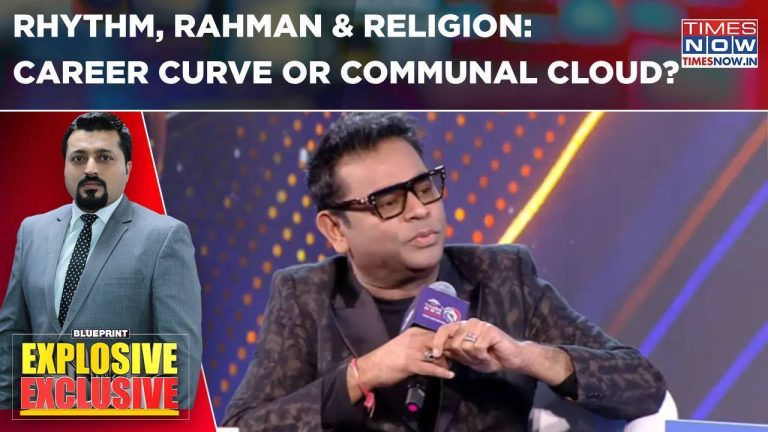

AR Rahman Bollywood Communal Bias: The Truth Behind His Controversial Remarks
The recent comments made by Oscar-winning composer AR Rahman about Bollywood’s alleged bias and his career struggles have sparked widespread debate. As one of India’s most iconic musicians, Rahman’s frank admission of a career slowdown and hints of communal bias have caught the industry and fans off guard. This article delves into the details of his statements, the industry context, and what it means for Bollywood’s reputation today.
Understanding AR Rahman’s Background and Career Trajectory
AR Rahman, renowned worldwide for his innovative music, first rose to prominence with hits like Roja (1992) and Bombay (1995). Despite initial hurdles, he became a mainstream name after the success of Taal (1999) by Subhash Ghai, which saw him learning Hindi, Urdu, Arabic, and Punjabi to better serve the Bollywood industry. Over the decades, Rahman crafted numerous chartbusters and earned international acclaim.
However, despite his global recognition, Rahman’s journey in Bollywood has not been without challenges. In recent years, he expressed feeling like an outsider, with fewer projects offered to him, reflecting possible shifts in industry power dynamics.
The Controversial Remarks: What Did AR Rahman Say?
Key Points from the BBC Interview
In an interview around January 2026, Rahman revealed that his involvement in Bollywood had significantly declined over the past eight years. He suggested this was due to a shift in power towards “non-creative” individuals and hinted at communal biases affecting project allocations. Rahman observed that despite his contributions, new projects were often assigned to others, and he criticized a recent film, Chhaava, for creating division.
He also mentioned he learned multiple languages to better integrate into Bollywood’s evolving landscape, emphasizing his dedication to Indian music and culture.
Reactions and Backlash from Industry Personalities
Rahman’s candid comments prompted a variety of reactions:
- Shobhaa De, called the remark “dangerous,” asserting that Bollywood has become free of communal bias after 50 years.
- Shaan dismissed it as a personal issue, not communal.
- Javed Akhtar clarified there was no communal element involved and expressed respect for Rahman.
- Kangana Ranaut lambasted Rahman, claiming he was “prejudiced and hateful,” alleging he refused to work on Emergency because of propaganda concerns.
Rahman responded on January 18, 2026, via Instagram, reaffirming his love for India and music’s role in uniting people. He highlighted projects like the Secret Mountain band and his collaboration with Hans Zimmer on Ramayana.
The Larger Context: Bollywood, Bias, and Cultural Shifts
Rahman’s remarks have ignited a broader conversation about inclusivity, meritocracy, and communal bias in Bollywood. Many industry insiders acknowledge that power sometimes resides with certain groups, influencing project assignments, casting, and net worth. The debate is further fueled by recent changes in societal and political discourse around identity and culture in India.
While some see Rahman’s comments as a manifestation of genuine industry issues, others perceive it as a reflection of ongoing tensions within Indian cinema regarding representation and fairness.
Experts suggest that industry dynamics are complex, often driven by commercial interests, personal networks, and evolving cultural narratives. Addressing these issues requires transparent dialogue and commitment to meritocracy.
What This Means for Bollywood and Its Future
The controversy presents an opportunity for Bollywood to examine its inclusivity and creative freedoms. It raises questions about:
- Are talented artists being sidelined due to bias?
- How can the industry promote true meritocracy?
- What role does cultural diversity play in the future of Indian cinema?
Industry stakeholders must consider reforms that foster a more open, unbiased environment, encouraging diverse voices and creative expression.
Frequently Asked Questions (FAQs)
1. Is AR Rahman promoting communal bias in Bollywood?
No, Rahman’s comments are his personal observations about industry dynamics and his experiences. He clarified that he respects all communities and India as a whole.
2. Has Bollywood become less inclusive in recent years?
Many industry insiders acknowledge shifts in project allocations and representation, but the extent varies. The debate about bias continues ongoing reforms.
3. How can Bollywood address issues of bias and discrimination?
By implementing transparent selection processes, promoting diverse talent, and fostering open discussions about fairness and meritocracy.
4. Will AR Rahman’s career recover from this controversy?
His reputation remains intact among fans and peers. His cultural influence and musical recognition continue to be significant, regardless of recent debates.
5. Are there other examples of bias affecting artists in Bollywood?
Yes, several artists and filmmakers have voiced concerns about social and cultural biases influencing opportunities and recognition in Indian cinema.
Conclusion: The Path Forward for Indian Cinema
AR Rahman’s candid remarks have reignited a vital conversation about industry fairness and cultural inclusivity. While some reactions have been defensive, the debate underscores the need for ongoing reform, transparency, and respect for diverse talent in Bollywood. Addressing biases is essential for nurturing authentic creativity and maintaining India’s global reputation in the arts.
As Bollywood navigates this sensitive terrain, embracing change and open dialogue will be crucial for building a more inclusive future where talent wins regardless of background.
For more insights on Bollywood industry dynamics, visit this guide or explore relationship-building tips relevant to industry collaborations.




0 Comments