



How Long Do Condoms Last? A Complete Guide to Condom Shelf Life and Safety
Understanding how long do condoms last is essential for ensuring safe and effective protection during sexual activity. Many people overlook the importance of checking expiration dates, storage conditions, and material differences, which can significantly impact condom performance. This comprehensive guide will clarify everything you need to know about condom shelf life, storage tips, and the risks associated with expired condoms.
Why Is Knowing Condom Shelf Life Important?
Condom effectiveness depends heavily on their proper use and storage. Using a condom past its expiration date or improperly stored can lead to breakage, reduced reliability in preventing pregnancies, and increased risk of sexually transmitted infections (STIs). Recognizing how long condoms last helps you make informed choices and maintain sexual health.
What Is the Typical Shelf Life of Condoms?
latex condoms
Latex condoms are the most common type and typically have a shelf life of about 3 to 5 years when stored correctly. Their durability depends on maintaining proper storage conditions and avoiding exposure to elements that can accelerate degradation.
polyurethane condoms
Polyurethane condoms tend to have a slightly shorter shelf life, generally around 2 to 3 years. These are a good alternative for those with latex allergies but require careful storage to maximize their lifespan.
lambskin condoms
Contrary to latex and polyurethane, lambskin condoms are more fragile, do not protect against STIs, and often have a shorter expiry span, typically 1 to 3 years. They are primarily used for pregnancy prevention alone.
How to Find and Read Condom Expiration Dates
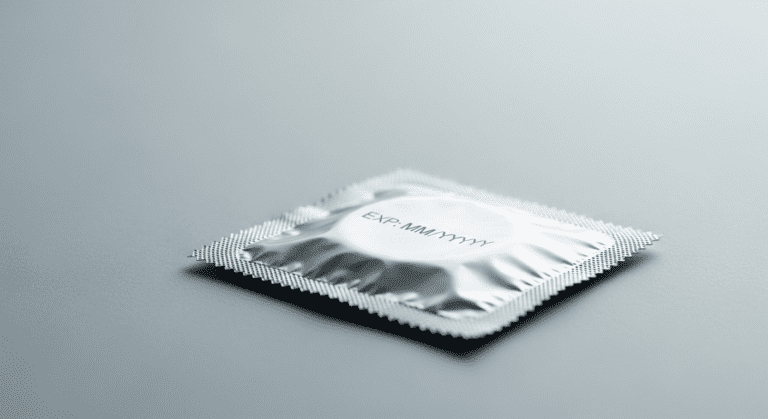
Condoms come with expiration dates printed clearly on the packaging, often near the barcode or on the wrapper. Always check this date before use. Ignoring it can lead to unexpected breakage and reduced effectiveness.
- Look for the printed expiration date on the foil wrapper or box.
- Discard condoms that are past their expiry, even if they appear unused.
- Replace your supply regularly to ensure safety and reliability.
Factors That Accelerate Condom Degradation
Storage Conditions
Proper storage greatly extends condom life. Conversely, poor conditions can deteriorate them faster. Avoid storing condoms in:
- Wallets or pocket compartments – heat and friction cause weakening.
- Car glove compartments – exposure to heat fluctuates and accelerates deterioration.
- Bathrooms or humid areas – moisture can weaken material integrity.
Material Differences and Their Impact
Understanding the material composition helps in choosing the right condom for safety and longevity:
- Latex offers durability but can degrade with improper storage.
- Polyurethane is thinner, often more heat-sensitive, but compatible with oil-based lubricants.
- Lambskin is fragile and not recommended for STI protection.
Tips to Maximize Condom Shelf Life
- Store condoms in a cool, dry place away from direct sunlight and heat sources.
- Keep them in their original packaging until use.
- Avoid storing multiple condoms in the same wallet or glove compartment for extended periods.
- Check expiration dates regularly, especially before use.
- Buy condoms from reputable sources to ensure quality and genuine expiration dates.
What Are the Risks of Using Expired Condoms?
Using expired condoms significantly increases the risk of:
- Breakage due to material degradation
- Reduced protection against pregnancy and STIs
- Potential for tearing during intercourse
Making sure your condoms are within their shelf life is a simple yet critical step to ensure safety and peace of mind during intimacy.
Comparing Condom Materials and Durability
| Material | Typical Shelf Life | Protection Against STIs | Notes |
|---|---|---|---|
| Latex | 3–5 years | Yes | Most common, highly effective if stored properly |
| Polyurethane | 2–3 years | Yes | Thinner, compatible with oil lubricants |
| Lambskin | 1–3 years | No | Fragile, primarily for pregnancy prevention |
Frequently Asked Questions (FAQs)
How long do latex condoms last in storage?
Generally, latex condoms last about 3 to 5 years when stored properly in a cool, dry place away from direct sunlight and heat.
Can I use a condom after the expiration date?
It is strongly recommended not to. Expired condoms are more prone to breakage and may not provide the same level of protection.
What is the best way to store condoms to extend their shelf life?
Store condoms in a cool, dry place in their original packaging, away from heat, humidity, and friction. Avoid storing in wallets or glove compartments for long periods.
Are lambskin condoms effective against STIs?
No, lambskin condoms do not protect against STIs. They are only suitable for pregnancy prevention when STI prevention is not a concern.
Do polyurethane condoms last longer than latex?
Usually, no. Polyurethane condoms tend to have a shorter shelf life but can be stored similarly to latex if kept properly.
Conclusion: Protect Yourself by Knowing Condom Shelf Life
Being aware how long do condoms last and understanding proper storage practices are key to maintaining their effectiveness. Always check expiration dates, store condoms properly, and replace unused or expired packs regularly to ensure maximum protection. Making these simple steps part of your sexual health routine significantly reduces risks and promotes safe, responsible intimacy.
For more detailed information, consult authoritative sources like the CDC or Planned Parenthood.
Need tips on maintaining a healthy relationship? Check out our relationship tips for expert advice.




0 Comments