


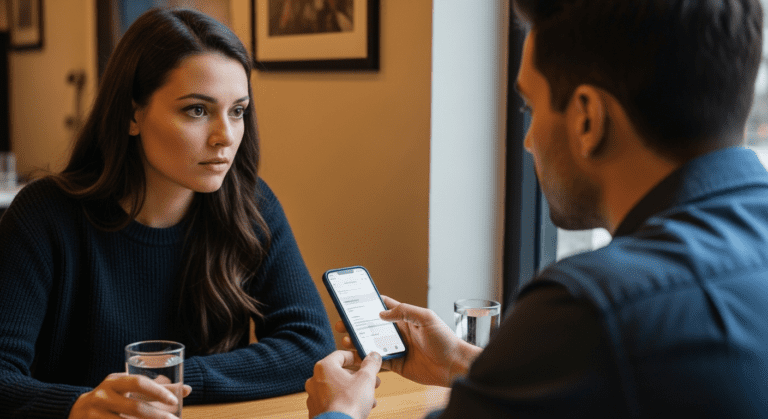

The Dangers of Social Media: Understanding the Risks and Protecting Yourself
Social media has revolutionized the way we communicate, share, and connect with others. While it offers numerous benefits, such as staying in touch with loved ones and accessing information quickly, there are significant dangers of social media that users of all ages need to be aware of. Recognizing these risks is crucial for maintaining mental well-being, privacy, and overall safety in our digital lives. This comprehensive guide explores the various psychological effects of social media use, the potential social media addiction consequences, privacy risks, and practical steps to mitigate these dangers.
Understanding the Psychological Effects of Social Media Use
Many users are unaware of how social media impacts their mental health. Constant exposure to curated, idealized images can trigger feelings of inadequacy, jealousy, and anxiety. This phenomenon often leads to decreased self-esteem and emotional vulnerability.
How Social Media Affects Mental Well-Being
- Comparison and Self-Esteem: Users frequently compare themselves to the seemingly perfect lives showcased online, leading to feelings of inadequacy.
- Anxiety and Depression: Prolonged screen time and exposure to cyberbullying increase risks of depression and social withdrawal.
- Feedback Loops and Dopamine Release: Social media platforms are designed to keep users engaged through notifications and likes, reinforcing addictive behaviors.
According to the Mayo Clinic, these factors can have lasting impacts on mental health if not managed properly.
The Consequences of Social Media Addiction
Social media addiction is a growing concern, especially among teens and young adults. It impairs focus, productivity, and real-world relationships. Recognizing the signs and understanding the consequences can help prevent overuse.
Signs and Effects of Social Media Addiction
- Constantly checking notifications
- Difficulty concentrating or completing tasks
- Neglecting offline relationships and responsibilities
- Experiencing irritability or anxiety when not online
Research from Psychology Today indicates that excessive social media use can lead to attention fragmentation and decreased academic or work performance.
Privacy Risks in the Social Media Landscape
Beyond mental health, users face serious privacy threats. Data mining, identity theft, and the sharing of personal information without awareness are prevalent dangers. These risks can have long-term impacts on financial security and personal safety.
Key Privacy Concerns
- Data Mining: Companies collect detailed user data to target advertising, often without explicit consent.
- Identity Theft: Shared personal info can be exploited by cybercriminals.
- Permanent Digital Footprint: Once information is online, it can be difficult to erase, affecting future opportunities.
For effective privacy protection, consult resources like the Electronic Frontier Foundation, which offers practical guides on safeguarding your online presence.
Dissemination of Misinformation and Fake News
Social media platforms are breeding grounds for misinformation. Fake news can influence public opinion, escalate social divides, and undermine trust in institutions. It’s vital to verify sources and rely on credible outlets to stay informed.
How Fake News Spreads
- Algorithms prioritize engaging content, often amplifying sensational stories
- Echo chambers reinforce existing beliefs without critical analysis
- Rapid sharing without fact-checking increases misinformation
Educating users on media literacy is essential to combat fake news effectively. For more insights, refer to Mayo Clinic’s advice on healthy social media habits.
Strategies to Mitigate the Dangers of Social Media
While social media presents risks, adopting healthier habits and using available tools can significantly reduce exposure and harm.
Practical Steps for Safer Social Media Use
- Set Time Limits: Use device features or apps to restrict daily social media usage.
- Curate Content: Follow positive, educational, and uplifting accounts to foster a healthier feed.
- Engage Offline: Prioritize face-to-face interactions and offline hobbies.
- Protect Privacy: Regularly review privacy settings and be cautious when sharing personal details.
- Educate Yourself and Others: Stay informed about data protection, digital literacy, and recognizing misinformation.
- Use Monitoring Tools: Consider apps that track and limit screen time or block harmful content.
For additional guidance, check out our tips on building healthy relationships and maintaining a balanced online-offline life.
Conclusion: Reclaiming Control in the Digital Age
The dangers of social media are real but manageable. By understanding the psychological, social, and privacy risks, users can make informed choices that safeguard their mental health, personal information, and society at large. Cultivating conscious habits, curating content, and staying educated are keys to a safer digital experience.
Remember, social media should enhance your life—not control it. Take proactive steps today to reduce exposure to these dangers and foster a healthier relationship with the digital world.
FAQs about the Dangers of Social Media
1. How does social media affect mental health?
Social media can trigger feelings of inadequacy, anxiety, and depression due to constant comparison and exposure to idealized images. It can also create addictive feedback loops that impact overall well-being.
2. What are the signs of social media addiction?
Signs include excessive scrolling, neglecting offline responsibilities, irritability when not online, and difficulty concentrating on tasks.
3. How can I protect my privacy on social media?
Regularly review and update privacy settings, be cautious about the information shared, and only connect with trusted contacts.
4. How does misinformation spread on social media?
Algorithms favor engaging content, often promoting sensational stories. Lack of fact-checking and echo chambers also contribute to fake news proliferation.
5. What steps can I take to use social media more safely?
Set usage limits, curate positive content, prioritize offline activities, protect your privacy, and stay informed on digital literacy best practices.
To explore more about maintaining healthy digital habits, visit our main site and check out our relationship tips.




0 Comments