


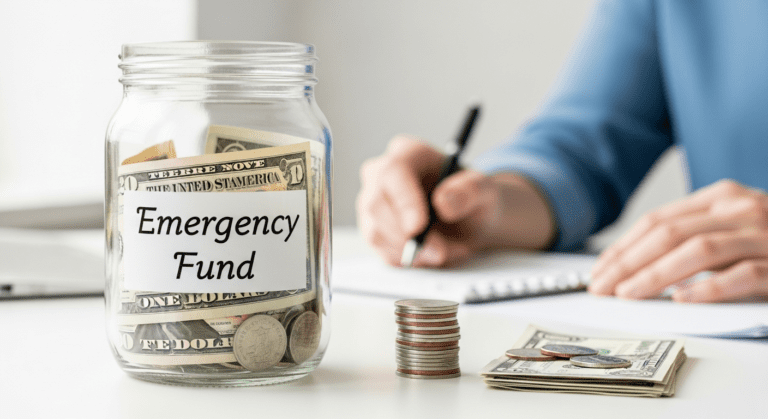

Ultimate Guide to Building an Emergency Fund for Young Adults in the USA
Are you a young adult in the USA wondering how to safeguard your financial future? An emergency fund is your first line of defense against unexpected expenses like medical emergencies, car repairs, or sudden job loss. This comprehensive guide will show you how to build an emergency fund step-by-step, ensuring financial stability and peace of mind.
What Is an Emergency Fund and Why Do You Need It?
An emergency fund is a dedicated savings stash for unexpected financial setbacks. Unlike regular savings for goals like vacation or home down payment, an emergency fund is specifically reserved for unforeseen events that require immediate cash.
For young adults, especially in the USA, having an emergency fund is crucial due to fluctuating job markets, high living costs, and healthcare expenses. It provides a safety net, reduces stress, and prevents the need to rely on credit cards or loans.
How Much Should You Save in Your Emergency Fund?
General Recommendations
- 3–6 months’ worth of living expenses is the standard rule.
- For students or those with variable income, aim for at least 1–3 months initially.
Calculating Your Target
| Monthly Expenses | Recommended Emergency Fund |
|---|---|
| $2,000 | $6,000 (3 months) |
| $3,000 | $9,000 (3 months) |
| $4,000 | $12,000 (3 months) |
Articles like this step-by-step guide can help you customize your savings goal based on your income and expenses.
Steps to Build Your Emergency Fund
1. Assess Your Financial Situation
List all sources of income and monthly expenses. Identify optional expenses you can cut back on.
2. Set a Realistic Savings Goal
Decide whether aiming for 1, 3, or 6 months of expenses fits your current situation. Use the table above for reference.
3. Create a Budget Focused on Saving
- Prioritize emergency fund savings as a non-negotiable expense.
- Use tools like simple budgeting apps or spreadsheets.
- Cut unnecessary expenses such as dining out or subscription services temporarily.
4. Open a Dedicated Savings Account
Choose a high-yield savings account separate from your checking account to minimize temptation and earn better interest. Consider accounts with no fees and easy access when needed.
5. Automate Your Savings
Set up automatic transfers from your paycheck or main account to your emergency fund account. Starting small, like $50–$100 per paycheck, is effective.
Consistency is key—aim to increase savings gradually over time.
6. Increase Savings Through Extra Income
- Take on side gigs or freelancing if feasible.
- Sell unused items or participate in gig economy opportunities like ride-sharing.
7. Replenish Your Fund After Uses
If you dip into your emergency fund, prioritize replenishing it quickly to maintain your safety net.
Common Mistakes to Avoid
- Using your emergency fund for non-emergencies like vacations.
- Not adjusting your fund as your income or expenses change.
- Not automating savings, making it harder to stay consistent.
- Neglecting to review and increase your savings goal periodically.
Tips for Maintaining and Growing Your Emergency Fund
- Review your budget quarterly and adjust savings accordingly.
- Consider increasing your fund after major life changes, such as moving or job promotion.
- Keep your emergency fund in an easily accessible, low-risk account.
- Stay motivated by visualizing your financial security.
FAQs About Emergency Funds
1. How long will it take to build a $5,000 emergency fund?
It depends on your savings rate. For example, saving $200 monthly takes about 25 months. Adjust your savings plan to accelerate this process.
2. Can I use my emergency fund for partial expenses?
Ideally, no. Your emergency fund is reserved for major unforeseen expenses. For smaller costs, use your regular budget or savings.
3. What if I lose my job and can’t save for a while?
Focus on reducing expenses and explore unemployment benefits or temporary side gigs. Once stable, restart your savings efforts.
4. Should I invest my emergency fund?
No. Emergency funds should be kept in safe, liquid accounts to ensure quick access. Investing can risk loss and reduce liquidity.
5. How often should I review my emergency fund?
At least once a year or after major financial changes. Ensure it aligns with your current expenses and goals.
Conclusion
Building an emergency fund is a fundamental step toward financial security, especially for young adults in the USA. By assessing your expenses, setting realistic goals, automating savings, and avoiding common pitfalls, you can create a safety net that protects you from unforeseen setbacks. Remember, the key is consistency and discipline—your future self will thank you.
For more detailed tips on managing personal finances, check out our personal finance section or explore specific strategies for saving and budgeting.
Actionable Takeaways
- Calculate your monthly expenses to determine your savings goal.
- Open a high-yield savings account and automate deposits.
- Reduce discretionary spending temporarily to boost savings.
- Review and adjust your emergency fund annually or after major events.
Looking for more ways to improve your financial health? See 7 minimalist habits or learn eco-friendly routines.




0 Comments