



Ultimate Guide to Solo Travel Safety: Tips for Young Adults (23-30) Traveling Abroad
Embarking on a solo trip can be an exhilarating experience, but safety is always paramount. For young adults aged 23-30 planning to explore destinations like Iceland or Japan, understanding how to stay safe while enjoying the adventure is essential. This guide offers actionable tips, expert advice, and essential safety measures to make your solo journey secure and memorable.
Understanding the Importance of Solo Travel Safety
Traveling alone offers unparalleled freedom and personal growth. However, it also requires heightened awareness to prevent mishaps or threats. Ensuring your safety means being prepared, vigilant, and informed about common risks and effective precautions. With proper planning, you can focus on experiencing new cultures, meeting new people, and creating lifelong memories confidently.
Pre-Trip Planning for Safety
Research Your Destination
Start with comprehensive research about local customs, crime rates, and areas to avoid. Trust authoritative sources like government advisories (e.g., Travel State Department) and recent traveler reviews. Knowing your environment allows for smarter decisions and increased safety.
Register Your Trip
Register with your embassy or consulate through services like Smart Traveler Enrollment Program (STEP). This step enables authorities to reach you during emergencies and provides critical updates about your destination.
Plan Your Accommodation & Transportation
Choose reputable accommodations with good reviews (hostels, hotels, or Airbnb), focusing on secure neighborhoods. Pre-book transport options and avoid unfamiliar routes at night. Use trusted ride-hailing apps instead of hailing cabs off the street.
Essential Safety Tips During Your Solo Trip
Stay Connected & Share Your Plans
- Share your itinerary with trusted friends or family regularly.
- Maintain active communication via messaging apps like WhatsApp or Signal.
- Use international SIM cards or portable Wi-Fi to stay connected.
Protect Your Belongings
- Carry a theft-proof backpack or crossbody bag with multiple compartments.
- Avoid displaying valuables; keep gadgets, passports, and cash secure.
- Use a money belt or hidden pouch for your most essential items.
Stay Aware & Trust Your Instincts
Remain vigilant in crowded places or unfamiliar neighborhoods. If a situation feels off, remove yourself immediately. Avoid risky areas, especially after dark, and always stay within well-lit, populated zones.
Use Safety Apps & Resources
- Download offline maps (e.g., Google Maps, Maps.me).
- Install safety alert apps such as BSafe or TripWhistle.
- Register with local emergency numbers — know how to contact police, ambulance, or your embassy.
Handling Emergencies & Unexpected Situations
Dealing with Loss of Documents or Theft
Keep copies of your passport, visa, and ID both digitally and physically. Store digital copies securely in encrypted folders or cloud storage. Report stolen documents to local authorities and your embassy immediately for replacements.
Health & Medical Emergencies
Carry a basic first aid kit and necessary medications. Know the location of nearby clinics or hospitals. Purchase travel insurance that covers medical emergencies, including repatriation if necessary.
Escaping Dangerous Situations
If confronted or threatened, maintain composure. Use your safety app to alert contacts and authorities. Seek help in public places and avoid escalating conflicts. Remember, your personal safety is more important than possessions.
Post-Trip Safety & Reflection
After your journey, reflect on safety challenges and lessons learned. Share feedback on accommodations and transport providers to help future travelers. Maintain contact with any new friends made, but always prioritize your safety when reconnecting.
People Also Ask (FAQs)
What are the top safety apps for solo travelers?
Recommended apps include bSafe, GeoSure, TravelSmart, and SmartTraveler. These provide real-time alerts, location sharing, and emergency contacts.
Is it safe to travel alone in countries like Japan or Iceland?
Yes, both Japan and Iceland are considered some of the safest countries globally for solo travelers. However, normal precautions such as avoiding risky areas and staying alert still apply.
How can I prevent theft during my trip?
Use anti-theft bags, avoid displaying valuables, stay in secure accommodation, and remain vigilant in crowded places like markets or transit hubs.
What should I include in a safety kit?
- Basic first aid supplies
- Personal medications
- Copies of important documents
- Portable phone charger
- whistle or personal alarm
How can I protect my digital privacy abroad?
Use VPNs, avoid public Wi-Fi for sensitive transactions, keep software updated, and disable location sharing when unnecessary.
Conclusion & Actionable Takeaways
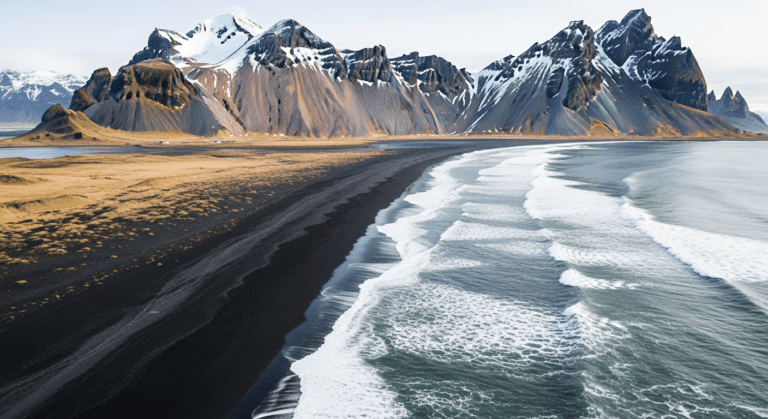
Solo travel offers enriching experiences for young adults aged 23-30, but prioritizing safety transforms potential risks into manageable steps. Start with thorough research, plan your logistics carefully, stay connected, and trust your instincts. By implementing these safety tips, you’ll enjoy your adventure confidently—whether exploring the stunning landscapes of Iceland or immersing yourself in Japan’s vibrant culture.
Remember, the key to a successful solo trip is being prepared, vigilant, and adaptable. For more travel safety strategies, visit our travel safety section. Happy trails!
Looking for more travel tips? Check out our budget-friendly solo travel guide or learn about fearless travel hacks.




0 Comments