


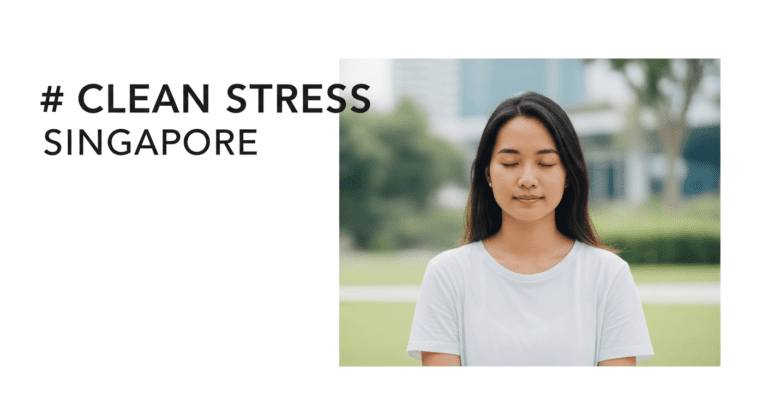

Effective Breathing Techniques to Reduce Stress and Improve Mental Clarity for Young Adults in Singapore
In today’s fast-paced world, young adults often grapple with stress, anxiety, and mental fatigue. Finding simple, science-backed methods to manage stress and boost mental clarity is essential. Breathing techniques are a practical, accessible solution that provides immediate relief and long-term benefits. If you’re a young adult in Singapore looking to enhance your mental well-being, mastering effective breathing methods can transform your daily life.
Understanding the Power of Proper Breathing
Breathing is more than just a bodily function—it’s a vital tool for mental health. Research shows that controlled breathing can activate the parasympathetic nervous system, which promotes relaxation and reduces stress hormones like cortisol. For young adults, especially those balancing studies, work, and personal life in Singapore’s urban environment, proper breathing is a natural way to regain focus and calmness.
Key Benefits of Breathing Techniques for Young Adults
- Reduces Stress and Anxiety: Instantly calms the mind during hectic days.
- Improves Focus and Concentration: Sharpens mental clarity for exams and work tasks.
- Enhances Sleep Quality: Eases insomnia and promotes restful sleep.
- Boosts Emotional Regulation: Helps manage mood swings and frustration.
Top Breathing Techniques to Try in Singapore’s Urban Lifestyle
1. Diaphragmatic (Belly) Breathing
This foundational technique involves deep breathing into the diaphragm rather than shallow chest breaths. It activates the relaxation response, lowering heart rate and stress.
- To start, sit or lie down comfortably.
- Place one hand on your chest and the other on your belly.
- Breathe in slowly through your nose for 4 seconds, allowing your belly to rise as you fill your lungs.
- Exhale gently through your mouth or nose for 6 seconds, feeling your belly fall.
- Repeat for 5–10 minutes daily.
2. box breathing (Square Breathing)
Popular among professionals and athletes, this technique stabilizes the nervous system and improves focus.
- Inhale slowly through your nose for 4 seconds.
- Hold your breath for 4 seconds.
- Exhale evenly for 4 seconds.
- Hold the breath out for 4 seconds.
- Repeat the cycle for 5 minutes.
3. 4-7-8 Breathing
This method is excellent for winding down before sleep or during stressful moments.
- Inhale quietly through your nose for 4 seconds.
- Hold your breath for 7 seconds.
- Exhale completely through your mouth for 8 seconds.
- Repeat 4 times, gradually increasing repetitions as you get comfortable.
Incorporating Breathing Practice into Daily Routines
Consistency is key to reaping benefits. Here are tips for integrating breathing exercises into your busy Singaporean schedule:
- Morning Routine: Start your day with 5 minutes of diaphragmatic breathing to set a calm tone.
- During Work or Study: Use box breathing during breaks to reset focus.
- Evening Wind-Down: Practice 4-7-8 breathing before sleep to promote relaxation.
- Short On-the-Go Exercises: Practice quick breath holds during commutes or while waiting in queues.
Tips for Effective Breathing Practice
- Avoid shallow chest breathing; focus on diaphragmatic breaths.
- Maintain a comfortable, seated or lying posture.
- Practice in a quiet, distraction-free environment when possible.
- Combine breathing with mindfulness for enhanced benefits.
Common Mistakes to Avoid
- Forcing deep breaths too quickly, which can cause dizziness.
- Holding breath too long beyond comfort limits.
- Neglecting consistent practice – even a few minutes daily make a difference.
Additional Resources and Tools
Several mobile apps and online courses can guide you through breathing exercises:
Frequently Asked Questions
Q1. How long should I practice breathing exercises daily?
Start with 5–10 minutes daily, gradually increasing to 15–20 minutes for maximum benefits.
Q2. Can breathing techniques replace meditation or therapy?
They are complementary tools—effective for immediate stress relief and mental clarity but should not replace professional mental health support if needed.
Q3. Are breathing exercises safe for everyone?
Generally yes, but consult a healthcare provider if you have respiratory issues or health concerns.
Q4. How quickly can I notice improvements?
Many experience immediate calming effects; long-term benefits include better stress management and sleep, usually within a few weeks of consistent practice.
Conclusion: Breathe Better for a Healthier Mind
In the bustling environment of Singapore, mastering simple breathing techniques offers a powerful, accessible way to manage stress, sharpen focus, and improve sleep. By integrating practices like diaphragmatic breathing, box breathing, and 4-7-8 breaths into your daily routine, you can enjoy a calmer, more centered life. Remember, consistency and proper technique are essential—your mental health depends on it.
Start today—just a few mindful breaths can make a significant difference. For further details on holistic health practices, visit Nefeblog’s health and fitness.




0 Comments