


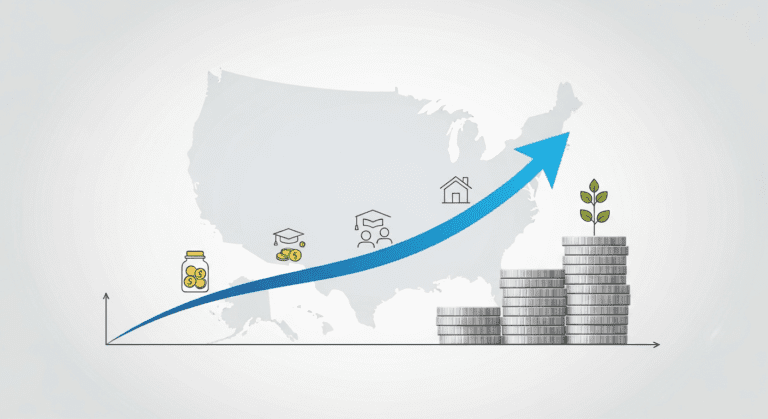

Mastering Financial Independence for Young Adults in the USA: Your Step-by-Step Guide
Are you a young adult in the USA aiming to achieve financial independence fast? Understanding how to effectively manage your finances, save wisely, and invest smartly is essential for building a secure future. This comprehensive guide will walk you through proven strategies to attain financial independence, outperform common pitfalls, and secure your financial freedom sooner than you think.
What Is Financial Independence and Why It Matters in the USA
Financial independence means having enough income to cover your living expenses without relying on active employment. For young Americans, achieving this goal offers freedom from paycheck-to-paycheck stress, greater flexibility, and the ability to pursue passions, travel, or invest in personal growth.
In the context of the USA, rising student debt, fluctuating job markets, and inflation make early planning critical. The sooner you start, the higher your chances of reaching this milestone comfortably.
Primary Strategies to Achieve Financial Independence
1. Create a Realistic Budget and Track Expenses
Begin with a solid budgeting plan tailored to your income. Use tools like simple budgeting methods or apps such as Mint or YNAB. Identify unnecessary expenses, optimize your spending, and set monthly savings goals.
2. Build an Emergency Fund
An emergency fund of at least 3-6 months’ worth of living expenses provides security against unexpected events like job loss or medical emergencies. Learn how to build your emergency fund step-by-step, prioritizing consistent contributions from your income.
3. Increase Income Through Side Hustles
Supplement your primary income with side hustles relevant to your skills. Proven options include freelancing, tutoring, or online businesses. The additional income accelerates savings and investment capacity.
Explore ideas at side hustle strategies.
4. Pay Down High-Interest Debt ASAP
High-interest debts like credit cards drain your finances. Focus on paying these off first, applying methods like the snowball or avalanche. Clearing debt frees up cash flow and improves credit scores, essential for future borrowing or investment.
5. Maximize Retirement Contributions
Take full advantage of employer-sponsored 401(k)s and Roth IRAs. These accounts benefit from tax advantages and compound growth. Aim to contribute at least 15% of your income or as much as possible up to the annual limits.
Smart Investment Strategies for Young Adults
1. Diversify Your Portfolio Early
Invest in a mix of low-cost index funds, mutual funds, and ETFs. Diversification reduces risk and maximizes growth potential over time.
For guidance, review investment options for young adults.
2. Automate Investments
Set up automatic transfers to your investment accounts. Consistency, even with small amounts, harnesses the power of dollar-cost averaging.
3. Use Tax-Advantaged Accounts
Maximize your contributions to HSAs, Roth IRAs, and 401(k)s to benefit from tax savings and compounding growth, essential for long-term wealth building.
Common Mistakes to Avoid
- Neglecting to plan for taxes
- Overestimating future income
- Keeping high-interest debt unresolved
- Failing to diversify investments
- Ignoring inflation’s impact on savings
How Long Does It Take to Achieve Financial Independence?
The timeline varies based on income, savings rate, investments, and expenses. A disciplined saver paying 50% of income into investments can reach financial independence in 10-15 years. Using the FIRE (Financial Independence, Retire Early) movement principles accelerates this even further.
FAQs: Achieving Financial Independence
1. How much should I save each month to become financially independent?
Typically, saving 30-50% of your income is recommended, but even 20% can work if combined with smart investing and low expenses.
2. Is buying a house necessary for financial independence?
Not necessarily. Renting and investing the savings can be equally effective. Focus on building wealth and reducing debt first.
3. What are the best investments for young adults in the USA?
Low-cost index funds, ETFs, and Roth IRAs are ideal start points for young investors, offering diversified exposure and tax advantages.
4. How does inflation affect my path to financial independence?
Inflation erodes purchasing power; investing in assets that outpace inflation (like stocks) is essential for preserving wealth.
5. What role does financial literacy play?
Understanding investment fundamentals, taxes, and budgeting significantly improves your ability to make informed decisions and succeed long-term.
Conclusion: Your Action Plan to Financial Freedom
Achieving financial independence isn’t a myth; it’s about consistent effort, smart planning, and patience. Start by creating a budget, eliminate high-interest debt, increase your income, and invest early. Use tax-advantaged accounts and diversify your investments. Remember, the earlier you begin, the faster you’ll reach financial freedom.
Take actionable steps today—set your savings target, automate investments, and educate yourself continuously. For more detailed personal finance strategies, visit our personal finance tips.




0 Comments