


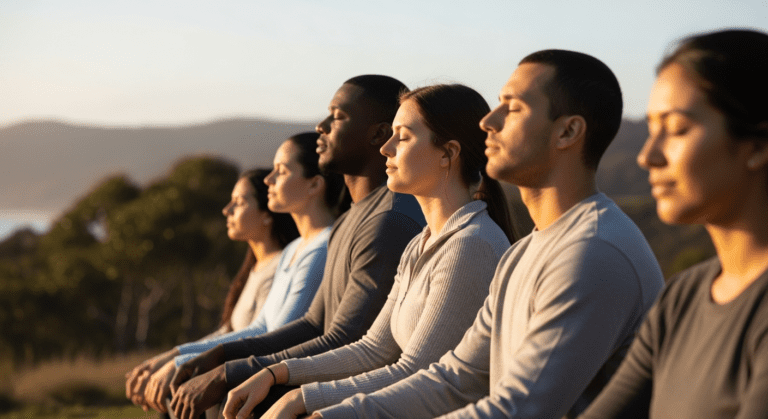

Effective Breathing Techniques for Stress Relief and Mental Clarity in Young Adults
In today’s fast-paced world, especially among young adults aged 17-22 in Australia, managing stress and maintaining mental clarity can be challenging. Breathing techniques are simple, powerful tools that can help you reduce stress, improve focus, and boost overall well-being. This guide provides a comprehensive overview of proven breathing methods tailored for young adults seeking natural stress relief.
Why Breathing Techniques Matter for Stress Management
Stress affects everyone, but young adults often face unique pressures—from academic deadlines to social challenges. Proper breathing activates the parasympathetic nervous system, which promotes relaxation and counters the fight-or-flight response. Incorporating effective breathing exercises into your daily routine can lead to sustained mental clarity and emotional stability.
Top Breathing Techniques for Young Adults in Australia
1. diaphragmatic breathing (belly breathing)
This fundamental technique involves deep breaths that engage your diaphragm, promoting oxygen flow and relaxation. Here’s how to do it:
- Find a comfortable seated or lying position.
- Place one hand on your chest and the other on your belly.
- Breathe in slowly through your nose, ensuring your belly expands and your chest remains still.
- Exhale gently through your mouth, constricting your belly to push out all air.
Benefits: Reduces cortisol, improves focus, and relieves anxiety.
2. box breathing (square breathing)
This technique is popular among athletes and military personnel for its calming effects:
- Inhale slowly for 4 seconds.
- Hold your breath for 4 seconds.
- Exhale for 4 seconds.
- Pause for 4 seconds before the next inhale.
Repeat for 5–10 minutes to cultivate calmness and mental clarity.
3. 4-7-8 breathing
Developed by Dr. Andrew Weil, this method is ideal for winding down at night:
- Breathe in through your nose for 4 seconds.
- Hold your breath for 7 seconds.
- Exhale slowly through your mouth for 8 seconds.
This pattern helps reduce anxiety and promotes restful sleep.
Additional Tips to Maximize Benefits
- Practice breathing exercises daily, preferably mornings and evenings.
- Combine breathing with mindfulness meditation for enhanced effects.
- Use guided apps such as meditation guides for young adults to stay consistent.
- Ensure a quiet environment free of distractions during practice.
Common Mistakes to Avoid
- Forcing deep breaths too quickly, which may cause dizziness.
- Holding your breath excessively long, leading to discomfort.
- Practicing irregularly or skipping sessions.
Scientific Support and External References
Research indicates that controlled breathing can lower cortisol levels, decrease blood pressure, and improve cognitive function (source).
Frequently Asked Questions
Q1: How long should I practice breathing exercises daily?
Start with 5–10 minutes each day and gradually increase as you feel comfortable.
Q2: Are breathing techniques effective for severe anxiety or depression?
They can be helpful as supplementary tools but should not replace professional treatment. Consult a mental health professional for persistent issues.
Q3: Can breathing exercises improve focus during exams?
Yes, they help calm nerves and enhance concentration, making them excellent before exams or presentations.
Conclusion
Incorporating breathing techniques into your daily routine provides a natural, effective way to manage stress and enhance mental clarity. Whether you’re preparing for exams, dealing with daily pressures, or simply seeking calm, these methods can transform your mental health. Start today—your mind and body will thank you.
Actionable Takeaways
- Practice diaphragmatic breathing for 5 minutes daily.
- Use box breathing during stressful moments for immediate calm.
- Combine breathing with mindfulness for longer-lasting benefits.
For more tips on holistic health and stress management, visit NefeBlog’s health & fitness section.




0 Comments