



How to Improve Gut Health Naturally: A Complete Guide for Young Adults in Luxembourg
Gut health is essential for overall wellness, affecting digestion, immunity, mental health, and energy levels. For young adults aged 23-30 in Luxembourg, maintaining a healthy gut can boost daily vitality, prevent future health issues, and improve quality of life. This comprehensive guide will walk you through proven natural methods to enhance your gut health effectively and sustainably.
Understanding Gut Health and Why It Matters
Your gut, or gastrointestinal tract, hosts trillions of microorganisms collectively known as gut microbiota. These microbes play critical roles in digesting food, synthesizing vitamins, regulating immune responses, and even influencing mood and cognition.
Research shows that an imbalance in gut microbiota—termed dysbiosis—can lead to problems like bloating, fatigue, poor immunity, and chronic inflammation. Improving gut health is thus vital for long-term wellness and optimal functioning.
Key Factors Affecting Gut Health in Young Adults
- Dietary habits: High processed foods, sugar, and artificial additives disrupt microbiota balance.
- Stress levels: Chronic stress impairs digestion and microbial diversity.
- Sufficient sleep: Poor sleep alters gut bacteria composition.
- Antibiotic use: Overuse can deplete beneficial microbes.
- Lack of physical activity: Sedentary lifestyles negatively affect microbial diversity.
Natural Strategies to Boost Gut Health
1. Incorporate Fermented Foods Daily
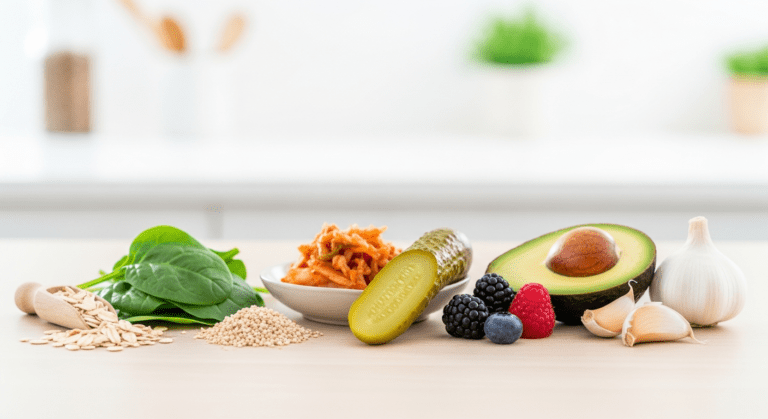
Fermented foods are rich in probiotics—beneficial bacteria that restore and maintain healthy gut microbiota. For young adults in Luxembourg, easy options include:
- Yogurt with live cultures
- Sauerkraut
- Kefir
- Kimchi
- Pickled vegetables
Ensure these products do not contain added sugars or artificial preservatives. Incorporate them into salads, smoothies, or snacks for consistent benefits.
2. Increase Dietary Fiber Intake
Fiber feeds beneficial gut bacteria and promotes regular bowel movements. Aim for a variety of sources:
- Fruits (apples, berries)
- Vegetables (broccoli, carrots)
- Whole grains (quinoa, oats, rye)
- Legumes (lentils, chickpeas)
Gradually increase fiber intake to reduce gas or bloating. A high-fiber diet supports microbial diversity and improves digestion.
3. Stay Hydrated with Water and Herbal Teas
Proper hydration facilitates digestion and nutrient absorption. Aim for at least 2 liters of water daily. Herbal teas like ginger, peppermint, or chamomile can soothe the gut and reduce inflammation.
4. Minimize Processed Foods and Refined Sugars
Processed snacks, fast foods, and sugary drinks disrupt gut microbes and promote dysbiosis. Shift towards whole, nutrient-dense foods to nourish your microbiota and support overall health.
5. Manage Stress Effectively
Chronic stress impacts gut flora and increases intestinal permeability (“leaky gut”). Techniques like mindfulness, meditation, and deep breathing exercises can mitigate stress and promote a balanced microbiome. Consider exploring local yoga or meditation classes in Luxembourg for community support.
6. Prioritize Quality Sleep
Sleep deprivation alters gut bacteria composition, impairing digestion and immune function. Maintain a consistent sleep schedule, avoid screens before bed, and create a calming bedtime routine to optimize gut health through sleep.
7. Use Prebiotics and Supplements Wisely
Prebiotics are non-digestible fibers that feed beneficial bacteria. Foods rich in prebiotics include garlic, onions, asparagus, and bananas.
Consider adding a high-quality probiotic supplement after consulting with a healthcare professional to boost microbial diversity, especially after antibiotic use.
Common Mistakes to Avoid
- Overdoing probiotic supplements without dietary foundation
- Ignoring the impact of stress and sleep on gut health
- Relying solely on supplements instead of lifestyle changes
- Skipping fiber and hydration in daily routines
Monitoring and Supporting Your Gut Health
Track your digestive patterns, energy levels, and overall well-being. If persistent symptoms like bloating, diarrhea, or fatigue occur, consult a healthcare provider specializing in gut health.
In Luxembourg, consider visiting local clinics offering gut microbiota testing or personalized nutrition advice for tailored strategies.
Conclusion and Actionable Takeaways
Improving gut health naturally is achievable through consistent dietary and lifestyle habits. Focus on incorporating fermented foods, increasing fiber, managing stress, staying hydrated, and sleeping well. These steps will help establish a resilient microbiome, boosting your immunity, digestion, and overall vitality.
Start today by adding a serving of yogurt or sauerkraut to your meals and practicing mindfulness daily. Remember, a healthier gut supports a healthier you!
FAQs
1. How quickly can I see improvements in gut health?
Most people notice changes within 2–4 weeks of consistent dietary and lifestyle adjustments, with full benefits emerging over several months.
2. Are probiotics enough to heal a leaky gut?
Probiotics can help, but addressing leaky gut requires a comprehensive approach: reducing inflammation, improving diet, managing stress, and avoiding triggers like alcohol or processed foods.
3. Can I get all my probiotics from food?
Yes, fermented foods provide natural probiotics. Supplements are optional and should be used under professional guidance.
4. What are the best prebiotic foods?
Garlic, onions, leeks, asparagus, bananas, and whole grains are excellent prebiotic sources to nourish your gut bacteria.
5. Is gut health linked to mental clarity?
Absolutely. The gut-brain axis means a healthy microbiome can improve mood, focus, and reduce anxiety.




0 Comments