


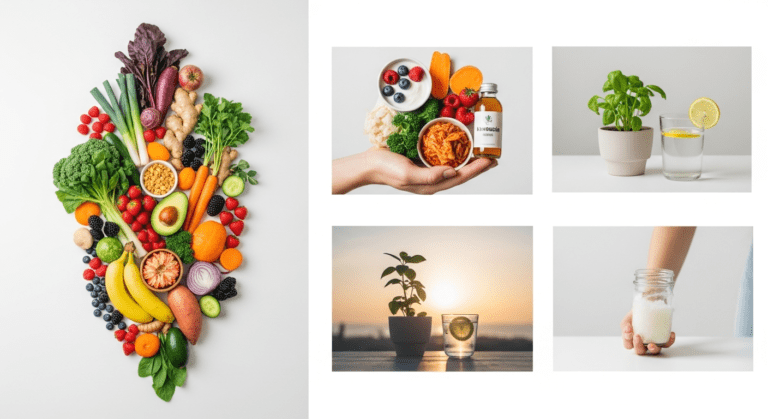

Natural Ways to Boost Your Gut Health in Your 30s: A Comprehensive Guide
Gut health plays a vital role in overall well-being, especially for adults in their 30s looking to optimize digestion, immunity, and mental clarity. If you’re seeking natural methods to improve your gut function without relying on medications, this guide is your ultimate resource.
Why Is Gut Health Important in Your 30s?
The mid-thirties are a critical period where lifestyle choices significantly impact long-term health. A balanced gut microbiome helps:
- Enhance digestion and nutrient absorption
- Strengthen the immune system
- Improve mental health through gut-brain axis
- Reduce inflammation and risk of chronic diseases
Maintaining optimal gut health now can prevent issues like bloating, bloating, fatigue, and even autoimmune conditions later in life.
Key Factors Affecting Gut Health in Your 30s
Diet and Nutrition
The foods you consume directly influence the diversity of your gut microbiota. Diets high in processed foods and sugars decrease beneficial bacteria, while fiber-rich diets promote their growth.
Stress Levels
Chronic stress can alter gut motility and microbiome composition, leading to issues like constipation and inflammation.
Sleep Patterns
Poor sleep impairs digestion and gut barrier function, increasing susceptibility to infections and leaky gut syndrome.
Medication Use
Antibiotics and other medications can disrupt gut flora balance, emphasizing the need for gut-friendly recovery.
Natural Strategies to Improve Gut Health
1. Incorporate Fermented Foods Daily
Fermented foods introduce beneficial probiotics into your gut. Make them a staple in your diet:
- Yogurt with live cultures
- Kefir
- Sauerkraut
- Kimchi
- Kombucha
Tip: Choose unpasteurized options for maximum probiotic benefits.
2. Increase Dietary Fiber Intake
Fiber feeds your gut bacteria, fostering diversity and health. Focus on:
- Whole grains like oats, barley, and quinoa
- Fruits like berries, apples, and bananas
- Vegetables such as broccoli, carrots, and leafy greens
- Legumes including lentils and chickpeas
Note: Aim for at least 25-30 grams of fiber daily.
3. Stay Hydrated
Water aids digestion and helps maintain the mucosal lining of the gut, supporting healthy bacterial balance.
Recommendation: Drink at least 8 glasses of water per day, adjusting for activity and climate.
4. Practice Stress-Reduction Techniques
Effective stress management improves gut motility and reduces inflammation. Consider:
- Daily meditation or deep breathing exercises
- Yoga sessions
- Regular physical activity
- Mindfulness practices
5. Prioritize Sleep Hygiene
Consistent, quality sleep supports gut barrier integrity. To improve sleep:
- Establish a regular sleep schedule
- Avoid screens an hour before bed
- Create a calming bedtime routine
- Maintain a cool, dark sleeping environment
6. Use Natural Supplements Wisely
Consider supplements to support gut health, such as:
- Probiotic capsules with diverse strains
- Prebiotic fibers like inulin or chicory root
- Digestive enzymes for impaired digestion
Note: Consult a healthcare professional before adding supplements.
Common Mistakes to Avoid
- Overuse of antibiotics without medical guidance
- Eating excessive processed foods and sugars
- Neglecting hydration and sleep
- Ignoring stress management
Monitoring Your Progress
Track improvements by noting changes in digestion, energy levels, and mental clarity. For deeper insights, consider gut health testing like microbiome analysis.
Conclusion & Actionable Takeaways
Enhancing gut health naturally in your 30s is achievable with simple lifestyle adjustments. Focus on nutritional choices, stress management, and sleep for lasting benefits.
Start today by adding fermented foods and increasing fiber in your meals. Regularly practice stress-relief techniques and stay hydrated to support your digestive well-being.
FAQs
Q1: How long does it take to see improvements in gut health?
Most people notice benefits within 2–4 weeks of consistent dietary and lifestyle changes, though full microbiome adjustments may take several months.
Q2: Are probiotics effective without dietary changes?
While supplements can help, combining probiotics with a fiber-rich diet enhances their effectiveness and promotes long-term gut health.
Q3: Can stress negatively affect gut bacteria?
Yes, chronic stress can disrupt gut microbiota balance, leading to gastrointestinal issues and decreased immunity. Managing stress is crucial for gut health.
Q4: Is it safe to rely solely on natural therapies for gut health?
Natural strategies are generally safe and effective when combined with medical advice. For serious or persistent issues, consult a healthcare professional.
Q5: Are there specific foods to avoid for better gut health?
Limit processed foods, excessive sugar, artificial sweeteners, and alcohol to prevent dysbiosis and inflammation.
Additional Resources
For further reading, visit this comprehensive guide on gut health or consult reputable sources like the World Health Organization for insights on microbiome research.
Taking proactive steps now can greatly enhance your digestive health and overall vitality. Incorporate these natural methods and enjoy a healthier, happier gut!




0 Comments