


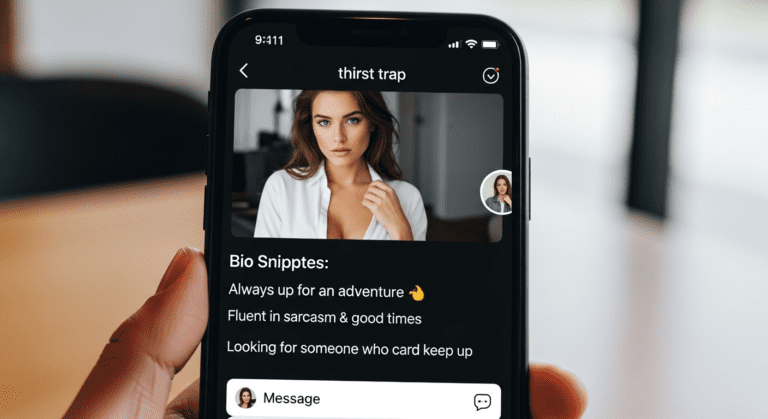

Understanding Thirst Traps: How They Work, Why They Backfire & How to Use Them Smartly
In today’s digital age, social media is a playground for self-expression, flirtation, and sometimes, validation-seeking strategies. One such tactic that has gained popularity — but also sparked controversy — is the thirst trap. Whether you’re a seasoned social media user or just curious about this phenomenon, understanding what thirst traps are, why people post them, and how to navigate this landscape can help you make smarter social media choices. This guide provides a comprehensive look at thirst traps, how to spot them, and tips on using them effectively without falling into common pitfalls.
What Is a Thirst Trap? An Overview
A thirst trap is a provocative photograph or flirty social media post crafted to attract attention, likes, and comments. It’s designed to signal allure or confidence, often screaming “I want attention” through sexy poses, suggestive captions, or subtle hints. Typically posted during peak social media hours, such as late at night, thirst traps aim to maximize exposure by garnering reactions from both known followers and strangers.
The core purpose? To boost self-esteem temporarily, rekindle interest from an ex, attract a crush, or simply increase one’s online presence—often as a digital form of validation. They can range from subtly sexy selfies with filters to more revealing photos, but the goal remains consistent: elicit attention and engagement.
Key Signs of a Thirst Trap
Being able to recognize a thirst trap helps in either crafting your own or avoiding unwanted attention. Common signs include:
- Posted late at night: Usually after 8 PM, targeting active browsing hours for maximum engagement.
- Provocative poses or selfies: Less about ordinary photos, more about alluring or revealing images, often with strategic lighting or filters.
- Few personal details: Focused mostly on appearance rather than life updates or meaningful content.
- Sparse captions: Minimal words, sometimes flirtatious or teasing, designed to stir curiosity.
- Unsolicited comments & likes from strangers: Indications of broad attention-seeking targeting random viewers.
Why Do People Post Thirst Traps? The Motivations
Posting a thirst trap isn’t just about vanity. Motivations span across emotional, social, and psychological needs:
- Ego boost: Feeling confident or gaining validation on a rough day.
- Revenge or flexing: Showing off after a breakup or to make an ex jealous.
- Targeted attraction: Catching the eye of a specific crush or partner.
- Broad attention: Gathering likes, comments, and followers for social clout.
How to Recognize if Someone’s Thirst Trapping
If you suspect someone is posting a thirst trap, look for clues:
- Consistent late-night posting patterns.
- High engagement from strangers.
- Posts that focus on revealing or flattering body parts without much context.
- Comments filled with emojis and flirty remarks.
- Sliding into their DMs might seem tempting, but if the post screams “attention,” be cautious of your intent and boundaries.
Risks and Backfires of Thirst Traps
While strategic posting can boost confidence, there are potential downsides:
- Unwanted attention & harassment: Strangers may escalate from likes to inappropriate messages or requests.
- Relationship complications: Partners may feel betrayed or insecure, sparking jealousy or fights.
- Reputation damage: Overposting provocative content can backfire, leading to negative judgment.
- Misinterpretation: What’s intended as playful or flirtatious can be taken as desperation or regret later.
How to Use Thirst Traps Effectively & Safely
If you choose to post thirst traps, doing so with purpose and awareness is key. Here’s how to ace your thirst trap game without risking misfire:
1. Set Clear Intentions
Decide whether your goal is to attract a specific person, boost your confidence, or simply engage followers. Purposeful posting minimizes regret.
2. Maintain Balance & Subtlety
Use filters, appealing angles, and strategic lighting — but avoid overdoing it. Less is often more, especially to keep the vibe flirty yet tasteful.
3. Limit the Number of Posts
Post only 3–5 carefully curated photos at once to avoid appearing overly thirsty or desperate. Spread out your content to keep followers intrigued.
4. Engage Back Thoughtfully
Reciprocate interest with genuine comments or DMs. Don’t just post and ghost; build real or playful interactions, but set boundaries to protect your space.
5. Watch Out for Backfire Signs
If strangers start sending inappropriate messages or your partner expresses concern, reconsider your approach. Remember, social media is public and can have real-world consequences.
Common Mistakes and How to Avoid Them
- Overposting sexy photos: Leads to perceptions of desperation or attention-seeking.
- Ignoring your partner: Can cause trust issues in relationships.
- Engaging with strangers too eagerly: May open doors to harassment.
- Posting without purpose: Causes regret or misjudgment.
Effective Alternatives to Thirst Traps
If you’re unsure about posting provocative content, consider these options:
- Showcase genuine personality through your hobbies or passions.
- Share valuable insights or funny stories that highlight your character.
- Post casual, relatable content that invites genuine engagement.
FAQs About Thirst Traps
What are some red flags of a thirst trap?
Red flags include excessive posting late at night, scantily clad images, and engagement primarily from strangers rather than friends or followers. Also, if the content is overly suggestive without context, it might be a thirst trap.
Why do sometimes thirst traps backfire in relationships?
Backfires happen when partners perceive the posts as signals of insecurity, desperation, or infidelity. They can trigger jealousy, distrust, or arguments if boundaries are crossed or if the content is inappropriate.
How can I spot a thirst trap on social media?
Look for consistent late-night posts, provocative images with minimal context, comments filled with emojis and flirtatious remarks, and a pattern aimed at broad visibility rather than personal connection.
Is posting thirst traps ethical or harmful?
It depends on your intentions, content, and context. When used ethically—aimed at boosting self-confidence or playful flirty interactions—they can be harmless. But misuse can lead to harassment, misinterpretation, or relationship issues.
Conclusion & Takeaways
Thirst traps are a double-edged sword: they can temporarily boost your confidence and attract attention, but they also carry risks of misinterpretation and unwanted attention. To navigate this space wisely, always clarify your intentions, maintain boundaries, and be aware of how your posts might be perceived. If done thoughtfully, thirst traps can be a playful part of your social media presence—just don’t rely on them as your sole source of validation.
For more in-depth dating tips and social media strategies, explore our dating tips category and stay informed about the latest trends.




0 Comments