


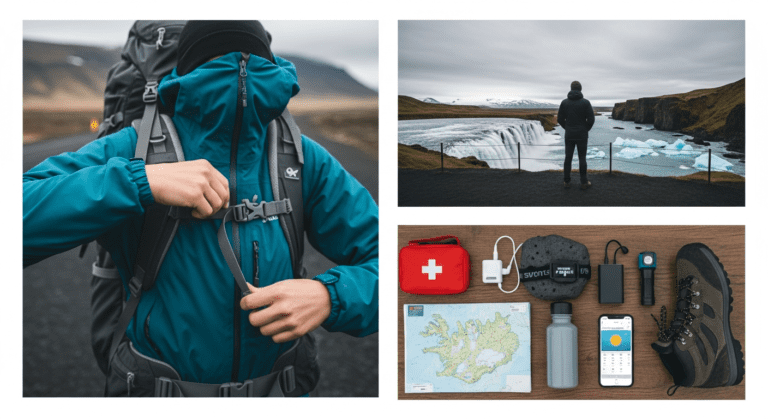

The Ultimate Guide to Solo Travel Safety for Young Adults in Iceland
Embarking on a solo trip to Iceland is an incredible adventure, offering breathtaking landscapes, unique cultural experiences, and a sense of personal freedom. However, ensuring your safety is essential to making the most of your journey. This comprehensive guide provides practical safety tips tailored specifically for young adults aged 23–30 planning solo trips to Iceland.
Understanding Solo Travel Safety in Iceland
Solo travel requires careful planning, especially in a remote and diverse country like Iceland. The goal is to enjoy your trip while minimizing risks and being prepared for unexpected situations. This guide covers essential safety considerations, from outdoor adventures to everyday urban experiences.
Key Safety Considerations for Solo Travelers in Iceland
1. Stay Informed About Local Conditions
Keep yourself updated on weather forecasts, road conditions, and any alerts. Iceland’s unpredictable weather, especially in winter, can impact travel safety. Check Icelandic Weather Service regularly and plan accordingly.
2. Prepare for Outdoor Adventures
- Hike Smart: Always tell someone your plans and estimated return time.
- Equip Properly: Carry appropriate gear, including sturdy boots, layers, and a map.
- Stay on Marked Trails: Avoid unmarked terrain to prevent accidents or getting lost.
3. Transportation Safety
Renting a car is popular for Iceland exploration, but ensure:
- Valid Driver’s License: International licenses are accepted.
- Insurance: Opt for comprehensive coverage.
- Road Awareness: Drive cautiously on gravel roads and in adverse weather conditions.
4. Personal Safety Tips
- Stay Connected: Get a local SIM card or portable Wi-Fi device.
- Secure Your Belongings: Use lockers in accommodations and avoid attracting theft.
- Trust Your Instincts: Avoid risky areas or situations that feel uncomfortable.
Safety in Urban and Remote Settings
In Reykjavik
The capital is generally safe, but standard precautions apply: avoid poorly lit areas at night, keep your belongings close, and be cautious when using ATMs.
In the Countryside
Rural areas and highlands are more isolated. Always let someone know your itinerary and carry emergency supplies, including water and snacks.
Essential Emergency Contacts and Resources
- Emergency Services (Police, Fire, Ambulance): 112
- Local Tourist Helpline: +354 1788
- Medical Assistance: Accessible in cities and some remote areas, but carry travel health insurance that covers emergencies abroad.
- SafeTravel Iceland: Official travel safety information and updates.
Precautionary Measures for a Safe and Enjoyable Trip
- Plan Your Itinerary: Prioritize safety zones and avoid risky activities without proper supervision or equipment.
- Travel Insurance: Secure comprehensive coverage that includes adventure activities.
- Local Guidance: Use reputable tour operators for excursions like glacier hikes or ice cave explorations.
- Stay Hydrated and Rested: Reduce risks related to fatigue or dehydration which can impair judgment.
FAQs About Solo Travel Safety in Iceland
1. Is Iceland safe for solo female travelers?
Yes. Iceland is one of the safest countries for solo female travelers, thanks to low crime rates. Still, standard precautions like avoiding poorly lit areas at night apply.
2. What should I do if I get lost in Iceland’s wilderness?
Stay calm, stop moving, and try to retrace your steps. Use a GPS or compass, and contact emergency services if needed. Always carry a fully charged phone and emergency supplies.
3. Are there any specific risks for solo travelers during winter?
Yes, winter weather can cause road closures, icy conditions, and limited daylight. Always check weather updates and avoid travel during storms.
4. How can I meet other travelers while staying safe?
Join reputable group tours, stay in social accommodations, or participate in organized meetups. Always inform someone of your plans.
5. What are the best safety apps for travelers in Iceland?
Download apps like SafeTravel Iceland, Google Maps, and emergency contact apps to stay connected and informed.
Conclusion: Enjoy Iceland with Confidence
Solo travel in Iceland offers unmatched freedom and discovery, but safety should always be your top priority. By staying informed, preparing thoroughly, and respecting local conditions, you can enjoy a memorable and secure adventure. Remember, the key to safe travel is planning, awareness, and confident decision-making.
For more travel safety tips and expert advice, visit Nefe Blog.
Actionable Takeaways
- Regularly check weather and road conditions before setting out.
- Share your itinerary with trusted contacts and keep emergency contacts handy.
- Choose reputable tour providers for adventure activities.
- Download essential safety apps and keep your devices charged.




0 Comments