


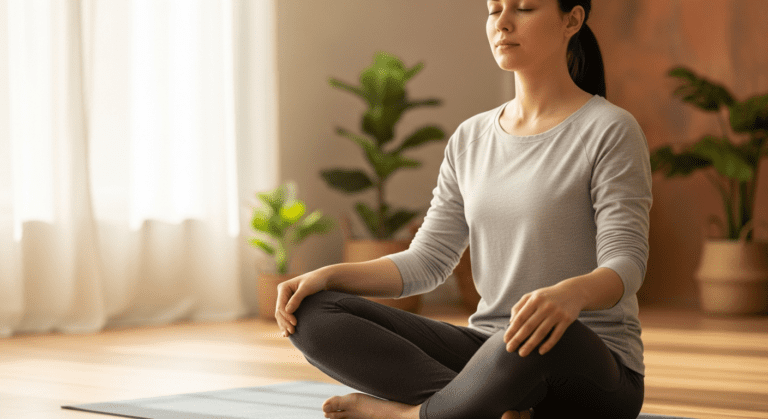

Effective Breathing Techniques to Reduce Stress and Improve Mental Clarity for Young Adults
In today’s fast-paced world, stress has become an inevitable part of daily life, especially for young adults aged 17-22 navigating college, careers, and social pressures. While many seek quick fixes or caffeine boosts, simple breathing techniques offer an scientifically backed, natural way to manage stress, boost mental clarity, and enhance overall well-being. This guide will walk you through actionable breathing exercises rooted in research, helping you regain control anytime, anywhere.
Understanding the Power of Breath for Stress Management
Breathing is an automatic process, but it also can be consciously controlled to influence your nervous system. Studies show that specific breathing exercises activate the parasympathetic nervous system, which calms the body, reduces cortisol levels, and enhances mental clarity. This is particularly beneficial for young adults facing academic deadlines, social anxiety, or career uncertainties.
Effective Breathing Exercises for Immediate Stress Relief
1. Diaphragmatic (Deep Belly) Breathing
Primarily targets your diaphragm for full oxygen exchange. Ideal when feeling overwhelmed.
- Sit or lie down comfortably
- Place one hand on your chest and the other on your belly
- Inhale deeply through your nose for 4 seconds, expanding your belly
- Hold breath for 2 seconds
- Exhale slowly through your mouth for 6 seconds, ensuring your belly deflates
This exercise reduces cortisol and enhances focus. Practice for 5 minutes during study breaks or before exams.
2. Box Breathing (Square Breathing)
Popularized by Navy SEALs, this technique enhances concentration and emotional control.
- Inhale slowly through your nose for 4 seconds
- Hold your breath for 4 seconds
- Exhale through your mouth for 4 seconds
- Hold your breath out for 4 seconds
- Repeat for 5-10 cycles
Use this during stressful moments to quickly regain calmness and mental clarity.
3. 4-7-8 Breathing
Great for reducing anxiety and aiding sleep, which is crucial for maintaining mental health.
- Inhale through your nose for 4 seconds
- Hold your breath for 7 seconds
- Exhale fully through your mouth for 8 seconds
- Repeat 4–8 times
This pattern helps balance stress hormones and enhances relaxation.
Practical Tips for Young Adults to Use Breathing Exercises
- Start small: Dedicate 5 minutes daily or during specific triggers like before exams or social events.
- Use reminders: Set phone alarms or app notifications to practice throughout the day.
- Integrate into routines: Combine with meditation, yoga, or as a quick pause during study or work sessions.
- Attend workshops or apps: Explore guided breathing sessions available on apps like Headspace or Calm.
Maximize Benefits by Avoiding These Pitfalls
- Forcing breaths: Breathing should be slow, gentle, and comfortable.
- Ignoring physical cues: Stop if dizziness or discomfort occurs.
- Inconsistency: Regular practice amplifies benefits over time.
- Skipping steps: Follow structured routines for optimal results.
Research-Backed Benefits of Controlled Breathing
Research indicates that intentional breathing exercises can lower blood pressure, decrease anxiety, and improve focus. For instance, a study published in 2018 found that diaphragmatic breathing reduces cortisol levels significantly. Moreover, consistent practice enhances neuroplasticity, leading to long-term stress resilience.
Enhance Your Practice with Expert Guidance
For more in-depth techniques, consider consulting health professionals or exploring trusted resources:
Frequently Asked Questions
Q1: How often should I practice breathing exercises?
Start with 5 minutes daily and gradually increase to 10-15 minutes, especially during stressful periods.
Q2: Can breathing techniques help with anxiety in social situations?
Yes, techniques like box breathing can be employed discreetly to manage anxiety and improve confidence.
Q3: Are there any side effects or risks?
Breathing exercises are generally safe. Avoid if you experience dizziness; always breathe comfortably and stop if uncomfortable.
Q4: Which breathing technique is best for beginners?
Diaphragmatic or belly breathing is easiest for most beginners to master and effective for immediate stress relief.
Q5: Can these techniques improve focus during study or work?
Absolutely. Controlled breathing increases oxygen flow to the brain, enhancing concentration and mental clarity.
Summary and Takeaways
Simple yet powerful, breathing techniques are accessible tools to combat stress, boost mental clarity, and improve overall well-being for young adults. By incorporating exercises like diaphragmatic, box, or 4-7-8 breathing into your daily routine, you can build resilience and navigate life’s challenges more effectively. Remember, consistency is key—start today for a healthier, calmer mind.
For more easy mental health strategies, visit our health and fitness section or explore meditation techniques to complement your breathing practice.




0 Comments