


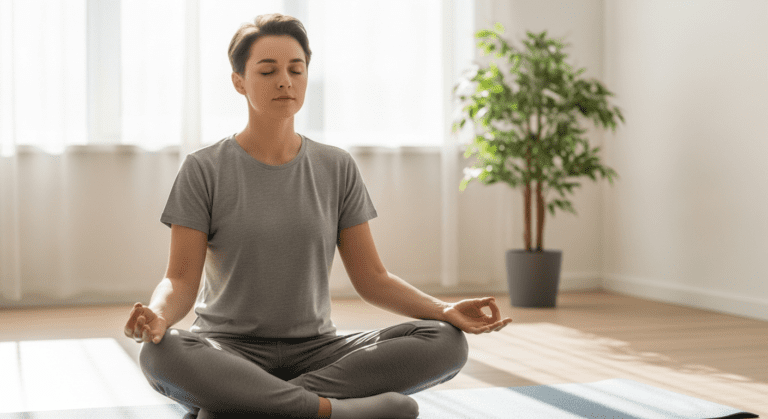

Understanding the Benefits of Mindfulness Meditation for Stress Relief in Young Adults
In today’s fast-paced world, particularly among young adults aged 17-22, stress has become a common challenge. The constant buzz of social media, academic pressures, and personal responsibilities often lead to heightened anxiety and mental fatigue. Fortunately, mindfulness meditation offers an accessible, science-backed solution to manage stress effectively. This guide explores how young adults can harness mindfulness meditation to improve mental well-being, reduce stress, and enhance overall quality of life.
What is Mindfulness Meditation?
Mindfulness meditation involves paying deliberate attention to the present moment without judgment. It emphasizes observing thoughts, feelings, and bodily sensations with openness and acceptance. Unlike other forms of meditation that may focus on visualization or mantra repetition, mindfulness centers on cultivating awareness and acceptance of the current experience. For young adults, this practice can be particularly beneficial in interrupting habitual stress responses and developing resilience.
Why Young Adults Should Practice Mindfulness Meditation
Research shows that mindfulness meditation can significantly diminish stress hormones like cortisol. For students and early-career professionals, adopting this habit can lead to:
- Improved focus and concentration
- Better emotional regulation
- Enhanced mental clarity
- Reduced symptoms of anxiety and depression
- Improved sleep quality
Additionally, developing mindfulness skills early can foster long-term mental health habits, creating a foundation for emotional stability amidst life’s uncertainties.
How to Start Practicing Mindfulness Meditation
Step 1: Find a Quiet Space
Choose a comfortable, distraction-free environment where you can sit or lie down undisturbed for 5-10 minutes.
Step 2: Adopt a Comfortable Posture
Sit on a chair, cushion, or lie down—whatever feels most natural. Keep your back straight but relaxed.
Step 3: Focus on Your Breath
Close your eyes if comfortable, and bring attention to your breathing. Notice the sensation of air entering and leaving your nostrils, or the rise and fall of your chest.
Step 4: Observe Your Thoughts
As thoughts, sensations, or emotions surface, acknowledge them without judgment, then gently redirect your focus back to your breath.
Step 5: Practice Regularly
Consistency is key. Aim for daily sessions, gradually increasing duration as you become more comfortable.
Common Challenges and Tips for Success
- Difficulty concentrating: Gently bring your focus back to your breath when your mind wanders.
- Restlessness: Try guided meditations via smartphone apps like Headspace or Calm to stay motivated.
- Time constraints: Short sessions (3-5 minutes) can be just as effective—build up gradually.
Scientific Evidence Supporting Mindfulness for Stress Reduction
Numerous studies have demonstrated that mindfulness meditation can decrease stress and improve mental health. For example, a 2014 meta-analysis published in JAMA Internal Medicine found that mindfulness can significantly improve anxiety, depression, and pain symptoms. In young adults, mindfulness also correlates with increased emotional regulation, resilience, and academic performance.
External research from NCBI emphasizes how mindfulness practice modulates brain regions involved in stress and emotional regulation, making it a scientifically validated stress management tool.
Incorporating Mindfulness Meditation into Daily Life
- Practice during breaks between study sessions or work shifts.
- Use mobile apps for guided meditations tailored for stress relief.
- Combine mindfulness with physical activity, such as mindful walking or yoga.
- Create a daily routine—morning meditation or evening wind-down.
Additional Resources and Tools
To deepen your practice, consider the following:
Frequently Asked Questions (FAQs)
1. How long should I meditate daily for stress relief?
Start with 5 minutes daily and gradually increase to 10-15 minutes as you become more comfortable.
2. Can meditation replace medication for anxiety or depression?
While mindfulness meditation can significantly reduce symptoms, it should complement professional treatment rather than replace medication or therapy.
3. What if I find it hard to sit still or focus?
That’s common. Use guided meditations and start with short sessions. Consistency and patience are key.
4. Is mindfulness meditation suitable for everyone?
Yes, but individuals with severe mental health issues should consult a healthcare professional before starting a new practice.
5. How does mindfulness meditation compare to other stress management techniques?
It’s evidence-based, easy to practice, free, and integrates well with daily routines. Combining it with other methods like physical activity can enhance results.
Conclusion
Mindfulness meditation is a powerful, accessible tool for young adults striving to manage stress. By cultivating awareness and acceptance of the present moment, you can reduce anxiety, improve focus, and boost overall mental health. Incorporate simple, regular practice into your daily routine, and leverage available resources to support your journey toward a calmer, more centered life.
Remember, the key to success is consistency. Start small, stay patient, and observe how mindfulness transforms your mental well-being over time.
For further insights into holistic health and mental wellness, visit Nefeblog’s health and fitness section.




0 Comments