


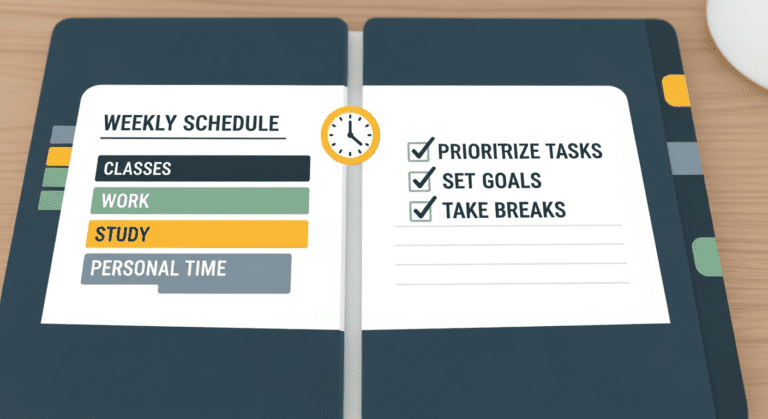

Mastering Time Management: Proven Strategies for Young Adults in the USA
In today’s fast-paced world, effective time management is essential for young adults striving to achieve their goals and maintain a healthy work-life balance. Whether you’re juggling career ambitions, personal growth, or social activities, mastering time management can significantly boost productivity and reduce stress.
Understanding the Importance of Time Management
Time management is not just about organizing your schedule – it’s about optimizing how you spend your hours to maximize results. For young adults in the USA, this skill directly impacts personal development, career success, and overall well-being. Proper time management helps prevent burnout, increases focus, and allows for more meaningful leisure activities.
Key Components of Effective Time Management
Setting Clear Goals
Define SMART goals (Specific, Measurable, Achievable, Relevant, Time-bound) to create a focused plan. Clarity on what you want to accomplish helps prioritize tasks effectively.
Prioritizing Tasks
Use tools like the Eisenhower Matrix to distinguish between urgent and important activities. Focus on high-impact tasks that align with your long-term objectives.
Planning Your Day
Adopt planning methods such as daily to-do lists or digital apps like Todoist. Allocate specific time blocks for each activity, including breaks to recharge.
Practical Strategies for Better Time Management
1. Use Time-Blocking Techniques
Segment your day into dedicated blocks for work, exercise, learning, and relaxation. This prevents multitasking and boosts focus. For example, schedule mornings for deep work and afternoons for meetings or socializing.
2. Leverage Technology
Utilize calendar apps and productivity tools to automate reminders and track tasks. Popular options include Google Calendar and Notion.
3. Minimize Distractions
- Turn off non-essential notifications
- Designate specific times for social media
- Create a clutter-free workspace
4. Practice the Pomodoro Technique
Work in focused intervals of 25 minutes, followed by a 5-minute break. After four cycles, take a longer break. This method enhances concentration and stamina.
5. Reflect and Adjust
Regularly review your progress and adjust your plans accordingly. Use journaling or apps like RescueTime for insights into your habits.
Common Pitfalls and How to Avoid Them
- Overcommitting: Learn to say no to non-essential tasks.
- Neglecting Breaks: Short breaks improve long-term focus.
- Ignoring Priorities: Stick to your priority list to stay on track.
Real-World Examples and Tools
Many successful young adults in the USA leverage tools like minimalist habits and digital planners to streamline their routines. For instance, implementing a morning routine can set a productive tone for the day.
FAQs on Time Management for Young Adults
Q1: How can I stay motivated to manage my time effectively?
Break your goals into smaller milestones and celebrate each achievement. Visualize the benefits of your organized schedule to maintain motivation.
Q2: What are some essential tools for time management?
Popular tools include Google Calendar, Todoist, Evernote, and Pomodoro timers like TomatoTimer. Experiment to find what fits your style best.
Q3: How often should I review my time management strategies?
Weekly reviews help identify bottlenecks and adjust plans. Regular reflection ensures continuous improvement.
Q4: Is multitasking effective for time management?
No, multitasking often reduces productivity. Focus on one task at a time for optimal results.
Q5: How do I handle unexpected interruptions?
Build buffer time into your schedule and communicate boundaries to colleagues or friends when necessary.
Conclusion: Take Control of Your Time Today
Implementing proven time management strategies can transform your daily routine, helping you achieve more with less stress. Remember, the key is consistency and continuous refinement. Start small, stay focused, and watch your productivity soar.
For additional tips on personal growth and productivity, explore our personal growth section or check out our comprehensive minimalist habits guide.
Actionable Takeaways
- Set SMART goals for each day/week
- Use time-blocking to structure your schedule
- Limit social media and digital distractions
- Regularly review and adapt your approach




0 Comments