



The Ultimate Guide to Improving Gut Health Naturally: Tips for Young Adults in Luxembourg
Are you experiencing bloating, irregular digestion, or frequent stomach discomfort? If so, your gut health might need some attention. Gut health plays a vital role in overall well-being, affecting everything from immunity to mental clarity. In this guide, you’ll discover actionable, science-backed strategies designed specifically for young adults in Luxembourg to enhance gut function naturally.
Understanding Gut Health and Its Importance
Your gut microbiome — the trillions of bacteria residing in your digestive tract — influences your health profoundly. A balanced microbiome supports digestion, nutrient absorption, immune defense, and even mood regulation.
Research shows that poor gut health correlates with issues like inflammation, fatigue, mental fog, and skin problems. The good news? You can improve your gut naturally without relying solely on supplements or medication.
Key Factors Affecting Gut Health in Young Adults
- Diet: Unhealthy foods, processed snacks, and sugary drinks upset microbiome balance.
- Stress: Chronic stress affects gut motility and increases inflammation.
- Sleep: Poor sleep impairs digestion and gut barrier function.
- Antibiotics and Medication: Overuse can deplete beneficial bacteria.
- Lifestyle: Sedentary habits negatively impact gut diversity.
Effective Natural Strategies to Improve Gut Health
1. Adopt a Gut-Friendly Diet
Focus on eating whole, minimally processed foods that support beneficial bacteria. Incorporate:
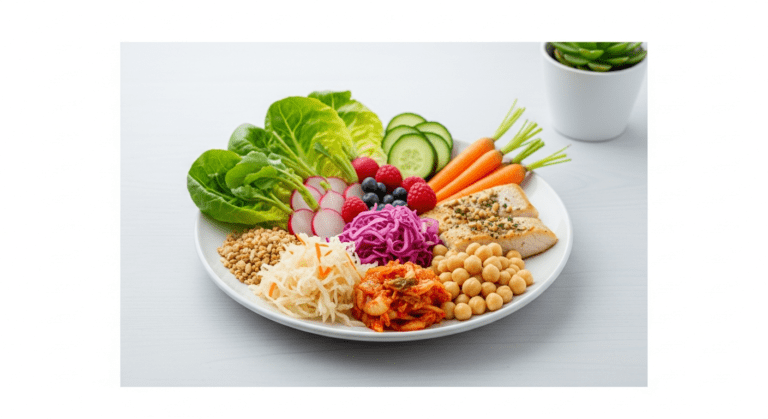
- Fermented foods: Sauerkraut, kimchi, kefir, and yogurt boost probiotics.
- High-fiber foods: Whole grains, fruits, vegetables, nuts, and seeds facilitate healthy digestion.
- Prebiotic foods: Garlic, onions, leeks, bananas, and asparagus nourish existing good bacteria.
Limit intake of refined sugars, artificial sweeteners, and heavily processed items that disrupt microbiome balance.
2. Prioritize Sleep and Stress Management
Consistent, quality sleep supports gut barrier integrity. Aim for 7–9 hours per night. Use techniques like meditation, deep breathing, or yoga to manage stress, which can otherwise trigger gut inflammation.
For stress relief, consider apps such as meditation guides tailored for young adults.
3. Engage in Regular Physical Activity
Exercise enhances gut motility and diversity of microbiota. Aim for at least 150 minutes of moderate activity weekly, such as brisk walking, cycling, or yoga.
4. Hydrate Adequately
Drink plenty of water throughout the day. Proper hydration aids digestion and helps flush out toxins. Consider herbal teas like ginger or peppermint for digestive support.
5. Avoid Unnecessary Antibiotics and Medications
Use antibiotics only when prescribed and necessary. Talk to your healthcare provider about probiotic supplements if you’ve recently taken antibiotics.
Additional Tips for Keeping Your Gut Healthy
- Eat mindfully, chewing foods thoroughly to aid digestion.
- Limit alcohol consumption, which can impair gut barrier function.
- Implement intermittent fasting occasionally to allow gut rest and repair.
- Consider natural supplements like probiotics or digestive enzymes after consulting with a healthcare professional.
Common Questions About Gut Health
Q1: How long does it take to see improvements in gut health?
Most individuals notice benefits within 2–4 weeks of consistent dietary and lifestyle changes. Full microbiome restoration may take several months.
Q2: Can stress really affect my gut?
Absolutely. Chronic stress alters gut motility and increases inflammation, leading to symptoms like bloating and discomfort. Managing stress is crucial for gut health.
Q3: Are there specific foods I should avoid?
Limit refined sugars, artificial sweeteners, fried foods, and excessive alcohol. These can disrupt your microbiome and cause digestive issues.
Q4: Should I consider probiotics?
Probiotics may help, especially after antibiotics or during probiotic-deficient diets. Choose strains backed by science, such as Lactobacillus and Bifidobacterium.
Conclusion: Embrace a Holistic Approach for Gut Wellness
Improving your gut health is a comprehensive process involving diet, lifestyle, and stress management. As a young adult in Luxembourg, integrating these natural strategies into your daily routine can lead to lasting benefits — better digestion, enhanced immunity, and improved mood.
Takeaway: Start small—swap processed snacks for fermented foods, prioritize sleep, and stay active. Over time, these habits will build a resilient, balanced gut microbiome that supports your overall health and vitality.
External Resources & References
FAQs
1. Can I improve my gut health without supplements?
Yes. Focus on whole foods, probiotics from fermented products, and lifestyle modifications. Supplements are optional and should be discussed with a healthcare provider.
2. How often should I eat fermented foods?
Incorporate fermented foods daily or at least several times a week for optimal benefits.
3. Is bloating always a sign of poor gut health?
Not always, but persistent bloating can indicate imbalance or sensitivity. Consult a healthcare professional if symptoms persist.
4. Are natural remedies effective for gut health?
Many natural strategies like diet, stress management, and hydration are effective. However, individual needs vary, so personalize your approach.




0 Comments