



Ultimate Guide to Building an Emergency Fund for Young Adults in the USA
In today’s unpredictable economic climate, having a solid emergency fund is essential, especially for young adults navigating the early stages of financial independence. Whether you’re just starting your career or planning for future uncertainties, an emergency fund provides peace of mind and financial stability. This comprehensive guide walks you through the essentials of building, managing, and maximizing your emergency savings effectively.
Understanding the Importance of an Emergency Fund
An emergency fund is a dedicated savings account designed to cover unexpected expenses — medical emergencies, job loss, car repairs, or urgent home maintenance. For young adults in the USA, such a fund can prevent debt accumulation and protect your credit score.
Research shows that most Americans lack enough savings for emergencies. Building this fund early is crucial to shield yourself from financial surprises.
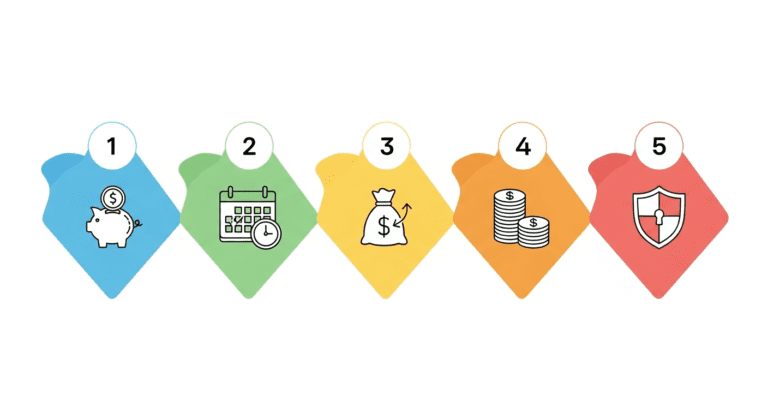
Step-by-Step Guide to Building Your Emergency Fund
1. Set a Realistic Savings Goal
The standard recommendation is to save enough to cover 3 to 6 months of living expenses. For a young adult earning $50,000 annually, that might be between $12,500 and $25,000.
Start with a manageable target, such as $1,000 or one month of expenses, then gradually increase it.
2. Track Your Expenses and Income
Use budgeting tools like Mint or Personal Capital to analyze your spending patterns. Identify areas where you can cut back and allocate those savings toward your emergency fund.
3. Automate Your Savings
Set up automatic transfers from your checking account to your dedicated emergency savings account after each paycheck. Even saving $50 a week adds up over time.
Utilize high-yield savings accounts to maximize interest rates and grow your fund faster.
4. Cut Unnecessary Expenses
- Limit dining out and entertainment costs
- Cancel unused subscriptions
- Cook at home more often
- Buy generic brands
Redirect those savings directly into your emergency fund.
5. Increase Savings with Extra Income
Consider side hustles, freelance gigs, or selling unused items to accelerate your savings process.
Check out these side hustle ideas for inspiration.
Tips for Managing and Growing Your Emergency Fund
- Keep the fund liquid: Use high-yield savings accounts or money market accounts for easy access.
- Avoid tempting use: Resist the urge to dip into the fund for non-emergencies of minor importance.
- Regularly review: Reassess your needs annually and adjust your savings goal accordingly.
Making consistent contributions and managing your expenses diligently are the keys to a resilient emergency fund.
Common Mistakes to Avoid
- Not setting clear savings goals
- Failing to automate savings
- Using the emergency fund for trivial expenses
- Not updating your fund as expenses grow
Stay disciplined and flexible, ensuring your emergency fund remains a reliable safety net.
FAQs About Building an Emergency Fund
1. How much money should I aim to save in my emergency fund?
Typically, aim for 3 to 6 months of living expenses. For many young adults, starting with $1,000 and increasing over time is a smart approach.
2. What is the best account type for my emergency fund?
A high-yield savings account offers quick access, safety, and better interest rates, making it ideal for emergency savings.
3. How long does it take to build an emergency fund?
It varies based on income and savings rate. Saving $50 weekly can build $1,000 in about 20 months, but increasing your savings rate shortens this timeframe.
4. Can I use my emergency fund for other financial goals?
It’s best to reserve your emergency fund strictly for unexpected expenses. For goals like a vacation or new gadget, consider separate savings.
Conclusion: Start Building Your Safety Net Today
Creating an emergency fund is a vital step toward financial independence and security for young adults in the USA. By setting clear goals, automating savings, and managing expenses wisely, you can build a cushion that provides peace of mind during life’s uncertainties.
Take action now— think about your current expenses, set your target, and begin small. Over time, your discipline will turn this habit into a powerful financial shield.
Actionable Takeaways
- Start with a $1,000 emergency fund or 1 month of expenses
- Use a high-yield savings account for safety and growth
- Automate regular transfers to your emergency fund
- Review and adjust your savings goals annually
For more tailored advice, explore our related articles on building your emergency fund and simplifying your financial life.




0 Comments