


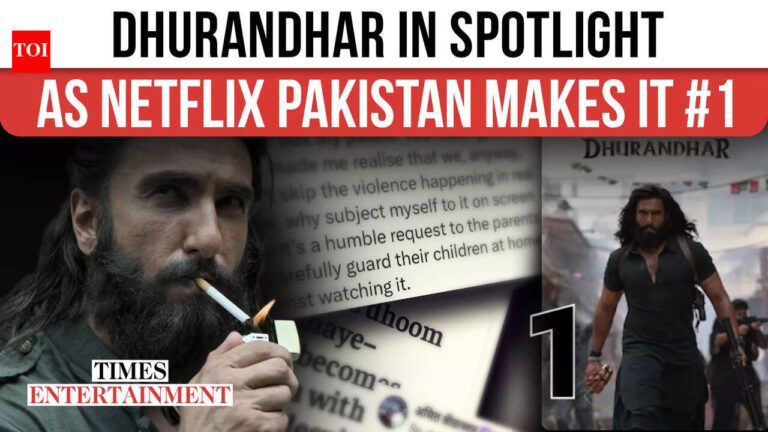

Understanding the Impact of Dhurandhar’s Netflix Success and Controversies in Pakistan
In recent months, the Indian film Dhurandhar has become a viral sensation across streaming platforms, especially Netflix Pakistan. Despite facing theatrical bans inPakistan, the movie’s digital release has sparked significant discussion, controversy, and audience reactions. This guide explores everything you need to know about Dhurandhar’s rising popularity on Netflix, its box office implications, and the broader cultural and political impact.
What is Dhurandhar? An Overview
Dhurandhar is a Bollywood film starring Ranveer Singh, directed by Aditya Dhar. The film was released digitally on January 30, 2026, and quickly became a trending topic in Pakistan and India. It is notable not only for its cinematic content but also for its socio-political significance, as its release amidst bans in certain regions drew widespread media attention.
Netflix Pakistan’s Surge in Popularity
Within days of its release, Dhurandhar reached the #1 position on Netflix Pakistan’s trending list. Despite being theatrically banned in Pakistan, audiences there showed overwhelming enthusiasm for the film, with many claiming it to be “the best Bollywood movie ever.”
- The film’s popularity on Netflix Pakistan defied traditional censorship and distribution restrictions.
- Pakistani viewers’ engagement reflects broader trends of digital consumption bypassing governmental bans.
- The trend demonstrates how digital platforms influence cultural exchange despite political barriers.
Box Office and Revenue Losses
Despite its digital success, Dhurandhar faced significant financial losses in its theatrical run. A distributor revealed that the film lost approximately $10 million (around Rs 75 crore) due to its exclusion from Gulf and Pakistani markets.
This underscores the tension between theatrical broadcasting restrictions and the rising dominance of streaming services, especially in politically sensitive regions.
Political and Cultural Controversies Surrounding Dhurandhar
The Ban in Pakistan
The film’s banning in Pakistan was rooted in political tensions and cultural sensitivities. Despite this, the digital influx allowed Pakistani audiences to access and enjoy the movie, highlighting the limitations of censorship in the era of global streaming.
Audience Reactions and Social Media Buzz
On social media, fans celebrated Dhurandhar’s narrative and performance, with many calling for its official release in Pakistan. The contrast between government bans and audience enthusiasm symbolizes a broader disconnect in cultural policies versus public demand.
Implications for the Film Industry and International Streaming
The success of Dhurandhar on Netflix Pakistan signifies a shift in how regional politics influence entertainment consumption. Streaming platforms like Netflix are increasingly becoming battlegrounds for cultural influence, overshadowing traditional theatrical models in certain regions.
This trend encourages filmmakers to consider digital and global audiences, especially in politically restrictive environments, potentially altering traditional distribution strategies.
Key Takeaways
- Digital streaming platforms can bypass regional censorship and bans, increasing film reach.
- Pakistani audiences show strong appetite for Bollywood content despite political restrictions.
- Taboos and bans are challenged by the global nature of digital content consumption.
- Revenue losses highlight ongoing challenges in balancing theatrical and digital rights, especially in sensitive regions.
FAQs About Dhurandhar’s Netflix Success and Political Impact
Q1: Why was Dhurandhar banned in Pakistan?
It was banned due to political tensions and cultural sensitivities related to its content, which was seen as controversial by authorities.
The film quickly topped Netflix Pakistan’s trending charts, reaching the number one spot within days, indicating massive audience interest.
Q3: What does Dhurandhar’s success imply for regional censorship?
It shows that digital streaming can often bypass governmental bans, allowing audiences to access content despite restrictions.
Q4: Are there risks for filmmakers releasing films in politically sensitive regions?
Yes, including potential bans, revenue loss, and political backlash. However, digital platforms can mitigate some of these risks by reaching wider audiences.
Q5: Will Dhurandhar be officially released in Pakistan?
There is no official update yet; however, streaming success may pressure authorities to reconsider bans or censorship policies.
Conclusion
The case of Dhurandhar illustrates the growing influence of digital platforms in shaping film distribution and consumption, especially in regions with political restrictions. Its popularity on Netflix Pakistan despite bans highlights a shift towards a more open, globalized entertainment landscape. As streaming services continue to grow, filmmakers and distributors must adapt to these changes to maximize reach and revenue. For viewers, it signifies the increasing power of digital media as a tool for bypassing censorship and accessing diverse content worldwide.
Whether you’re a film enthusiast, a content creator, or a policy analyst, recognizing these trends is essential for understanding the future of entertainment in a digitally connected world.
To stay updated on similar topics, explore our articles on making content appealing, building impactful relationships, and regional infrastructure investments.




0 Comments