



Ultimate Guide to Ranking Higher on Google: Proven Strategies for SEO Success
Struggling to get your website to rank on the first page of Google? You’re not alone. With millions of websites competing for attention, understanding how to optimize your content for search engines is crucial. In this comprehensive guide, we’ll explore actionable SEO strategies that help your website outperform competitors, attract organic traffic, and establish authority in your niche. Whether you’re a beginner or looking to refine your approach, these tactics will set you on the path to Google success.
Understanding Search Intent and Choosing the Right Keywords
What is Search Intent?
Search intent reflects what users expect to find when they type a query into Google. It’s essential to align your content with this intent, which generally falls into four categories: informational, transactional, navigational, and commercial investigation.
For example, a search for “how to start a blog” is informational, while “buy DSLR camera” is transactional. Knowing this helps craft content that directly answers the searcher’s needs, increasing your chances of ranking well.
Keyword Strategy for SEO Domination
Effective keyword targeting involves selecting a primary keyword and multiple secondary and LSI (Latent Semantic Indexing) keywords to cover all aspects of the topic. For example:
- Primary keyword: SEO strategies for 2024
- Secondary keywords: improve Google ranking, on-page SEO tips, backlink building
- LSI keywords: keyword optimization, SEO audit tools, content marketing, organic traffic
This ensures your content is comprehensive, relevant, and optimized for multiple search queries.
Competitive Gap Analysis: Outranking Top Search Results
Most top-ranking articles are outdated, generic, or lack depth. To stand out, analyze these pages and identify gaps:
- Missing recent updates or trends in SEO
- Lack of actionable steps or real-world examples
- Insufficient coverage of on-page and technical SEO
- No focus on user experience (UX) factors or website speed
By addressing these gaps, your content will be more valuable and authoritative, boosting your ranking potential.
Structuring Content for SEO & Readability
Use of Headings & Hierarchy
Implement a clear H1-H2-H3 hierarchy to organize information logically. Each H2 should target a specific keyword cluster, while H3s can break down detailed subtopics.
Formatting Tips
- Keep paragraphs short (2-4 lines) for readability
- Use bullet points and tables for clarity
- Highlight keywords with bold naturally within the text
- Include internal links to relevant articles, like ways to attract women or building relationships
Optimizing for Featured Snippets & People Also Ask
Answer common questions directly in your content to increase chances of featured snippets:
- How do I improve my SEO rankings? Focus on high-quality content, keyword optimization, and technical SEO.
- What are the best tools for SEO? Use platforms like Ahrefs, SEMrush, or Google Search Console for comprehensive insights.
- How long does SEO take to show results? Generally, it takes 3-6 months to see significant improvements.
Integrate these into your FAQ section for maximum visibility.
Step-by-Step SEO Optimization Checklist
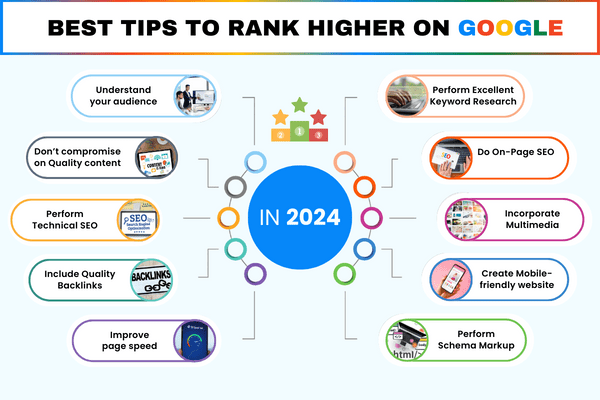
- Conduct Keyword Research targeting low competition, high volume keywords.
- Perform Competitor Analysis to identify gaps and opportunities.
- Optimize On-Page Elements: Title tags, meta descriptions, headers, URLs, and images.
- Create Exceptional Content that thoroughly covers the topic with examples, visuals, and actionable tips.
- Improve Technical SEO: Site speed, mobile responsiveness, site structure, schema markup.
- Build Quality Backlinks through guest posting, partnerships, and authoritative directories.
- Monitor & Adjust your strategy regularly using analytics tools.
Measuring SEO Success
Track your progress with key metrics:
- Organic traffic growth
- Keyword rankings
- Backlink profile
- Click-through rate (CTR)
- Bounce rate and dwell time
Use tools like Google Analytics and SEMrush to analyze data and refine your strategy.
Conclusion & Key Takeaways
Mastering SEO requires a strategic combination of keyword research, competitive analysis, high-quality content, technical fixes, and link building. By aligning your efforts with search intent and filling content gaps left by competitors, you’ll increase your chances of ranking higher on Google. Remember, SEO is an ongoing process — stay updated with the latest trends and continuously optimize your site.
FAQs
1. How long does it take to rank on Google?
Typically, it takes between 3 to 6 months to see significant ranking improvements, but this varies based on competition and strategy effectiveness.
2. What is the most important factor for SEO?
Content quality combined with technical SEO and backlinks are the most critical factors influencing rankings.
3. How often should I update my SEO strategy?
Regularly, at least every 3-6 months, to adapt to algorithm changes and new competitive insights.
4. Can I rank on Google without backlinks?
It’s challenging but possible with highly optimized content and strong on-page SEO. However, backlinks significantly boost ranking potential.
5. What are common SEO mistakes to avoid?
Keyword stuffing, neglecting mobile optimization, ignoring page speed, and lack of quality backlinks are common errors.




0 Comments