


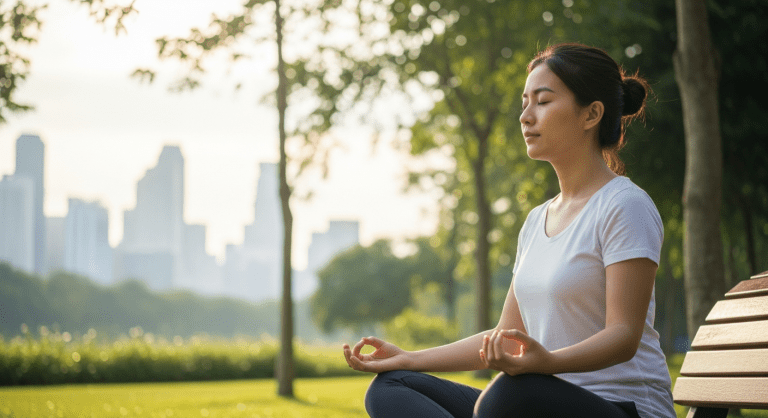

Effective Breathing Techniques for Stress Relief: A Complete Guide for Young Adults in Singapore
Are you feeling overwhelmed by daily stress? Discover proven breathing techniques that can help you manage stress effectively. This guide is tailored for young adults in Singapore looking for simple, science-backed methods to boost mental clarity and emotional balance.
Understanding the Power of Breathing for Stress Management
Breathing is a fundamental physiological process, but did you know that proper breathing techniques can significantly reduce stress levels? When you experience stress, your body triggers a fight-or-flight response, leading to rapid shallow breaths. Learning to control your breath can activate your parasympathetic nervous system, promoting relaxation.
Why Breathing Techniques Are Effective for Stress Relief
- Immediate calming effect: Slows down heart rate and lowers cortisol levels
- Accessible anytime: No equipment needed, easy to practice anywhere
- Enhanced focus: Improves concentration and mental clarity
- Helps regulate emotions: Reduces anxiety and promotes emotional resilience
Top Breathing Techniques for Young Adults in Singapore
1. Diaphragmatic (Belly) Breathing
This technique involves breathing deeply into your diaphragm, not just your chest.
- Lie down or sit comfortably
- Place a hand on your chest and the other on your belly
- Breathe in slowly through your nose, expanding your belly
- Exhale gently through your mouth or nose, letting your belly collapse
- Repeat for 5–10 minutes
2. 4-7-8 Breathing Exercise
This method, popularized by Dr. Andrew Weil, is effective for promoting calmness before sleep or stressful situations.
- Inhale quietly through your nose for 4 seconds
- Hold your breath for 7 seconds
- Exhale completely through your mouth for 8 seconds
- Repeat the cycle 4–8 times
3. Box Breathing (Square Breathing)
Often used by athletes and military personnel, this technique enhances focus and reduces anxiety.
- Inhale through your nose for 4 seconds
- Hold your breath for 4 seconds
- Exhale slowly for 4 seconds
- Hold your breath again for 4 seconds
- Repeat for 5 minutes
Implementation Tips for Young Adults in Singapore
- Practice in a quiet, comfortable space—your bedroom, office, or park
- Set reminders to practice at least twice daily
- Combine breathing with mindfulness or meditation for enhanced benefits
- Avoid practicing immediately after meals or during high physical activity
- Use apps like Headspace or Calm for guided sessions
Common Mistakes to Avoid While Practicing Breathing Techniques
- Practicing shallow breathing instead of diaphragmatic breathing
- Holding your breath too long or forcing breath retention
- Practicing in a rushed or distracted manner
- Expecting instant results—consistency is key
Scientific Evidence Supporting Breathing for Stress Relief
Research shows that controlled breathing can lower cortisol levels, decrease blood pressure, and improve heart rate variability. For example, a study published in the Journal of Clinical Psychology found that diaphragmatic breathing significantly reduces anxiety symptoms.
Additional Tools and Resources
- Meditation and breathing apps
- Sleep improvement resources
- Professional therapy or stress management programs if stress becomes overwhelming
FAQs: Breathing Techniques and Stress
Q1: How long should I practice breathing exercises daily?
Start with 5–10 minutes twice daily. Consistency yields better results over time.
Q2: Can breathing techniques replace medication for anxiety?
While beneficial, they are complementary tools. Consult a healthcare professional for severe anxiety or mental health conditions.
Q3: Are there any risks associated with breathing exercises?
Generally safe for healthy individuals. Avoid over-breathing or hyperventilating, and stop if you feel dizzy or uncomfortable.
Q4: Can I practice breathing techniques during stressful exams?
Absolutely. Short breathing exercises can help reduce exam anxiety and improve focus.
Q5: How soon can I expect to feel the benefits?
Some people notice immediate calming effects, but significant stress reduction typically occurs with regular practice over weeks.
Conclusion & Actionable Takeaways
Breathing techniques are a simple yet powerful method to manage stress, especially for young adults juggling multiple responsibilities in Singapore. Incorporate diaphragmatic, 4-7-8, or box breathing into your daily routine to improve mental clarity, emotional resilience, and overall well-being.
Start today: dedicate just 5 minutes to deep breathing exercises, and gradually increase as you experience benefits. Consistency is key to mastering these techniques and enjoying a calmer, more focused mind.
For more tips on mental health and wellness tailored to young adults, explore our guides on meditation practices and gut health.




0 Comments