


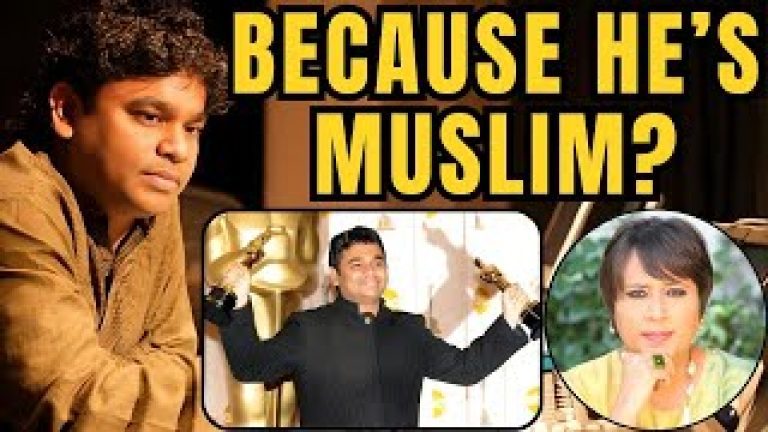

AR Rahman Bollywood Communal Controversy: Full Breakdown and Impact
AR Rahman, the internationally acclaimed Oscar-winning music composer, found himself in the middle of a heated controversy following his recent comments on industry biases and communal issues within Bollywood. His public clarification and the surrounding backlash highlight ongoing tensions over representation, power shifts, and prejudices in Indian cinema. This comprehensive guide breaks down the incident, its implications, and what it means for Bollywood’s future.
Understanding the Roots of the Controversy
Background of AR Rahman’s BBC Interview
On January 18, 2026, AR Rahman spoke with the BBC Asian Network about the current state of Bollywood. During this interview, he suggested that a slowdown in his recent projects over the past eight years might be linked to a “power shift” away from creative talents toward non-creatives or possibly “communal” influences. He also publicly criticized the film Chhaava, calling it a “divisive” movie that exploited societal divides for commercial gain.
Key Facts and People Involved
- Interview Date: January 18, 2026
- AR Rahman: Composer and industry veteran defending artistic integrity
- Vicky Kaushal’s Chhaava: The film Rahman criticized as divisive
- Reactions: Kangana Ranaut, Javed Akhtar, Shobhaa De, and others making various statements
Details of Rahman’s Remarks
In the interview, Rahman acknowledged he doesn’t feel prejudice against Tamils or Muslims but speculated that recent industry changes post-2018 reflect more profound societal shifts. He also expressed curiosity about why he was brought onto Chhaava despite his reservations and suggested that some projects might be driven more by communal narratives than artistic merit.
Rahman’s Clarification: A Deep Dive
The Video Statement (January 18, 2026)
In his subsequent video on Instagram, Rahman clarified his stance, emphasizing that “India is my inspiration, my teacher, and my home”. He stressed he never intended to cause pain or stir communal tensions. Instead, he highlighted his ongoing efforts to promote inclusive and multicultural initiatives, including:
- Mentoring programs like JHALAA
- All-women music collective Rooh-E-Noor led by his daughter Khatija Rahman
- Projects like Sunshine Orchestra and collaborations with Nagas musicians
- India’s first multicultural virtual band Secret Mountain
- Co-scoring the upcoming film Ramayana with Hans Zimmer
Industry and Public Reaction
While many appreciated Rahman’s reaffirmation of his patriotism and commitment to multiculturalism, reactions remained polarized. Notably:
- Kangana Ranaut sharply criticized Rahman, alleging he was “most prejudiced and hateful,” and claimed he refused to collaborate on her film Emergency, branding it as “propaganda.”
- Javed Akhtar disagreed, calling Rahman’s remarks genuine and rooted in concern for art.
- Shobhaa De called the accusations “dangerous” and defended Bollywood’s multicultural fabric.
Why Is This Trending? Impact on Bollywood & Society
The Broader Significance
This controversy taps into ongoing debates about industry inclusivity, political influences, and communal bias in Indian cinema. The incident highlights how even celebrated artists like Rahman are vulnerable to politicized narratives and social media polarization.
Societal and Political Context
India has long grappled with issues of representation, communal tensions, and cultural nationalism. Rahman’s remarks resonate with audiences concerned about the loss of artistic diversity and perceived biases based on caste, religion, or regional identity.
Exploring the Key Themes: Bias, Power, and Inclusivity
Bias and Prejudice in Bollywood
Rapidity of social media reactions reveals ongoing anxieties about **systemic bias**, whether against regional communities or minority groups. Critics argue that industry gatekeeping often sidelines diverse voices, favoring certain narratives or backgrounds.
Power Shifts in Indian Cinema
The recent industry trends suggest a shift in influence from traditional stalwarts to new creators aligned with political or societal currents. Rahman’s comments spotlight concerns over how this affects artistic freedom and meritocracy.
Efforts Toward Inclusivity
Rahman’s initiatives, such as mentoring diverse artists and promoting multicultural projects, exemplify proactive steps toward a more inclusive Bollywood. For example, building strong creative collaborations and supporting underrepresented groups can counteract divisive narratives.
Frequently Asked Questions (FAQs)
1. What exactly did AR Rahman say about Bollywood’s communal bias?
In his BBC interview, Rahman speculated that industry changes post-2018 indicate a shift toward non-creatives and possibly communal influences, which might impact project choices and artistic freedom.
2. Why did Rahman clarify his remarks after the backlash?
Rahman aimed to reaffirm his patriotism, emphasize his dedication to multiculturalism, and clarify that his comments were not meant to accuse or offend any community but to highlight concerns about industry dynamics.
3. How has the industry responded to Rahman’s remarks?
Reactions varied from supportive voices praising his honesty to critics like Kangana Ranaut accusing him of prejudice. Debates continue on social media about bias and representation in Bollywood.
4. What initiatives has Rahman undertaken to promote multiculturalism?
He mentors young artists, has launched all-women music projects, collaborates on virtual bands like Secret Mountain, and co-scores films like Ramayana, all aimed at fostering diversity.
5. What does this controversy reveal about Bollywood today?
It exposes ongoing tensions over inclusion, the influence of political and societal narratives, and the struggle to balance artistic freedom with industry pressures.
Conclusion: Navigating Bias and Inclusion in Indian Cinema
AR Rahman’s recent comments and subsequent clarification have ignited an important dialogue about bias, power, and diversity in Bollywood. While opinions differ, it underlines the need for greater inclusivity and genuine representation in Indian cinema. By supporting multicultural initiatives and fostering open discussions, the industry can move towards a more equitable future.
For industry insiders, fans, and stakeholders, this incident is a reminder that authentic voices like Rahman’s are vital to shaping a more inclusive entertainment landscape. Progress depends on honest conversations, respectful dialogues, and collective efforts towards diversity.




0 Comments