


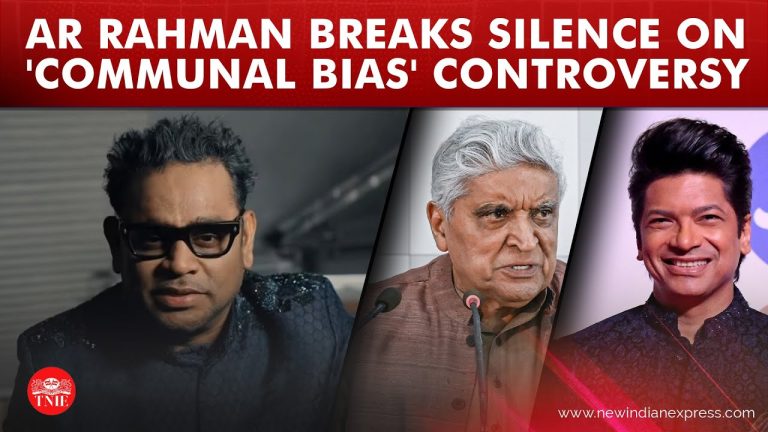

AR Rahman Bollywood Communal Controversy: What You Need to Know
In recent developments, Oscar-winning composer A.R. Rahman has sparked widespread debate within the Indian entertainment industry and among fans worldwide. His remarks in a BBC Asian Network interview hint at deeper issues related to communal biases and power shifts in Bollywood, raising questions about inclusivity and industry dynamics. This article explores the controversy, Rahman’s clarifications, industry reactions, and what it means for Indian cinema’s future.
Understanding the Controversy: Rahman’s Remarks and Their Significance
During a recent interview on BBC Asian Network, A.R. Rahman alluded to a possible “communal” undercurrent and a shifting power dynamic in Bollywood. He expressed concerns that non-creative influences might be affecting opportunities for talented artists, especially those from South Indian and non-Maharashtrian backgrounds. Notably, Rahman suggested that his reduced presence in Hindi films over the past eight years might partly stem from these industry changes, but he emphasized this was based on “Chinese whispers” rather than direct discrimination.
Rahman also mentioned the film Chhaava as being “divisive” yet an honor to score, implying that some projects may carry underlying communal tensions. While he clarified he has faced no direct bias, his comments resonated with a sense of caution about the industry’s current political and social climate.
Rahman’s Clarification and His Message to Fans
On Instagram on January 18, 2026, Rahman posted a heartfelt video to clarify his statements. He emphasized his deep love for India and his belief that music can serve as a unifying force beyond caste, religion, or politics. Rahman stated:
“My intention was never to cause pain or divide. I cherish India and its diverse cultures and believe in the power of music to bring people together.”
This clarification aimed to dispel misunderstandings and reaffirm his commitment to harmony and inclusivity in art.
Reactions from Industry Heavyweights and Public Figures
The controversy quickly drew attention from Bollywood stalwarts and industry observers:
- Shobhaa De called Rahman’s comments “dangerous,” highlighting her 50-year career in Bollywood, which has been largely free from communal tensions and talent-based conflicts. She emphasized that success should depend on skill, not background.
- Javed Akhtar expressed doubt that Rahman made such remarks intentionally, attributing the statements to awe or fear rooted in Rahman’s stature within the industry.
- Shaan denied any bias related to community or minority status, stating the comments are personal opinions and should not be generalized.
- Barkha Dutt engaged in discussions with journalists like Raja Sen, Kushal Mehra, and historian Irfan Habib, comparing Rahman’s remarks to the backlash faced by Aamir Khan in 2015 over intolerance debates.
The Broader Context: Bollywood, Politics, and Social Tensions
This controversy is not isolated; it echoes ongoing debates around political influence, communal tensions, and industry inclusivity. Bollywood, often seen as a reflection of Indian society, has historically been a space where talent prevails regardless of background. However, recent years have seen increased politicization and social divides, affecting how industry insiders and audiences perceive talent and opportunity.
Rahman’s position as a globally respected artist from a Tamil background further underscores that biases—whether real or perceived—may impact even highly acclaimed talents. This has prompted a wider conversation about the need for a more equitable and diverse industry environment.
Implications for Indian Cinema’s Future
The controversy raises critical questions:
- Will Bollywood address issues related to bias and power dynamics?
- Can the industry reaffirm its commitment to talent over communal backgrounds?
- How will this affect the careers of artists from diverse regions?
- What role do industry leaders and policymakers need to play in fostering inclusivity?
While these questions are complex, the ongoing debate offers an opportunity for self-reflection and reform within Indian cinema, emphasizing that true talent and artistic integrity should always be prioritized.
Related Projects Highlighted by Rahman
Despite the controversy, Rahman continues to work on several big projects, emphasizing his dedication to meaningful art. These include:
- Jala
- Ruhi Noor
- Sunshine Orchestra
- Secret Mountain
- And the upcoming Ramayana project with legendary composer Hans Zimmer
Conclusion: Navigating the Complexities of Talent, Bias, and Industry Politics
The recent comments by A.R. Rahman have reignited vital conversations about bias, representation, and industry power structures in Bollywood. While his clarifications aim to promote unity, the debate underscores the need for a more inclusive environment where talent from all backgrounds can thrive without fear of communal bias or political pressure.
As Bollywood and Indian society evolve, these discussions are essential for building a more fair and creative industry that truly celebrates talent beyond identity and background. Fans and industry insiders alike should focus on fostering an environment where music and storytelling unite, reflecting India’s rich diversity.
FAQs About AR Rahman and Bollywood Communal Controversy
1. Did A.R. Rahman accuse Bollywood of communal bias?
No, Rahman hinted at a possible “communal undercurrent” and a shift in power dynamics, but he clarified that he did not face direct discrimination.
2. How did Rahman clarify his comments?
Through an Instagram video on January 18, 2026, Rahman emphasized his love for India and the unifying power of music, stating he did not intend to cause division.
3. What has been the industry response?
Reactions have varied, with some calling the comments “dangerous” and others doubting their authenticity, citing admiration for Rahman’s talent and stature.
4. Will this controversy impact Rahman’s future projects?
While it remains to be seen, Rahman continues working on prominent projects, reaffirming his commitment to music that fosters unity.
5. How does this debate reflect broader social tensions in India?
The controversy highlights ongoing issues of political polarization and communal sensitivities, which are increasingly influencing Bollywood and cultural expression.
Final Thoughts
It is crucial for industry stakeholders, artists, and audiences to foster dialogue that emphasizes inclusivity and meritocracy. Celebrating diversity in talent and storytelling will help Bollywood maintain its global reputation as an entertainment hub that truly represents India’s multifaceted society.
For further insights into Indian cinema politics and industry trends, explore more at Nefe Blog.




0 Comments