


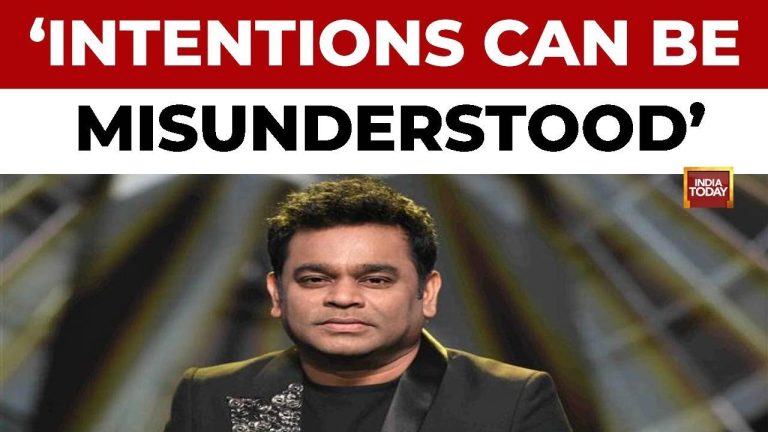

AR Rahman Clarifies Bollywood Communal Controversy: Impact and Insights
In recent weeks, a controversy surrounding renowned music composer AR Rahman has ignited intense discussions across India’s entertainment industry and social media platforms. Following a provocative BBC Asian Network interview, Rahman issued a heartfelt clarification on January 18, 2026, addressing allegations of communal bias and industry bias against South Indian artists. This in-depth analysis explores the background, implications, and the broader debate on Bollywood’s power dynamics and representation—crucial topics for music enthusiasts, industry insiders, and fans alike.
Understanding the Origin of the Controversy
The BBC Asian Network Interview: A Catalyst
On a recent episode of the BBC Asian Network, AR Rahman shared insights into his career trajectory and industry challenges. He highlighted a perceived decline in Bollywood projects over the past eight years, attributing this to a shift in industry power from creatives to corporate interests and possible communal biases.
Rahman pointed out that although his early films like Roja (1992), Bombay (1995), Dil Se (1998), and Taal (1999) were successful, recent years have seen fewer opportunities due to “Chinese whispers” and overriding of creative choices by influential music companies. He also criticized the film Chhaava as divisive, yet acknowledged it as a brave attempt to address sensitive issues.
The Backlash and Response
The interview’s revelations sparked sharp reactions from political and film personalities. Actress Kangana Ranaut accused Rahman of prejudice, citing his refusal to narrate the film Emergency and alleging it was dismissed as “propaganda” — despite her open saffron supportpolitics biases.
Contrarily, figures like Shobhaa De and Javed Akhtar defended Rahman, emphasizing his dedication and respect for Indian diversity. Musician Shaan and comedian Varun Grover expressed their support, highlighting the industry’s fragmentation and the importance of diverse voices amidst ongoing debates.
Rahman’s Clarification: A Message of Devotion and Unity
The Social Media Statement
On January 18, 2026, AR Rahman posted a sincere video message on Instagram, reaffirming his unwavering patriotism and love for music’s role in societal cohesion. He stated, “India is my inspiration, teacher, home… blessed for freedom of expression and multicultural voices.” The aim was to clarify misunderstandings and emphasize his commitment to unity through art.
Rahman listed ongoing projects such as Jhalaa (WAVES Summit), Rooh-e-Noor, collaborative efforts with Naga musicians, and scores like Ramayana with Hans Zimmer. He stressed that his intentions were never to cause pain but to foster harmony and cultural pride.
Implications for Bollywood and Indian Music Industry
Power Dynamics and Representation
This controversy underscores significant industry shifts. Bollywood’s core power has traditionally been concentrated among Maharashtrian and North Indian stakeholders, with South Indian artists like Rahman often playing secondary roles. His comments highlight ongoing struggles for greater representation of South Indian composers in Hindi cinema.
The debate also raises questions about communal bias, with evidence suggesting that creative opportunities may be influenced by political and cultural considerations rather than talent alone. As industry shifts towards corporate interests, artists from marginalized communities often face barriers to entry or fewer projects.
Industry Response and Future Outlook
While some industry veterans and fans support Rahman’s perspectives, others see this controversy as a reflection of deeper structural problems. Further discussions suggest that Bollywood needs to address issues of bias openly and foster an environment that promotes genuine creative diversity.
Initiatives aimed at diversifying talent, transparent hiring practices, and inclusive storytelling are likely to shape industry policies moving forward. Rahman’s outspoken stance could catalyze such reforms, promoting a more equitable industry landscape.
FAQs on AR Rahman and Bollywood Representation
Q1: What exactly did AR Rahman say about Bollywood in his BBC interview?
Rahman discussed a decline in opportunities over the past eight years, attributing it to shifts in industry power to non-creatives and possible communal biases, which he feels have impacted his work and others from South India.
Q2: How did AR Rahman clarify his comments after the backlash?
He posted a heartfelt video on Instagram reaffirming his devotion to India and emphasizing his efforts to promote multicultural harmony through music, stating that his comments were misunderstood and not meant to cause enmity.
Q3: Does this controversy indicate systemic bias in Bollywood?
It highlights ongoing issues of representation and possible communal bias, especially against South Indian artists in mainstream Hindi cinema. The debate emphasizes the need for greater inclusivity and transparency in industry practices.
Q4: How can Bollywood foster diversity following this controversy?
By implementing inclusive policies, encouraging diverse storytelling, and promoting equal opportunities for artists from all regions and communities, Bollywood can build a more equitable environment.
Q5: What role does music play in cultural unity according to Rahman?
Rahman believes music is a powerful tool to bridge cultural divides, foster harmony, and reflect India’s rich multicultural fabric.
Conclusion and Key Takeaways
The AR Rahman controversy has ignited critical conversations on the state of Bollywood, artistic representation, and communal biases. Rahman’s clarification underscores his unwavering dedication to Indian music and cultural unity. As the industry grapples with these revealing issues, this debate may serve as a catalyst for positive reforms that enhance diversity and fairness.
For music lovers and industry insiders, this situation offers a vital reminder: acknowledging challenges openly is the first step toward creating a more inclusive entertainment industry.
Actionable takeaway: Industry stakeholders and fans should advocate for transparency and inclusion, supporting diverse talents that reflect India’s rich cultural mosaic. Continued dialogue and reforms are essential for a vibrant, fair Bollywood ecosystem.




0 Comments