


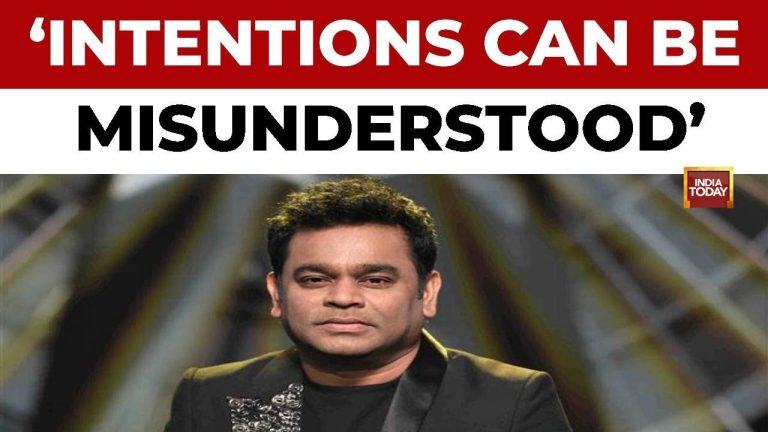

AR Rahman Addresses Controversy Over “Communal Bias” Comments in Bollywood
In recent weeks, one of India’s most celebrated composers, AR Rahman, found himself at the center of a heated debate after making remarks about the changing dynamics of Bollywood. Many fans and industry insiders are searching for clarity on what exactly happened, whether the controversy reflects systemic bias, and how Rahman responded. This comprehensive guide explains everything you need to know about the controversy, Rahman’s statements, industry reactions, and what it means for Indian cinema and music today.
What Led to the Controversy: AR Rahman’s Comments on Bollywood
During an interview with BBC Asian Network, AR Rahman commented on the recent slowdown of his work in Bollywood, mentioning concerns about shifts in industry power structures. His remarks sparked widespread discussions about possible underlying biases operating within the Hindi film industry.
Key statements by Rahman include:
- His work in Bollywood has slowed down in recent years, hinting at a “power shift” where “people who are not creative have the power now”.
- He suggested that this change might be linked to “communal bias”, implying that communal or religious factors could influence opportunities.
- He clarified that he has not personally faced discrimination but is observing industry patterns.
Rahman’s Clarification and His Cultural Perspective
Following the backlash, Rahman posted a video message on Instagram to clarify his remarks. He emphasized that music has always been his medium for cultural connecting and reiterated India’s diversity as his source of inspiration.
In his statement, Rahman highlighted:
- His commitment to India’s cultural mosaic, mentioning projects like Jala and collaborations with Naga musicians, which celebrate India’s pluralism.
- Upcoming projects such as Ramayana with Hans Zimmer that showcase India’s stories beyond communal lines.
- That his intention was never to hurt or make accusations but to express concerns about industry trends.
Industry Response: Support and Criticism
The controversy drew varied responses from prominent figures:
- Singer Shaan publicly disagreed with Rahman’s implications, asserting Bollywood remains merit-driven.
- Lyricist Javed Akhtar emphasized that success in Bollywood continues to be based on talent, not communal bias.
- Columnist Shobhaa De warned against dangerous narratives, calling Rahman’s comments “a very dangerous comment” that could fuel unnecessary communal tensions.
These differing perspectives highlight ongoing debates about representation, systemic bias, and merit in Indian entertainment industries.
Why Is This Trending? The Broader Conversation
The debate isn’t just about Rahman’s comments but taps into larger questions:
- Representation and Diversity: How inclusive is Bollywood and Indian music industry?
- Cultural Bias and Systemic Challenges: Are talented artists facing barriers based on communal lines?
- Industry Dynamics: Is there a shift in creative control and decision-making processes?
This controversy has sparked online discussions, social media debates, and media analyses, making it a topical issue for anyone interested in Indian cinema’s future.
Understanding the Context: The Reality Behind the Words
It’s important to analyze Rahman’s statements within the broader context of the Indian entertainment industry, which has historically navigated issues of diversity, representation, and meritocracy. While some see Rahman’s comments as a call for greater inclusivity, others view them as cautionary rhetoric about systemic changes that may require industry introspection.
Many industry insiders argue that talent and hard work still remain the primary criteria for success, though discussions about bias are ongoing and necessary for progress.
What Does This Mean for the Future of Indian Cinema and Music?
This controversy underscores the importance of addressing systemic biases and promoting genuine diversity in Bollywood and Indian music industries. It also highlights the need for open conversations about representation, opportunities, and cultural harmony.
Key takeaways for industry stakeholders:
- Encourage merit-based opportunities regardless of background.
- Foster an inclusive environment that respects India’s pluralistic heritage.
- Continuously evaluate industry practices to ensure fairness and transparency.
FAQs: Common Questions About AR Rahman Controversy
1. Did AR Rahman accuse Bollywood of communal bias?
No, Rahman suggested that industry dynamics might be influenced by communal factors but clarified he has not personally faced discrimination.
2. How did industry figures respond to Rahman’s comments?
Reactions ranged from support to criticism, with some emphasizing meritocracy and others warning against fueling divisive narratives.
3. What projects showcase Rahman’s commitment to India’s diversity?
Projects like Jala, collaborations with Naga musicians, the Sunshine Orchestra, and the upcoming Ramayana with Hans Zimmer highlight his dedication to cultural pluralism.
4. Is systemic bias a real issue in Bollywood?
While meritocracy is still dominant, discussions about representation and bias are ongoing in industry circles, making it an important area for continued focus.
5. How can the industry promote diversity effectively?
By implementing transparent selection processes, encouraging diverse talent, and fostering inclusive narratives in film and music projects.
Conclusion: Navigating Change in Indian Entertainment
The AR Rahman controversy offers a mirror to Indian cinema and music industries, reflecting both the progress made and the challenges ahead. Addressing concerns about bias and fostering a truly inclusive environment are vital for India’s cultural growth. Rahman’s voice, along with industry dialogues, can serve as catalysts for positive change—championing talent, diversity, and unity through art.
For more insights into Indian entertainment and cultural discussions, consider exploring ways to attract genuine appreciation or tips for building meaningful connections in culture.




0 Comments