


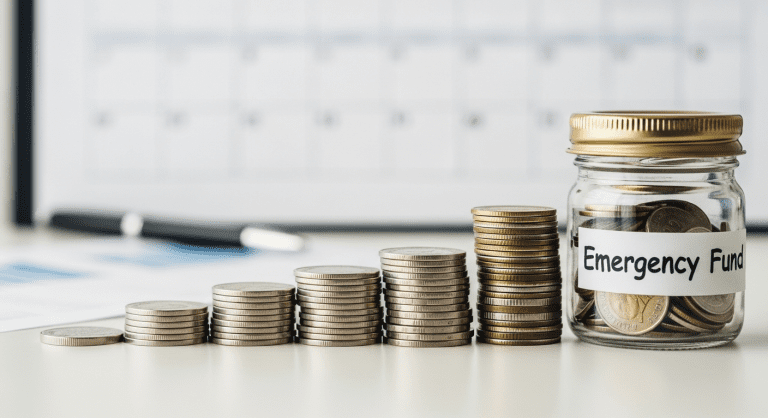

Ultimate Guide to Building a Robust Emergency Fund for Young Adults in the USA
In today’s unpredictable economy, **establishing an emergency fund** is more vital than ever, especially for young adults navigating their financial independence. Whether you’re starting your career or managing student loans, having a financial safety net can make all the difference. This comprehensive guide will show you how to **build a solid emergency fund** efficiently, ensuring peace of mind amidst financial uncertainties.
Why Is an Emergency Fund Essential for Young Adults?
An **emergency fund** acts as a financial buffer covering unexpected expenses such as medical emergencies, car repairs, or sudden job loss. For young adults in the USA, it’s not just about saving—it’s about creating a safety net that supports long-term financial stability and reduces reliance on high-interest debt.
How Much Should You Save for Your Emergency Fund?
Experts recommend saving **3 to 6 months’ worth of living expenses**. For example, if your monthly expenses total $2,000, aim for between $6,000 and $12,000. This amount ensures you can cover essentials like rent, groceries, utilities, and transportation during any job disruptions.
Step-by-Step Strategy to Build Your Emergency Fund
1. Assess Your Monthly Expenses
- Track all fixed costs: rent, utilities, insurance
- Include variable costs: groceries, transport, subscriptions
- Determine the minimum amount needed monthly
2. Set a Realistic Savings Goal
Start with a **small, achievable target** like $1,000**—then scale up to your 3-6 months’ expenses goal.
3. Create a Dedicated Savings Account
Choose a high-yield savings account separate from your daily banking account to avoid temptation and accrue interest faster. For example, consider accounts with no fees and flexible withdrawal options.
4. Automate Your Savings
- Set up automatic transfers from your paycheck or checking account
- Start with at least 10% of your income if possible
- Adjust transfers as your income grows or expenses change
5. Cut Unnecessary Expenses
Identify and reduce non-essential spending, such as dining out, subscriptions, or shopping. Redirect these funds into your emergency savings.
6. Increase Savings Over Time
Whenever possible, boost your savings by bonuses, side hustles, or tax refunds. Use these to accelerate reaching your goal.
Common Mistakes to Avoid When Building Your Emergency Fund
- Not setting a target amount
- Using your emergency fund for non-emergencies
- Neglecting to replenish fund after use
- Keeping funds in accounts with low interest or high fees
Tools and Resources to Help You Save
- Emergency fund building guide
- Budgeting apps like Mint or YNAB
- High-yield savings accounts such as Ally, Marcus, or Capital One
FAQs About Emergency Funds for Young Adults
Q1: How fast can I build a $3,000 emergency fund?
Depending on your savings rate, it typically takes 6-12 months if you save $250 monthly. Increase savings by cutting expenses or earning extra income.
Q2: Can I include an emergency fund in my retirement savings?
No. An emergency fund is separate, intended for short-term unexpected costs, while retirement accounts are long-term investments.
Q3: Should I keep my emergency fund in cash or investments?
Cash in a savings account is recommended for quick access. Investments are riskier and less liquid, making them unsuitable for immediate needs.
Q4: When should I replenish my emergency fund after use?
As soon as possible. Ideally, replenish it fully to maintain your safety net, especially if you’ve used funds for unexpected expenses.
Q5: Is it necessary to have an emergency fund if I have insurance?
Yes. Insurance helps cover certain emergencies, but an emergency fund provides immediate access for costs insurance may not cover or deductibles.
Conclusion: Take Action Today to Secure Your Financial Future
Building an emergency fund is a **crucial step** toward financial independence for young adults in the USA. By assessing your expenses, setting achievable goals, automating savings, and avoiding common pitfalls, you can create a reliable safety net. Remember, **consistency is key**—start small, stay committed, and watch your emergency fund grow.
Key Takeaways
- Aim for 3–6 months’ worth of expenses
- Use high-yield savings accounts for better interest
- Automate your savings to stay disciplined
- Cut unnecessary expenses and increase savings gradually
Ready to get started? For more detailed strategies, visit our comprehensive guide. Building your emergency fund today secures your financial tomorrow!
Learn more about minimalist habits to optimize your savings and lifestyle or explore personal growth tips to boost financial discipline.




0 Comments