


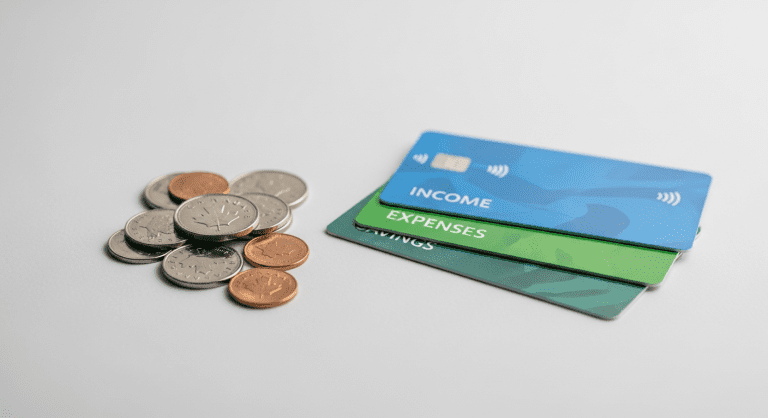

Simple Budgeting for Young Adults in Canada: 7 Steps to Own Your Money
Managing your finances can feel overwhelming, especially in your twenties or early thirties. This guide on simple budgeting for young adults in Canada provides you with actionable steps to take control of your money, reduce stress, and start building a secure financial future. Whether you’re just beginning your career or looking to improve your money habits, this post matches the informational search intent to help you develop a clear and effective budget that works in the context of Canadian expenses and lifestyle.
Why Budgeting Matters for Young Adults in Canada
Budgeting is the foundation of strong financial health. It helps you track where your money goes, prioritize spending, save for goals, and avoid debt traps. For Canadians aged 23-30, who often face challenges like student loans, rising rent, and cost of living hikes, a well-structured budget is a must-have tool.
- Gain clarity on your income and expenses.
- Prevent overspending and reduce debt risk.
- Build savings for emergencies, travel, or homeownership.
- Improve financial confidence and long-term planning.
7 Steps for Simple Budgeting in Canada
1. Calculate Your Monthly Income
Start by determining your total monthly income. Include your salary after taxes, government benefits (e.g., Canada Child Benefit, GST/HST credits), freelance income, or side hustle earnings. Use your net income because that’s the actual amount you have available to spend and save.
2. Track Your Expenses Meticulously
Keep a record of every expense for at least 30 days. Categorize into essentials (rent, utilities, groceries), non-essentials (dining out, entertainment), and debt payments. Use apps like Mint or You Need A Budget to ease tracking and identify patterns.
3. Set Realistic Spending Limits
Apply the 50/30/20 budgeting rule: 50% for needs, 30% for wants, and 20% to savings or debt repayment. Tailor these percentages if needed to fit your financial situation. For example, if you’re aggressively paying off student loans, allocate more than 20% to debt.
4. Prioritize Emergency Fund Building
An emergency fund should cover 3-6 months of basic expenses. This fund protects you from unexpected costs like medical bills or job loss. Open a high-yield savings account, such as a Tax-Free Savings Account (TFSA), where your money can grow tax-free.
5. Identify and Cut Unnecessary Expenses
Review your spending to find areas to save. This might include subscriptions you rarely use, expensive coffee purchases, or frequent dining out. Simple changes like brewing your coffee at home or cooking more meals can save you hundreds of dollars a month.
6. Automate Savings and Bill Payments
Automation helps maintain discipline. Set automatic transfers to your savings and automatic bill payments to avoid late fees and stay on track with your budget goals. Many Canadian banks offer easy setup for this feature.
7. Review and Adjust Your Budget Monthly
Your financial situation and priorities evolve, so revisit your budget at least once a month. Make adjustments based on changes in income, expenses, or goals. This keeps your budget realistic and effective.
Common Budgeting Mistakes Young Canadians Should Avoid
- Ignoring irregular expenses: Account for annual payments like insurance and taxes.
- Setting unrealistic limits: Overly strict budgets cause burnout.
- Neglecting debt: Prioritize paying down high-interest debts.
- Not factoring in inflation: Canada’s inflation rate affects purchasing power.
People Also Ask (PAA) About Budgeting for Young Adults in Canada
How much should a young adult save in Canada?
Young adults should aim to save at least 20% of their income monthly, focusing first on building an emergency fund with 3-6 months’ worth of expenses.
What is the best budgeting app for Canadians?
Popular options include Mint, YNAB (You Need A Budget), and Canadian-specific apps like KOHO that account for local banking and rewards.
How can I budget on a low income in Canada?
Prioritize essential expenses, reduce discretionary spending, seek government benefits, and consider side hustles for additional income.
Is it better to pay off debt or save first?
For most, start with a small emergency fund, then focus on paying high-interest debt while saving simultaneously.
Additional Tips to Maximize Your Budget
- Leverage Canadian tax credits: Use resources from the Canada Revenue Agency to reduce tax burden.
- Shop smart: Buy seasonal produce, use loyalty programs, and compare prices before making purchases.
- Plan for big expenses: Holidays, back-to-school supplies, and car repairs can disrupt budgets if unplanned.
Conclusion: Take Charge of Your Finances Today
Simple budgeting tailored for young adults in Canada is your roadmap to financial freedom. By understanding your income, tracking spending, and making intentional choices, you own your money instead of letting it control you. Start with these 7 practical steps, avoid common pitfalls, and regularly adjust your plan. This approach will build confidence, reduce money stress, and prepare you for a secure future no matter what life throws your way.
Actionable Takeaways
- Use a budgeting app to track all income and expenses for a month.
- Set realistic spending targets based on the 50/30/20 rule.
- Automate savings to build an emergency fund gradually.
- Review and modify your budget monthly to stay aligned with your goals.
- Avoid common mistakes like ignoring irregular expenses or neglecting debt.




0 Comments