



Trump Greenland Tariffs: What You Need to Know About the 2026 U.S.-Europe Trade & Security Dispute
U.S. President Donald Trump has ignited a major geopolitical and economic storm by imposing sweeping tariffs on goods imported from Denmark, the UK, France, Germany, and other European countries. Starting February 1, 2026, a 10% tariff on “any and all goods” from these countries will take effect, escalating to 25% on June 1 unless Denmark agrees to sell Greenland to the United States. This unexpected move is framed by Trump as essential for both national and global security.
In this detailed guide, we’ll explain the why, how, and what behind the Trump Greenland tariffs, their political and economic implications, the protests they have sparked in Denmark and Greenland, and what this means for Arctic geopolitics and broader U.S.-Europe relations as we move into 2026.
Understanding the Trump Greenland Tariffs and Their Timeline
Trump’s tariffs target the full spectrum of goods from several key European nations. Here’s the timeline and scale:
- February 1, 2026: 10% tariff applied to all imports from Denmark, UK, France, Germany, and other European allies.
- June 1, 2026: Tariffs escalate to 25% if Denmark refuses to agree to sell Greenland to the U.S.
This bold ultimatum revives Trump’s 2019 bid for Greenland but introduces real economic pressure using tariffs as leverage. The tariffs risk deepening the transatlantic rift and unsettles NATO alliances, given the historical partnership between these nations.
Why Greenland? The Strategic Significance Behind Trump’s Demand
Greenland is not just a remote island but a geostrategic prize packed with resources and military value.
Key Reasons for U.S. Interest:
- Arctic Security: Greenland’s location is critical for missile defense systems protecting the U.S. mainland against threats from Russia and China.
- Natural Resources: The island is rich in minerals, rare earth elements, and other resources vital for technology and defense industries.
- Geopolitical Control: Securing control over Greenland limits Russian and Chinese influence in the Arctic and underpins U.S. dominance in this increasingly contested region.
Trump’s administration argues that Denmark’s current defense capabilities around Greenland are inadequate to counter the growing Russian and Chinese presence, making the island’s ownership a matter of “Global Peace and Security.” Historically, the U.S. has pursued Greenland before, with President Truman offering $100 million in 1946 to buy the island — an offer Denmark declined. This renewed push escalates the stakes significantly.
European and Greenlandic Reactions: Protests and Political Criticism
The tariffs and Greenland purchase threat have sparked widespread protests and political backlash.
Protests:
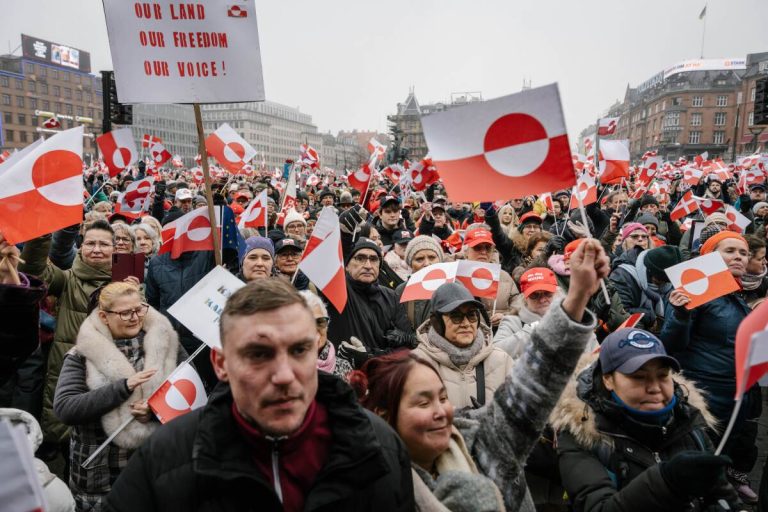
- On January 17, 2026, thousands rallied in Copenhagen and Greenland chanting slogans like “Hands off Greenland.”
- These protests are mainly organized by Greenlandic advocacy groups and Denmark-based NGOs such as ActionAid Denmark, emphasizing self-determination and sovereignty.
Political Responses:
- A bipartisan U.S. delegation led by Senator Chris Coons visited Greenland during this period, engaging with local leaders and communities.
- Coons criticized Trump’s “tempo of statements” as unproductive and disrespectful to Greenland’s indigenous peoples, highlighting their harsh living conditions and unique cultural identity.
- European leaders have expressed concerns that such economic aggression could destabilize long-standing alliances and trade relations.
These reactions underscore the tension between U.S. strategic interests and the rights of Greenland’s people to self-determination and independence.
Key Terms and Keywords Related to Trump Greenland Tariffs
For SEO and search intent purposes, the core and supporting keywords for readers and content strategists include:
- Primary Keyword: Trump Greenland tariffs
- Secondary Keywords: tariffs on Denmark 2026, U.S. Greenland purchase, Arctic security tariffs, Europe trade war Trump
- Long-tail Keywords:
- Trump imposes tariffs on Denmark over Greenland purchase
- Protests in Denmark against Trump Greenland takeover threats
- US tariffs on Europe escalate Greenland national security dispute
- LSI Keywords: Arctic geopolitics, missile defense Greenland, U.S.-Europe trade conflict, Trump trade policy 2026, Denmark self-determination, Greenland natural resources
How Tariffs as Economic Leverage Impact Trade and Global Alliances
Using tariffs to pressure a sovereign sale is unprecedented.
Potential Impacts Include:
- European Economies: The tariffs affect a broad range of exports, threatening sectors like automotive, aerospace, food products, and technology.
- NATO Relations: Undermining Denmark and allies compromises NATO cohesion at a time when unity against Russia and China is vital.
- Global Trade Norms: Using trade tariffs to demand territorial concessions raises alarms about international law and sovereignty respect.
Experts warn this trade dispute could escalate into broader economic and diplomatic confrontation beyond the Arctic.
Frequently Asked Questions (FAQs)
Q1: Why is the U.S. interested in buying Greenland?
The U.S. views Greenland as a strategic Arctic location essential for missile defense, natural resources, and limiting Russian and Chinese influence.
Q2: What are the Trump Greenland tariffs?
They are tariffs imposed on all goods from Denmark and other European countries starting at 10% on February 1, 2026, going up to 25% if Greenland is not sold to the U.S.
Q3: How are Danish and Greenlandic people reacting?
Thousands protested in Copenhagen and Greenland, demanding respect for Greenland’s sovereignty and condemning U.S. pressure as aggressive.
Q4: What are the economic effects of these tariffs?
The tariffs threaten to disrupt trade, raise costs for European exporters, and create uncertainty in an already fragile global economic environment.
Q5: Could Greenland become U.S. territory?
While Trump insists on negotiations, any transfer would require complex political and legal agreements respecting Greenland’s autonomy and Denmark’s sovereignty.
Conclusion: What’s Next in the Trump Greenland Tariffs Saga?
The Trump Greenland tariffs mark a significant escalation in U.S. trade and geopolitical strategy. With tariffs set to jump from 10% to 25% if Greenland is not sold, Europe faces tough economic choices amid protests and political backlash. Greenland’s status has become a flashpoint in Arctic security, international sovereignty, and U.S.-Europe relations.
Whether negotiations will succeed or if the tariffs will spiral into a prolonged trade war remains uncertain. One thing is clear: the world is watching closely as this crisis unfolds at the intersection of trade, security, and diplomacy.
Actionable Takeaways:
- Follow tariffs developments closely for market and supply chain impacts, especially in affected industries.
- Track political developments in Denmark and Greenland to understand their positions on sovereignty and negotiations.
- Watch Arctic geopolitics as Russia and China respond to heightened U.S. pressure.
- Stay updated on NATO’s stance and European Union diplomatic responses to potential alliance disruptions.
For readers interested in geopolitics, trade wars, and Arctic strategy, this is an evolving story with high stakes and broad global consequences.
Relevant External Resources
- Protests in Denmark against Trump Greenland takeover threats
- Video explaining U.S. Greenland strategic interests
- Analysis of Arctic geopolitics and U.S. policy




0 Comments