


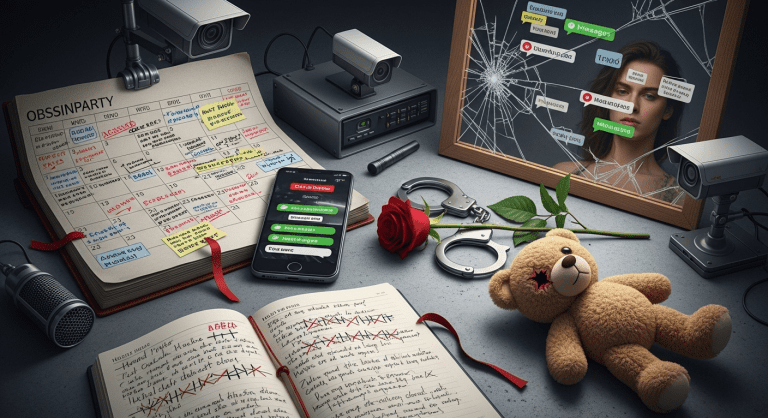

Warning Signs of a Psycho Girlfriend: How to Recognize and Protect Yourself
Dealing with a partner who exhibits controlling or obsessive behavior can be emotionally draining and confusing. Recognizing the warning signs of a “psycho girlfriend” is crucial to maintaining your mental health and personal boundaries. In this comprehensive guide, we’ll explore the key indicators that may suggest your girlfriend has unhealthy traits and provide actionable advice on how to handle the situation effectively.
Understanding What Makes a Girlfriend “Psycho”
Before diving into the specific signs, it’s important to clarify that these behaviors often stem from insecurities, past trauma, or mental health issues. While some actions are inappropriate and require intervention, compassion and understanding should guide your approach. However, knowing the warning signs helps you protect your well-being and make informed decisions.
Common Warning Signs of a Psycho Girlfriend
1. Extreme Clinginess and Neediness
If your girlfriend constantly seeks reassurance, demands to be around you 24/7, or becomes upset when you spend time with friends or family, it’s a sign of excessive neediness. Healthy relationships allow space for individuality and independence.
2. Invasion of Privacy
Reading your texts, emails, or social media without permission, or insisting on access to your personal devices, indicates a lack of trust and respect for boundaries. Such behavior can escalate from insecurity to controlling tendencies.
3. Disrespect for Boundaries
Ignoring your limits, whether emotional, physical, or social, suggests a disregard for your feelings and autonomy. Examples include pressuring you into uncomfortable situations or not accepting “no” as an answer.
4. Manipulative Tactics
Subtle manipulation might involve guilt-tripping, emotional blackmail, or exaggerating issues to get her way. This often aims to control your decisions and undermine your confidence.
5. Disbelief or Misdirection
If she dismisses your explanations or accuses you of lying without basis, it could be a sign of paranoia or possessiveness. Innocent actions might be misinterpreted to justify her suspicions.
6. Jealousy and Possessiveness
Over-the-top jealousy, accusing you of cheating, or demanding constant reassurance about her importance are common signs of possessiveness that can escalate into toxicity.
7. Unwillingness to Let You Have a Life Outside the Relationship
A partner who discourages or forbids you from spending time with friends or pursuing personal interests is controlling and may have underlying insecurity issues.
Why These Behaviors Are Harmful
Such behaviors may start small but tend to grow if unaddressed. They can erode your self-esteem, create anxiety, and foster an unhealthy relationship dynamic. Recognizing these signs early empowers you to establish boundaries or consider ending the relationship if necessary.
How to Handle a Psycho Girlfriend
1. Set Clear Boundaries
Communicate your limits assertively and consistently. For example, specify that reading your texts without permission is unacceptable.
2. Maintain Your Independence
Pursue hobbies, spend time with friends, and prioritize self-care to reinforce your personal boundaries and reduce dependency.
3. Seek Support
Talk to trusted friends, family, or a mental health professional about your situation. External perspectives can provide clarity and guidance.
4. Avoid Engaging in Manipulative Games
Stay calm and avoid responding to guilt trips or emotional blackmail. Firmly stick to your boundaries.
5. Know When to Walk Away
If her behavior becomes abusive, threatening, or uncontrollable despite your efforts, consider ending the relationship to protect your well-being. Remember, no relationship is worth compromising your safety and peace of mind.
External Resources for Support
If you’re experiencing emotional or psychological abuse, professional help can be invaluable. Resources like The National Domestic Violence Hotline provide support and guidance for victims of abusive relationships.
Preventative Tips for Healthy Relationships
- Establish trust and open communication early.
- Respect each other’s independence and personal space.
- Address conflicts calmly and constructively.
- Recognize and address red flags promptly.
- Seek help if behaviors escalate or become abusive.
FAQs About Recognizing and Dealing with a Psycho Girlfriend
Q1: How do I know if my girlfriend’s jealousy is normal or excessive?
Normal jealousy is occasional and doesn’t interfere with your daily life or relationships. Excessive jealousy involves constant suspicion, accusations, and controlling behaviors, which are red flags.
Q2: Can someone with mental health issues be dangerous in a relationship?
Not all individuals with mental health challenges pose a threat. However, untreated conditions like personality disorders or severe paranoia may lead to problematic behaviors. Professional help can often assist in managing these issues.
Q3: What should I do if my partner becomes physically or emotionally abusive?
Prioritize your safety. Seek help from authorities or support organizations immediately. Consider leaving the relationship and consulting with mental health professionals or counselors.
Q4: Is it possible for her to change her behavior?
Change is possible if she recognizes her issues and seeks professional help. However, your safety and well-being should always come first; don’t wait indefinitely for change if the behavior remains harmful.
Q5: How can I rebuild trust after a misunderstanding?
Open, honest communication and consistent actions demonstrating reliability are essential. However, if trust has been deeply damaged, re-establishing it takes time and effort from both partners.
Conclusion
Recognizing the warning signs of a psycho girlfriend is vital for maintaining your mental health and personal integrity. While every relationship has its challenges, persistent controlling, manipulative, or disrespectful behaviors demand attention and action. By setting boundaries, seeking support, and trusting your instincts, you can safeguard yourself from emotionally damaging situations. Remember, healthy relationships are built on respect, trust, and mutual understanding—anything less is a red flag you shouldn’t ignore.
For more insights on building healthy relationships and understanding relationship dynamics, visit this resource or explore our guide on relationship improvement.




0 Comments