


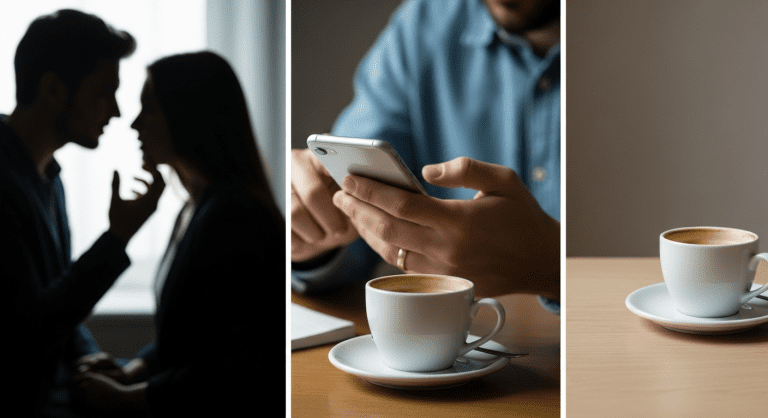

How to Spot a Cheating Spouse: Signs of Infidelity You Should Know
If you’re worried about your partner’s fidelity, understanding the common signs of a cheating spouse can help you gain clarity and take appropriate action. Recognizing these signs early can make a difference in addressing underlying issues or confirming your suspicions. In this comprehensive guide, we explore the most telltale signs of infidelity, backed by expert insights and real-world examples.
Understanding the Signs of a Cheating Spouse
Infidelity leaves emotional, behavioral, and practical footprints. While no single sign confirms cheating, a combination of these behaviors could indicate that your partner is unfaithful. Being observant and attentive to these signals is crucial to safeguarding your relationship and emotional well-being.
Behavioral Changes as a Key Indicator
Sudden Secrets or Secrecy
One of the most obvious signs is when your partner starts to become overly secretive, especially about their phone or online activity. If they’re guarding their devices, deleting messages, or suddenly hesitant to share their phone, it warrants a closer look. Learn indicators of secretive behavior here.
Changes in Communication Patterns
Noticeable shifts—such as less communication, evasiveness, or a lack of emotional openness—can be red flags. If your partner is disinterested in sharing daily details or seems distracted when talking, it might be related to infidelity. Conversely, secretive texting or increased phone activity can be signs of emotional or physical cheating.
Alterations in Schedule and Routine
Frequent unexplained absences, late nights, or last-minute plans without legitimate explanations often point to dishonesty. If your partner’s schedule suddenly seems inconsistent or they’re avoiding your questions about their whereabouts, it’s worth investigating further.
Intimacy and Affection Changes
Decline or Surge in Physical Intimacy
either a sudden decrease or increase in intimate interactions can signal underlying issues. A partner who suddenly becomes less affectionate may be emotionally disengaged or developing interest elsewhere. Conversely, an increase might be a compensatory behavior or attempt to hide guilt.
Emotional Distance and Detachment
If your partner seems emotionally detached or less responsive to your needs and feelings, it could be a sign they’re investing emotionally outside the relationship. Emotional distancing is often a precursor to physical infidelity.
External Clues and Red Flags
- Unexplained expenses: Secret purchases or increased credit card activity with no explanation.
- Appearance and grooming: Sudden obsession with looks and personal grooming.
- Phone and social media behavior: Frequent deleting of messages, new social media profiles, or secretive online activity.
- Friends’ behaviors: Friends acting strangely or avoiding discussions about your partner can sometimes be connected to infidelity.
How to Confront Your Partner About Suspected Infidelity
If you notice multiple signs, approaching your partner with care is essential. Avoid accusations; instead, express your feelings and concerns calmly. Remember, open communication is vital for resolving misunderstandings or confirming suspicions.
Recommend seeking couple’s counseling if trust issues persist. Sometimes, professional guidance can provide clarity and help both partners navigate complex feelings.
FAQs about Recognizing a Cheating Spouse
Q1: Can mood swings indicate infidelity?
Yes, sudden mood swings or irritability can sometimes be linked to guilt or emotional distress caused by infidelity. However, they can also stem from other issues like stress or health concerns.
Q2: What should I do if I suspect my spouse is cheating?
Gather evidence carefully and calmly communicate your concerns. Avoid jumping to conclusions. Consider seeking advice from a counselor or therapist to navigate the situation effectively.
Q3: Are there reliable ways to prove infidelity?
Consulting a private investigator or using discreet methods can sometimes provide proof. However, focus on open dialogue and trust-building efforts first before resorting to invasive tactics.
Conclusion: Protect Your Peace by Being Informed
Recognizing the signs of a cheating spouse involves a mix of observation, intuition, and patience. While these indicators can guide you, they are not definitive proof of infidelity. Maintaining open communication, building trust, and seeking professional support when needed are crucial steps to handle suspected betrayal healthily and constructively.
Remember, addressing relationship issues with sensitivity and clarity can often lead to stronger bonds or healthy closure. Stay vigilant, but also prioritize your emotional health and well-being.
For more insights on relationships and emotional wellness, explore tips for building a healthy relationship or strategic ways to improve your emotional intelligence.




0 Comments