


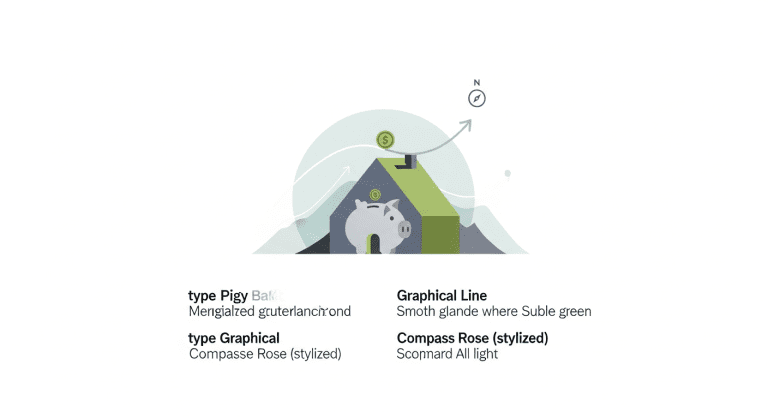

How to Build an Emergency Fund: Step-by-Step Guide for Young Adults in Iceland (2025)
Want to avoid financial stress and sleep better at night? An emergency fund is your financial safety net—especially for young adults in Iceland, where living costs and economic surprises can hit hard. In 2025, building an emergency fund is essential for financial security and peace of mind. This practical guide will help you set aside cash for the unexpected—even if you’re just starting your career or still in university.
What Is an Emergency Fund, and Why Does Every Young Icelander Need One?
An emergency fund is money you’ve set aside to cover life’s unforeseen expenses, from job loss to medical bills or urgent home repairs. In Iceland, where weather and economic shifts can cause sudden costs, a well-funded buffer is more than just good advice—it’s smart financial planning.
- Prevents new debt from surprise bills
- Provides relief from financial anxiety
- Helps you stay on top of critical expenses without panic
- Keeps your goals—like travel, homeownership, or investing—on track
Learn more about essential personal finance strategies for young adults in our 2025 Consumer Finance Trends Guide.
How Much Should Young Adults in Iceland Save for Emergencies?
The most common rule: Save enough to cover 3–6 months of essential expenses. But as a young adult in Iceland, your target can vary:
- Students or part-time workers: Aim for one month’s living costs to start
- Full-time employees: 3–6 months is ideal—this covers rent, food, bills, and transportation
- Entrepreneurs or freelancers: Consider saving up to 9 months’ expenses for extra security
Calculate your monthly total for:
- Rent (or mortgage payments)
- Utilities & phone/internet
- Food and transportation
- Insurance premiums
- Loan payments
- Healthcare
Step-by-Step: How to Build an Emergency Fund in Iceland (2025)
1. Open a Separate, High-Interest Savings Account
Keep your emergency savings truly separate from daily spending. In Iceland, many banks offer online accounts with competitive rates—compare Íslandsbanki, Landsbankinn, and Arion Banki options. See Landsbankinn savings account details.
- Pick an account with easy access (not locked, but not tempting to spend)
- Look for accounts with no monthly fees
- Automate transfers (direct deposit or standing order)
2. Set a Realistic Monthly Saving Goal
Don’t try to save everything at once. Start small, with an amount you can maintain each month. Most Icelanders find that 5-10% of take-home pay is manageable at first. Use a budgeting app or bank tool to track progress.
3. Automate Your Savings
Set it and forget it! Schedule a recurring transfer to your emergency fund right after payday. This removes the temptation to spend extra cash—and helps you build momentum automatically.
4. Boost Savings with Extra Cash
If you get a bonus, tax refund, or cash gift, consider directing some (or all) of it to your emergency savings. Even a small windfall can give your fund a quick, powerful boost.
5. Cut Back on Non-Essentials Where Possible
- Pause subscriptions you aren’t using
- Buy groceries in bulk or on sale
- Reduce takeaway meals or coffee runs
- Use public transport or bike to save on gas
For more on mastering smart money habits, check out the Simple Budgeting for Young Adults guide.
6. Revisit and Adjust as Your Life Changes
Increase your savings target as your salary or living situation changes. Check your emergency fund goal every 6 months—especially after moving, changing jobs, or starting a family.
Where Should You Keep Your Emergency Fund?
- Separate savings account (most popular in Iceland)
- Money market or instant-access accounts for higher rates
- Avoid investing your emergency fund in stocks or real estate—you need instant access and zero risk
For a deeper dive on building resilient personal finance systems, visit our post on how to build an emergency fund step by step.
Common Mistakes to Avoid When Building an Emergency Fund
- Mixing savings and everyday spending in the same account
- Raiding the fund for non-emergencies (e.g., holidays or new phones)
- Setting an unrealistic savings target—then getting discouraged
- Ignoring inflation—revisit and top up your fund every year
FAQ: Emergency Fund for Young Adults in Iceland
How fast should I build my emergency fund?
Aim to reach one month’s expenses in the next 3–6 months. Afterward, increase your goal gradually. The most important part is building the habit, not rushing the process.
Can I use a digital bank for my emergency fund in Iceland?
Yes! Many young Icelanders use digital banks or online savings options for higher interest and better control. Just ensure the bank is reputable and your funds are protected.
What counts as a “real emergency” for using these savings?
- Job loss or sudden drop in income
- Unexpected medical or dental expense
- Critical car repair necessary for work or daily life
- Urgent housing repairs
Non-emergencies: holidays, tech upgrades, or planned shopping sprees.
How do I rebuild my fund after using it?
Resume your automatic contributions and add any windfalls you can. Temporarily reduce other non-essential spending until the fund is back to your target.
Should I invest my emergency fund for higher returns?
No. Safety and liquidity matter more than extra returns. Your emergency fund should always be in cash or a high-access savings account—no risk, no delays.
Essential Tools & Resources for Icelandic Young Adults
- Central Bank of Iceland – for savings rate updates and policy news
- Nordea Personal Savings – Nordic provider overview
- US Consumer Finance Guide (general advice also applies in Iceland)
Conclusion: Take Action Today for Financial Peace of Mind
Building an emergency fund is one of the smartest money moves you can make as a young adult in Iceland in 2025. Start small, be consistent, and automate your savings. Your future self will thank you the next time life throws a curveball your way.
Takeaways
- Open a dedicated emergency savings account—separate from your spending money
- Start with a small, realistic goal, then build up to 3–6 months’ expenses
- Automate your savings and revisit your fund every year or after life changes
- Never invest your emergency fund in risky assets
- Only use the fund for real emergencies
Ready to step up your financial game? Explore more expert tips in our Smart Money Guide for Young Adults and get inspired with simple budgeting strategies just for you.




0 Comments